
Trichotillomania Support in South Dakota
Find a therapist in South Dakota who understands trichotillomania. Whether you pull your own hair or you’re supporting a child or someone you love, search by city or town, from Sioux Falls to Rapid City, for someone near you, or choose Online to see who works with people anywhere in South Dakota.
Find a therapist for trichotillomania in South Dakota
South Dakota had only about 150 psychologists in 2023, roughly one for every 6,000 people. Its two biggest cities, Sioux Falls and Rapid City, sit about 350 miles apart. Connecting you with people who already understand hair pulling, in person or online, is the reason this directory exists.
The directory includes therapists, counselors, psychologists, hypnotherapists, EFT practitioners, NLP practitioners and coaches. Every listing explains how that person works, whether they see people in person, online or both, and what they charge. Each one has a private contact form. New people join regularly.
If you live on a ranch west of the river or in a small prairie town, you can see who works online across South Dakota.
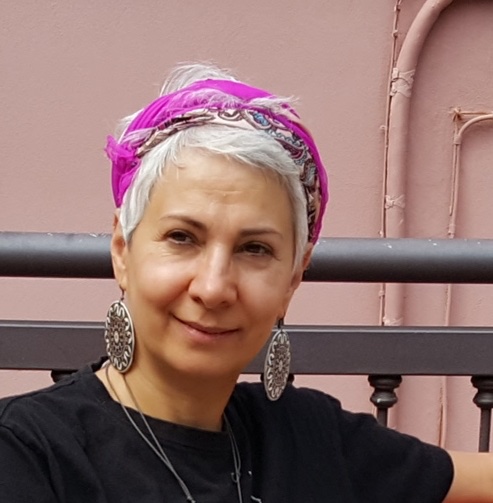
Maryam Forozmand
Jungian Analyst
Vienna, Virginia
Works with: adultsFrom $175View profile →
Adria Hagg
CBT Therapist (LMSW, LCSW)
Northville, Michigan
Works with: adultsFrom $185View profile →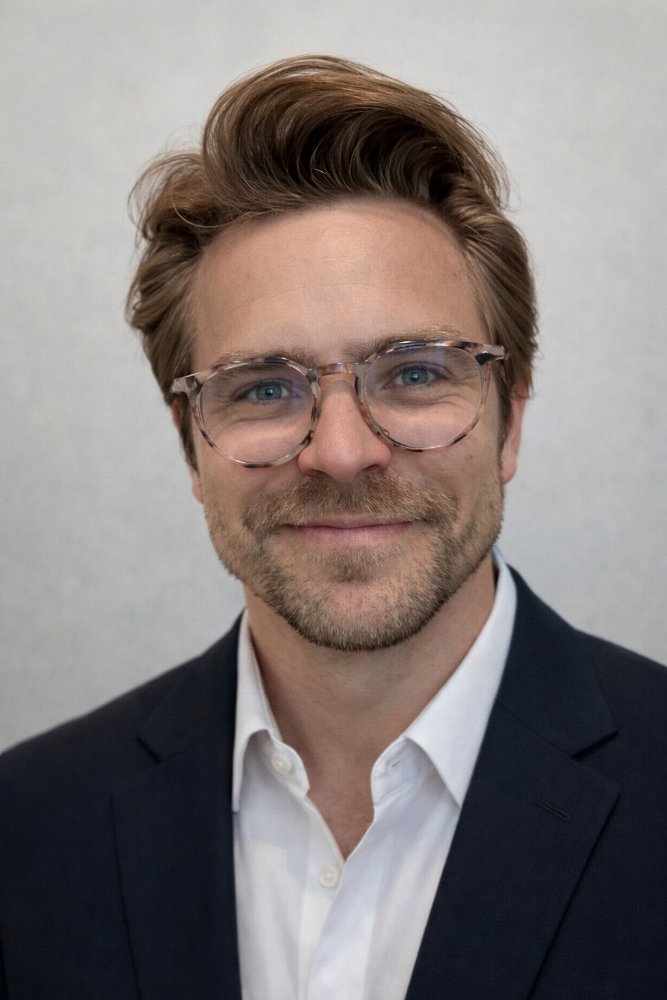
Trent Uthe
Psychotherapist (LCSW, LAC, QMHP)
Sioux Falls, South Dakota
Works with: adultsFrom $250View profile →- More practitioners are being added — see online options
Frequently Asked Questions about Trichotillomania in South Dakota
Find a TherapistHow do I find a trichotillomania therapist near me in South Dakota?›
Search the directory by town or city. In-person options are mostly in Sioux Falls, with others in Rapid City, Aberdeen, Brookings and Watertown. Everyone listed has told us they understand hair pulling, and each listing shows how they work, what they charge and how to get in touch.
Can I have sessions online from anywhere in South Dakota?›
Yes. Online sessions work anywhere with a steady internet connection. Psychologists in other member states can work with you online. Most counselors still need a South Dakota license. Hypnotherapists, EFT practitioners and coaches don’t. Choose Online in the search to see who works with people in South Dakota.
How much does trichotillomania therapy cost in South Dakota?›
Most private sessions in South Dakota cost $120 to $200. Every listing shows its own prices. Some insurance plans pay part of the cost for some types of practitioner, and many people offer a free first call.
What kinds of help are there for hair pulling in South Dakota?›
People work with therapists, counselors, psychologists, hypnotherapists, EFT practitioners, NLP practitioners and coaches. Different people find different things helpful. What everyone in this directory has in common is that they understand hair pulling.
Do I need a doctor’s note or a diagnosis to get help in South Dakota?›
No. You can contact anyone listed in our directory directly, without a doctor’s note or a diagnosis. Just tell them you pull your hair and you’re looking for someone who understands trichotillomania.
My child pulls their hair. What do I do first?›
Stay steady and don’t tell them off, because pressure and punishment reliably make pulling worse. Start with The Parent’s Guide to Trichotillomania, then look for someone whose listing says they work with children and teens.
Are there trichotillomania support groups in South Dakota?›
We haven’t found an in-person group in South Dakota yet. South Dakotans can join online groups through the International OCD Foundation’s listings and BFRB Changemakers. NAMI also runs free online groups for general mental health support. If you run a group, tell us and we’ll list it.
How common is hair pulling in South Dakota?›
About 1 in 50 people have trichotillomania, so around 18,000 South Dakotans. It often starts between ages 10 and 13, and most people who pull have never knowingly met someone else who does. Learn more in our complete guide to trichotillomania.
How to get in touch with a therapist
You can contact anyone listed right now. You don’t need a doctor’s note or a diagnosis.
When you write, say what it is: “I pull my hair. I’m looking for someone who understands trichotillomania.” Their reply tells you a lot about whether they’re the right fit.
In person, most options are in Sioux Falls, with smaller clusters in Rapid City, Aberdeen, Brookings and Watertown. In central South Dakota, on the reservations and across West River ranch country, the nearest practitioner may be hours away. Online sessions save that drive, and a blizzard on I-90 won’t cancel them.
South Dakota has joined an agreement that lets licensed psychologists from other member states work with you online. It has also joined a matching agreement for counselors, but that isn’t up and running here yet. Hypnotherapists, EFT practitioners and coaches aren’t bound by these licensing rules.
You can also start through your insurance, South Dakota Medicaid or one of the state’s 11 community mental health centers. That route exists, but it often takes longer.
How to choose who to work with
People who pull find help from many kinds of practitioners: therapists, counselors, psychologists, hypnotherapists, EFT practitioners, NLP practitioners and coaches. Different people find different things helpful. What matters most to many people is feeling understood.
If you’d like to check a licensed clinician, South Dakota’s boards make it free. The Board of Examiners of Psychologists has a name search for psychologists. The Board of Examiners for Counselors and Marriage and Family Therapists covers counselors (LPC and LPC-MH) and marriage and family therapists. “Psychologist” is a protected title in South Dakota. Many other good kinds of help, like hypnotherapy, EFT and coaching, aren’t licensed by the state. They have their own professional associations instead.
Everyone on this site has one thing in common: they’ve told us they understand hair pulling. On a first call, you can ask:
- Have you helped people who pull their hair before?
- How do you work? What happens in the first few sessions?
- What if I feel it isn’t right for me?
Charities and groups in South Dakota
South Dakota has no charity just for hair pulling or other body-focused repetitive behaviors (BFRBs). These organizations can still help, and all of them work statewide or online.
International OCD Foundation (IOCDF)
The main US home for BFRB support, including trichotillomania. Its Find Help directory lists hair pulling support groups, many of which meet online.
BFRB Changemakers
A US nonprofit focused on hair pulling, skin picking and related behaviors. It runs free online peer groups for adults each month.
NAMI South Dakota
The state branch of the National Alliance on Mental Illness. It shares mental health information for South Dakotans and points people to NAMI’s free online support groups. Those groups aren’t about hair pulling, but they welcome anyone.
Helpline Center
A Sioux Falls nonprofit that has served South Dakota since 1974. It answers 211 for the whole state. Dial 2-1-1 to find local services, or just to talk.
988 Suicide & Crisis Lifeline
If things ever feel too much to handle on your own, call or text 988, any time. In South Dakota, the Helpline Center answers these calls.
Support groups in South Dakota
We haven’t found an in-person trichotillomania group in South Dakota yet. Most South Dakotans who pull connect with others online, and for something this private, many find that easier.
- IOCDF hair pulling groups: the IOCDF’s Find Help directory lists groups for people who pull, many meeting by video. Western South Dakota runs on Mountain time, so check each group’s start time against yours.
- BFRB Changemakers: free monthly online peer groups for adults who pull or pick.
- NAMI online groups: free peer groups for general mental health support, open to South Dakotans.
For parents: The Parent’s Guide to Trichotillomania helps you understand what your child is going through.
Do you run a South Dakota group? Tell us and we’ll list it for free.
Understanding hair pulling: focused and automatic pulling
Not all pulling looks the same. People often describe two kinds, and many experience both.
Automatic pulling happens without much notice. A hand drifts to the scalp, brows or lashes while you read, watch TV, study or drive. You may only realize later, when you see hairs on the desk or the car seat. On a long drive across the prairie, it can happen mile after mile.
Focused pulling feels different. It often starts with an urge, a tense feeling or a hair that seems coarse, kinked or out of place. You might search for that one hair and feel you have to remove it. Pulling brings a moment of relief or even satisfaction, and then the feeling may build again.
Knowing which kind you notice most can make it easier to describe what’s happening. It also helps explain why “just stop” misses the mark. You can’t stop something you didn’t notice starting.
Trichotillomania is a body-focused repetitive behavior, recognized in the DSM-5 and the ICD-10 (F63.3). It usually starts around ages 10 to 13, though it can begin at any age. It isn’t a bad habit, attention-seeking, self-harm or a lack of willpower. It’s a pattern many people share, often in private.
About this page
Sources: CSG National Center for Interstate Compacts; South Dakota Legislature; Counseling Compact Commission; South Dakota Board of Examiners for Counselors & Marriage and Family Therapists; South Dakota Board of Examiners of Psychologists; SimplePractice and TherapyExplained therapy cost data (including U.S. Bureau of Labor Statistics workforce figures); South Dakota Behavioral Health; South Dakota Department of Health; International OCD Foundation; BFRB Changemakers; NAMI South Dakota; Helpline Center; 988 Suicide & Crisis Lifeline.
Things change. We check this page often, but always check prices and qualifications with the person you contact. This page is information, not medical advice.
Are you a South Dakota therapist or practitioner who works with trichotillomania?
Be found by people looking for help with hair pulling across South Dakota, in person or online.
About South Dakota
South Dakota became the 40th state in 1889 and has just over 900,000 people. The Missouri River runs down its middle, and locals call the two halves East River and West River. East River is farmland, lakes and most of the population. West River is ranch country, the Badlands and the Black Hills. Black Elk Peak, at 7,242 feet, is the highest point in the Black Hills.
Sioux Falls, the largest city, grew up around the falls of the Big Sioux River. Rapid City is the gateway to the Black Hills. Pierre, the capital, sits on the Missouri and is one of the smallest state capitals in the country. Brookings is home to South Dakota State University, and Vermillion to the University of South Dakota. Deadwood grew out of the 1876 Black Hills gold rush.
Attractions in South Dakota
South Dakota’s landmarks run from carved granite in the Black Hills to a corn-covered palace on the prairie.
Mount Rushmore National Memorial (near Keystone)
Sculptor Gutzon Borglum and about 400 workers carved this memorial between 1927 and 1941. The faces of George Washington, Thomas Jefferson, Theodore Roosevelt and Abraham Lincoln are each about 60 feet tall. Borglum died in March 1941, and his son Lincoln finished the work. The National Park Service has run the site since 1933.
Badlands National Park (near Interior)
This park became a national monument in 1939 and a national park in 1978. It protects about 244,000 acres of eroded buttes, spires and mixed-grass prairie. Its fossil beds, 23 to 35 million years old, hold ancient horses, rhinos and saber-toothed cats. The South Unit is managed with the Oglala Sioux Tribe.
Custer State Park (near Custer)
South Dakota’s first and largest state park covers 71,000 acres of the southern Black Hills. Governor Peter Norbeck pushed for its creation. In 1914 it bought 36 bison from rancher Scotty Philip, and that herd became one of the largest public bison herds in the country. The Needles Highway, finished in 1922, squeezes through granite spires and narrow tunnels.
Falls Park (Sioux Falls)
The Big Sioux River drops over pink Sioux quartzite here, and the falls gave the city its name. The seven-story Queen Bee Mill opened beside them in 1881. It closed two years later, short of water power and wheat, and burned in 1956. Its stone ruins still stand, and an observation tower looks over the park.
Corn Palace (Mitchell)
Mitchell built its first Corn Palace in 1892 to show off the region’s harvest. The current building was finished in 1921, and its onion domes and minarets were added in the 1930s. Every year, the outside is covered with new murals made from corn, grains and native grasses. Twelve shades of corn are used.
Browse by state
- Alabama
- Alaska
- Arizona
- Arkansas
- California
- Colorado
- Connecticut
- Delaware
- Florida
- Georgia
- Hawaii
- Idaho
- Illinois
- Indiana
- Iowa
- Kansas
- Kentucky
- Louisiana
- Maine
- Maryland
- Massachusetts
- Michigan
- Minnesota
- Mississippi
- Missouri
- Montana
- Nebraska
- Nevada
- New Hampshire
- New Jersey
- New Mexico
- New York
- North Carolina
- North Dakota
- Ohio
- Oklahoma
- Oregon
- Pennsylvania
- Rhode Island
- South Carolina
- South Dakota
- Tennessee
- Texas
- Utah
- Vermont
- Virginia
- Washington
- West Virginia
- Wisconsin
- Wyoming
- Washington DC