
Trichotillomania Support in Connecticut
Find a therapist in Connecticut who understands trichotillomania. Whether you pull your own hair or you’re supporting a child or someone you love, search by city or town, from Stamford to Hartford, for someone near you, or choose Online to see who works with people anywhere in Connecticut.
Find a therapist for trichotillomania in Connecticut
Connecticut has deep roots in mental health support: one of the first mental health organizations in the US was founded in New Haven in 1908. Yet finding someone here who understands hair pulling is still hard, and practitioners cluster in a handful of cities along I-95 and around Hartford. That gap is the reason this directory exists.
The directory includes therapists, counselors, psychologists, psychotherapists, CBT therapists, occupational therapists, hypnotherapists, EFT and NLP practitioners, and BFRB coaches. Different people find different things helpful. Every listing explains how that person works, whether they see people in person, online or both, what they charge, and has a private contact form. Connecticut is small, but if you live in the Litchfield Hills or the Quiet Corner, online sessions mean you can still work with someone who gets it.

Maryam Forozmand
Jungian Analyst
Vienna, Virginia
Works with: adultsFrom $175View profile →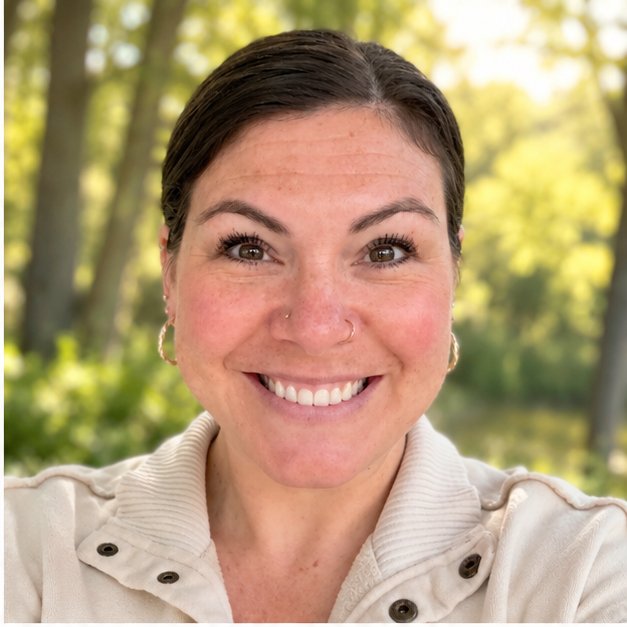
Colleen McCormick
Board Certified Behavior Analyst (BCBA)
Cheshire, Connecticut
Works with: children · teens · adultsFrom $110View profile →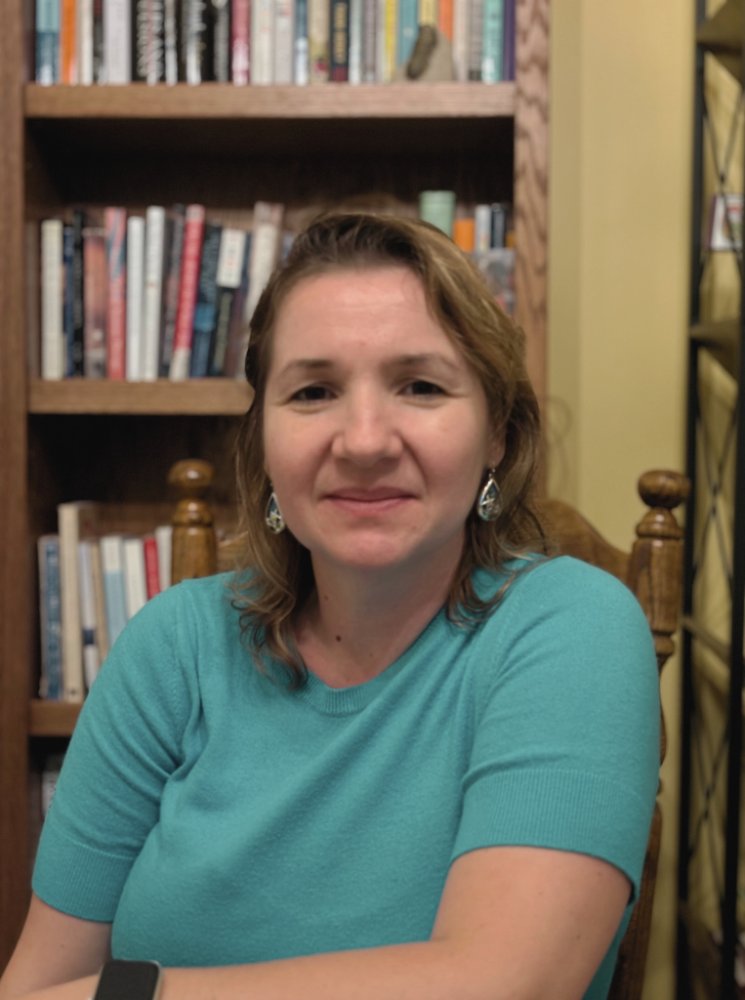
Liliana's Practice, LLC
Psychotherapist (LCSW)
Newington, Connecticut
Works with: teens · adultsFrom $130View profile →- More practitioners are being added — see online options
Frequently Asked Questions about Trichotillomania in Connecticut
Find a TherapistHow do I find a trichotillomania therapist near me in Connecticut?›
Search the directory by your city or town, or choose Online to see people who work with clients anywhere in Connecticut. Every listing shows how the person works, whether they see people in person or online, what they charge, and has a private contact form.
Can I have sessions online from anywhere in Connecticut?›
Yes. Anyone licensed in Connecticut can see you online wherever you live in the state. Connecticut has also joined an agreement that lets psychologists from many other states work with you online. Hypnotherapists, EFT practitioners and coaches aren’t bound by these rules.
How much does trichotillomania therapy cost in Connecticut?›
Private sessions usually cost $130–$250, with around $150–$200 typical. Fairfield County runs higher, often $200 or more. Every listing shows its own prices, and many people offer a free first call.
What kinds of help are there for hair pulling in Connecticut?›
Therapists, counselors, psychologists, CBT therapists, occupational therapists, hypnotherapists, EFT and NLP practitioners, and BFRB coaches all help people who pull. Different people find different things helpful. What they share here is that they understand hair pulling.
Do I need a doctor’s note or a diagnosis to get help in Connecticut?›
No. You can contact anyone listed in the directory directly, without a doctor’s note and without a diagnosis. Just say you pull your hair and want someone who understands trichotillomania.
My child pulls their hair. What do I do first?›
Stay steady and don’t tell them off; pressure and punishment reliably make pulling worse. Read The Parent’s Guide to Trichotillomania to understand what your child is going through, then look for someone whose listing says they work with children and teens.
Are there trichotillomania support groups in Connecticut?›
We haven’t found an in-person group just for hair pulling in Connecticut yet. The IOCDF lists a free online BFRB group open to Connecticut residents, and OCD Connecticut and NAMI Connecticut run groups statewide. If you run one, tell us and we’ll list it for free.
How common is hair pulling in Connecticut?›
Trichotillomania affects about 1 in 50 people, which means tens of thousands of people in Connecticut. It usually starts around ages 10–13 but can begin at any age. Most people who pull have never knowingly met another person who does. Read our complete guide to trichotillomania.
How to get in touch with a therapist
You can contact anyone listed here directly, today. You don’t need a doctor’s note, and you don’t need a diagnosis. Use the private contact form on their listing, and say what it is: “I pull my hair. I’m looking for someone who understands trichotillomania.” Plain words like that save you from being steered toward general stress or anxiety work.
In Connecticut, most people who understand hair pulling practice in Fairfield County, New Haven and the Hartford area. If you live in the northwest hills, the northeast corner or a small shoreline town, online sessions are often the easiest way to find someone who gets it. Connecticut has joined an agreement that lets psychologists licensed in many other states see you online, and it has signed up to a similar one for counselors that is still being set up. Hypnotherapists, EFT practitioners and coaches aren’t bound by those rules.
If you have HUSKY Health or insurance through work, your plan can also connect you with someone. That route exists, and it often takes longer, and you usually can’t choose a person who understands hair pulling.
How to choose who to work with
People who pull find help from many directions: therapists, counselors, psychologists, hypnotherapists, EFT and NLP practitioners, occupational therapists and coaches. Different people find different things helpful, and what matters is that the person understands hair pulling and that you feel at ease with them.
If you’d like to check a licensed clinician, Connecticut has a free public lookup. The Department of Public Health licenses psychologists, professional counselors (LPC), marriage and family therapists (LMFT) and clinical social workers (LCSW), and you can search all of them at Connecticut eLicense. Many kinds of help, like hypnotherapy, EFT, NLP and coaching, aren’t licensed by the state and belong to their own associations instead.
Everyone on this site has one thing in common: they’ve told us they understand hair pulling. On a first call, you can ask:
- Have you helped people who pull their hair before?
- How do you work? What happens in the first few sessions?
- What if I feel it isn’t right for me?
Charities and groups in Connecticut
Connecticut has no charity just for hair pulling right now. These organizations can help today.
International OCD Foundation (IOCDF)
The main US home for BFRB support (BFRB stands for body-focused repetitive behavior, the group that includes hair pulling and skin picking). It runs online events and keeps a list of support groups, including groups for people who pull.
OCD Connecticut
The Connecticut branch of the IOCDF. It runs talks and events around the state, including a yearly walk in Fairfield, and keeps a list of Connecticut support groups. Its focus is OCD, but it’s a useful local link to the wider IOCDF community.
NAMI Connecticut
The state network of the National Alliance on Mental Illness, based in New Britain. It runs free peer support groups for adults, families and parents of children across Connecticut. It isn’t focused on hair pulling, but it helps with the anxiety and low mood that often come with it.
Mental Health Connecticut
Founded in New Haven in 1908 by Clifford Beers as the Connecticut Society for Mental Hygiene, it is one of the longest-standing mental health nonprofits in the state. Today it offers education, advocacy and community programs, based in Farmington.
988 Suicide & Crisis Lifeline
Call or text 988 at any time if distress turns into a crisis.
Support groups in Connecticut
We haven’t found an in-person group just for hair pulling in Connecticut yet. Most groups for people who pull meet online right now. Here’s what we’ve been able to confirm:
- IOCDF online BFRB group: a free group on Zoom for anyone with hair pulling or skin picking, plus family and friends, meeting twice a month. It’s listed on the IOCDF’s support group directory and is open to people in Connecticut.
- OCD Connecticut groups: OCD Connecticut lists groups around the state, from Fairfield County to Tolland, most of them online. They center on OCD, so ask the organizer if someone who pulls is welcome.
- NAMI Connecticut: free peer-led groups across the state, in person and online, including groups for families.
For parents: watching your child pull is hard. The Parent’s Guide to Trichotillomania helps you understand what your child is going through.
Do you run a Connecticut group? Tell us and we’ll list it for free.
Why people wait years to reach out
Many people who pull wait a long time before they tell anyone. Some wait ten years or more. The reasons are rarely about not caring.
For a lot of people, it starts in childhood, before they have words for it. By the time they’re adults, hiding it has become part of daily life: the hat, the side part, the eyebrow pencil, the excuse for skipping the pool. Hiding takes effort, but it also feels safer than explaining.
Many people don’t know it has a name. They assume they’re the only one, or that it’s a strange habit they should be able to stop on their own. When they finally search for it, the word “trichotillomania” can bring relief and fear at the same time.
Some did try once. They told a doctor or a counselor, who hadn’t heard of it or brushed it off, and that one conversation kept them quiet for years.
None of this means a person didn’t try hard enough. Hair pulling is not a bad habit, a lack of willpower or a form of self-harm. It is a recognized condition, and the silence around it is part of how it works. Reaching out after years of quiet is a real step, whenever it happens.
About this page
Sources: International OCD Foundation (including its BFRB support group listings); OCD Connecticut (including its support group listings); NAMI Connecticut; Mental Health Connecticut; 988 Suicide & Crisis Lifeline; Connecticut Department of Public Health (eLicense lookup, PSYPACT and Counseling Compact pages); PSYPACT Commission and Counseling Compact Commission membership lists (2026); published Connecticut therapy cost data (2026).
Things change. We check this page often, but always check prices and qualifications with the person you contact. This page is information, not medical advice.
Are you a Connecticut therapist or practitioner who works with trichotillomania?
Be found by people looking for help with hair pulling across Connecticut, in person or online.
About Connecticut
Connecticut is the third-smallest state in the US, a compact corner of New England where you can drive from the New York line to Rhode Island in under two hours. Hartford is the state capital, and Bridgeport is its largest city.
The Connecticut River runs down the middle of the state to Long Island Sound, lined with old river towns like Essex and East Haddam. The northwest is the Litchfield Hills, with rolling farmland, lakes and the foothills of the Berkshires. The northeast, known as the Quiet Corner, is rural and wooded, while the shoreline runs from the Gold Coast towns of Greenwich and Westport past New Haven to the old whaling and shipbuilding ports of Mystic and New London.
Each city has its own character. New Haven is home to Yale University, founded in 1701, and is famous for its coal-fired pizza on Wooster Street. Hartford, long known as the insurance capital of America, is where Mark Twain wrote some of his most famous books. Stamford and Norwalk, close to New York City, mix corporate offices with busy waterfronts.
Attractions in Connecticut
Small as it is, Connecticut packs in some of the country’s oldest museums, a long stretch of coastline and wooded hills full of state parks. These five are spread across the state.
Wadsworth Atheneum Museum of Art, Hartford
Founded in 1842 and opened to the public in 1844, the Wadsworth Atheneum is the oldest continually operating public art museum in the United States. It stands on the site of Daniel Wadsworth’s family home in downtown Hartford. Its collection of around 50,000 objects spans more than 5,000 years, from ancient Egyptian bronzes to Hudson River School landscapes and works by Caravaggio, Monet and Dalí.
Yale University Art Gallery, New Haven
The gallery began in 1832, when the painter John Trumbull gave more than 100 of his paintings of the American Revolution to Yale, making it the oldest university art museum in the Western Hemisphere. Today it holds more than 300,000 objects across three connected buildings, including a modernist wing designed by Louis Kahn. Admission is free.
Mystic Seaport Museum, Mystic
Founded in 1929, Mystic Seaport is the largest maritime museum in the United States, set on 19 acres beside the Mystic River. Its most famous ship is the Charles W. Morgan, built in 1841 and the only wooden whaling ship still in existence. Visitors walk through a recreated 19th-century seaport village with a working shipyard, sail loft and ropewalk.
Gillette Castle State Park, East Haddam
Actor William Gillette, famous for playing Sherlock Holmes on stage, built this 24-room stone castle high above the Connecticut River between 1914 and 1919. He designed much of it himself, including 47 doors with hand-carved wooden latches and a hidden room reached by a secret staircase. The state bought the estate in 1943, and its trails and river views are now a state park.
Kent Falls State Park, Kent
In the Litchfield Hills, Kent Falls Brook drops about 250 feet in a series of cascades, the biggest of them falling more than 70 feet into a pool. A covered bridge crosses the brook near the base, and a trail climbs alongside the falls to the top. The park dates from 1919, when the White Memorial Foundation gave the land to the state.
Browse by state
- Alabama
- Alaska
- Arizona
- Arkansas
- California
- Colorado
- Connecticut
- Delaware
- Florida
- Georgia
- Hawaii
- Idaho
- Illinois
- Indiana
- Iowa
- Kansas
- Kentucky
- Louisiana
- Maine
- Maryland
- Massachusetts
- Michigan
- Minnesota
- Mississippi
- Missouri
- Montana
- Nebraska
- Nevada
- New Hampshire
- New Jersey
- New Mexico
- New York
- North Carolina
- North Dakota
- Ohio
- Oklahoma
- Oregon
- Pennsylvania
- Rhode Island
- South Carolina
- South Dakota
- Tennessee
- Texas
- Utah
- Vermont
- Virginia
- Washington
- West Virginia
- Wisconsin
- Wyoming
- Washington DC