
Trichotillomania Support in the US
Find a therapist in the US who understands trichotillomania. Whether you pull your own hair or you’re supporting a child or someone you love, search by city or town for someone near you, or choose Online to see who works with people anywhere in the US.

Find a therapist for trichotillomania in the US
Most therapists have never met someone who pulls their hair, because it isn’t something they learn about in training. That often leaves people explaining their own condition to a professional who’d never heard of it. It’s the reason this directory exists: everyone listed has told us they understand hair pulling and already help people who pull.
You’ll find therapists, counselors, psychologists, hypnotherapists, EFT practitioners and coaches here, and different people find different things helpful. Each listing explains how that person works, whether they see people in person, online or both, and what they charge. You can search anywhere from Maine to Hawaii, or work with someone online from home.

Sarah Katz
Psychotherapist (PsyD)
Marina del Rey, California
Works with: adultsFrom $130View profile →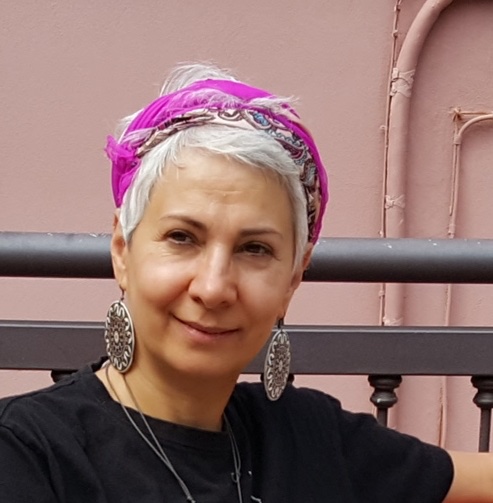
Maryam Forozmand
Jungian Analyst
Vienna, Virginia
Works with: adultsFrom $175View profile →
Jenna Stone
Psychotherapist (LCSW-C)
Columbia, Maryland
Works with: teens · adultsFrom $265View profile →
Adria Hagg
CBT Therapist (LMSW, LCSW)
Northville, Michigan
Works with: adultsFrom $185View profile →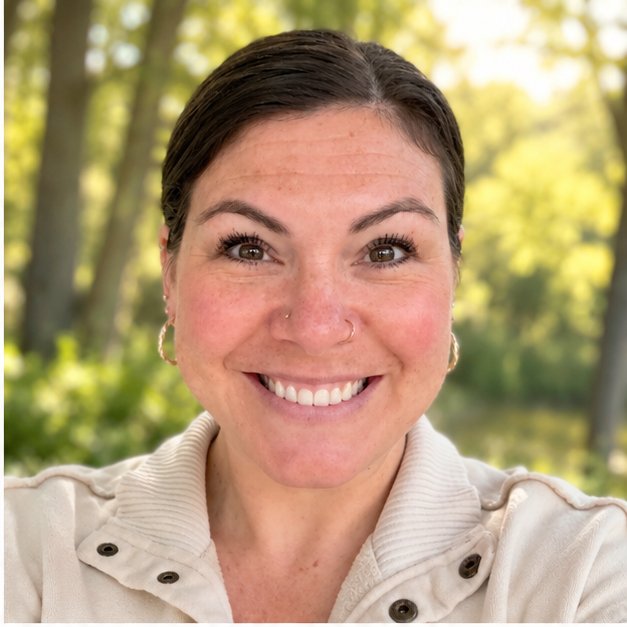
Colleen McCormick
Board Certified Behavior Analyst (BCBA)
Cheshire, Connecticut
Works with: children · teens · adultsFrom $110View profile →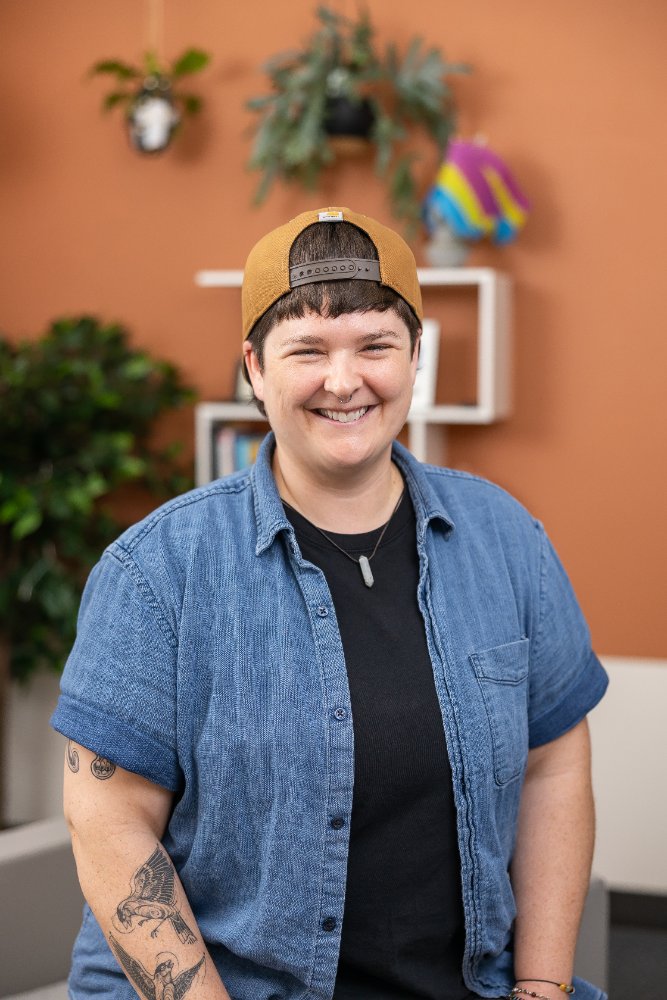
Ray Findley
Psychotherapist (LCSW)
Seattle, Washington
Works with: teens · adultsFrom $195View profile →
Frequently Asked Questions about Trichotillomania in the US
Find a TherapistHow do I find a trichotillomania therapist near me in the US?›
Search by city or town at the top of this page, or pick your state. Every listing explains how the person works, what it costs and how to get in touch. Everyone listed understands hair pulling, so you won’t need to explain it.
Can I have sessions online from anywhere in the US?›
Usually, yes. Licensed clinicians normally need a license in your state, but psychologists in most states can now work online across state lines, and counselors are starting to. Hypnotherapists, EFT practitioners and coaches have no such rule. Choose Online in the search to see who can help.
How much does trichotillomania therapy cost in the US?›
Most private sessions cost $100 to $250, and most people pay around $150 to $175. Big cities like New York cost more. Every listing shows its own prices, and many people offer a free first call.
What kinds of help are there for hair pulling?›
This site lists therapists, counselors, psychologists, hypnotherapists, EFT practitioners, NLP practitioners and coaches. They all work in different ways, and different people find different things helpful. Each listing explains how that person works.
Do I need a doctor’s note or a diagnosis?›
No. You can message anyone listed right now. Some insurance plans want a diagnosis before they pay, but that’s about paying, not about getting in touch.
My child pulls their hair. What do I do first?›
Stay steady, and don’t tell them off. Telling a child off reliably makes pulling worse and adds shame to something they probably can’t explain either. Read The Parent’s Guide to Trichotillomania, then look for someone here who works with children. Their listing will say so.
Are there support groups in the US?›
Yes, though most meet online. The IOCDF lists groups across the country, and BFRB Changemakers runs free monthly groups for adults. In-person groups are still rare, so tell us if you know of one.
How common is hair pulling in the US?›
About 1 in 50 people pull their hair, which means millions of Americans. It’s a body-focused repetitive behavior (BFRB) recognized in the DSM-5, not a bad habit, attention-seeking, self-harm or a lack of willpower. Our complete guide explains more.
Can I get help through Medicaid or a community mental health center?›
Yes. Community mental health centers charge based on income and many accept Medicaid, but waits are often long and you usually can’t choose someone who understands hair pulling. Many people contact someone in the directory while they wait.
Browse by state
- Alabama
- Alaska
- Arizona
- Arkansas
- California
- Colorado
- Connecticut
- Delaware
- Florida
- Georgia
- Hawaii
- Idaho
- Illinois
- Indiana
- Iowa
- Kansas
- Kentucky
- Louisiana
- Maine
- Maryland
- Massachusetts
- Michigan
- Minnesota
- Mississippi
- Missouri
- Montana
- Nebraska
- Nevada
- New Hampshire
- New Jersey
- New Mexico
- New York
- North Carolina
- North Dakota
- Ohio
- Oklahoma
- Oregon
- Pennsylvania
- Rhode Island
- South Carolina
- South Dakota
- Tennessee
- Texas
- Utah
- Vermont
- Virginia
- Washington
- West Virginia
- Wisconsin
- Wyoming
- Washington DC
How to get in touch with a therapist
You can message anyone listed right now, without a doctor’s note or a diagnosis. Every listing has a private contact form, so your message goes only to the person you choose. Most listings explain how the person works, what sessions cost, and whether they offer a free first call.
In the US, licensed clinicians usually need a license in the state where you live. Psychologists in most states can now work online across state lines through a shared agreement, and a similar one for counselors is starting up state by state. Hypnotherapists, EFT practitioners and coaches aren’t bound by these rules at all. That means most people can find someone who understands hair pulling, wherever they live.
What therapy costs in the US
A private session in the US usually costs between $100 and $250, and most people pay around $150 to $175. Prices run higher in big cities like New York, San Francisco and Los Angeles, where $200 to $300 is common. Every listing shows its own prices, so there are no surprises.
Some insurance plans pay part of the cost for some kinds of practitioner. Ask your insurer, and ask the person you contact. Many people offer a free first call, which is a good time to talk about cost.
How to check someone is qualified
In the US, some titles are licensed by each state. These include psychologist, licensed professional counselor (LPC), licensed clinical social worker (LCSW) and licensed marriage and family therapist (LMFT). Every state board has a free public lookup, so if someone says they hold a license, you can check it there. For psychologists, the Association of State and Provincial Psychology Boards links to the lookup for every state.
Many good kinds of help aren’t licensed by a state at all. Hypnotherapists, EFT practitioners, NLP practitioners and coaches usually belong to their own professional associations instead, and many people find these are exactly what they need.
Everyone on this site has one thing in common: they’ve told us they understand hair pulling. On a first call, you can ask:
- Have you helped people who pull their hair before?
- How do you work? What happens in the first few sessions?
- What if I feel it isn’t right for me?
Charities and groups in the US
International OCD Foundation (IOCDF)
The main home for hair pulling support in the US. The TLC Foundation for BFRBs (body-focused repetitive behaviors, the family that hair pulling and skin picking belong to) wound down at the end of 2025 and passed its work to the IOCDF, which now lists support groups and holds a yearly conference.
BFRB Changemakers
A US nonprofit started by people who pull and pick. It runs free, volunteer-led support groups each month, plus events where people meet others like them.
Picking Me Foundation
A charity for skin picking, which is a close cousin of hair pulling. A lot of what it offers is useful for both.
NAMI (National Alliance on Mental Illness)
Not just for hair pulling. Its free HelpLine (call 1-800-950-6264 or text “NAMI” to 62640, weekdays 10 a.m. to 10 p.m. ET) can help with insurance questions and family support.
988 Suicide & Crisis Lifeline
Call or text 988 any time, day or night, if things feel like too much.
Support groups in the US
Most people who pull have never met another person who does, so meeting others can change a lot.
- IOCDF group listings — search the IOCDF directory for hair pulling groups across the country.
- BFRB Changemakers groups — free, peer-led groups on Zoom every month, for adults 18 and over.
- The IOCDF conference — held once a year, with sessions for people who pull and their families.
Most groups meet online right now, and in-person groups, like one in Eugene, Oregon, are still rare. Do you run a group? Tell us and we’ll list it for free.
For parents: The Parent’s Guide to Trichotillomania is for the first weeks after you find out your child pulls.
Low-cost and public options
Community mental health centers charge based on what you earn, and many accept Medicaid. You can find one through SAMHSA’s locator. Waits are often long and you usually can’t choose someone who understands hair pulling, so many people contact someone in the directory while they wait.
About this page
Sources: International OCD Foundation; BFRB Changemakers; Picking Me Foundation; NAMI; 988 Suicide & Crisis Lifeline; SAMHSA locator; PSYPACT Commission; Counseling Compact Commission; Association of State and Provincial Psychology Boards; published US therapy fee data (2026).
Things change. We check this page often, but always check prices and qualifications with the person you contact. This page is information, not medical advice.
Are you a US therapist or practitioner who works with trichotillomania?
Be found by people looking for help with hair pulling across the US, in person or online.