
Trichotillomania Support in Maryland
Find a therapist in Maryland who understands trichotillomania. Whether you pull your own hair or you’re supporting a child or someone you love, search by city or town, from Baltimore to Salisbury, for someone near you, or choose Online to see who works with people anywhere in Maryland.
Find a therapist for trichotillomania in Maryland
Maryland was the second state in the country to sign up to an agreement that lets licensed counselors work across state lines. Every one of its neighbors, including Washington, DC, shares a similar agreement for psychologists. So your options reach well past the state line. Connecting you with people who already understand hair pulling is the reason this directory exists.
The directory includes therapists, counselors, psychologists, psychotherapists, hypnotherapists, EFT practitioners, NLP practitioners and coaches. Every listing shows how that person works, whether they see people in person, online or both, and what they charge. Each one has a private contact form, so you can get in touch without sharing your details publicly.
If there’s no one near you in western Maryland, on the Eastern Shore or in Southern Maryland yet, you can see who works online across Maryland.
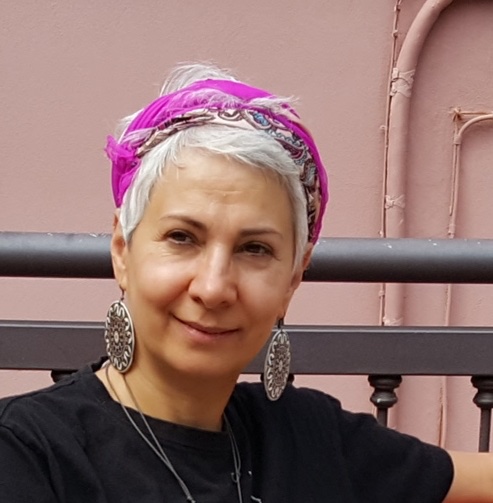
Maryam Forozmand
Jungian Analyst
Vienna, Virginia
Works with: adultsFrom $175View profile →
Jenna Stone
Psychotherapist (LCSW-C)
Columbia, Maryland
Works with: teens · adultsFrom $265View profile →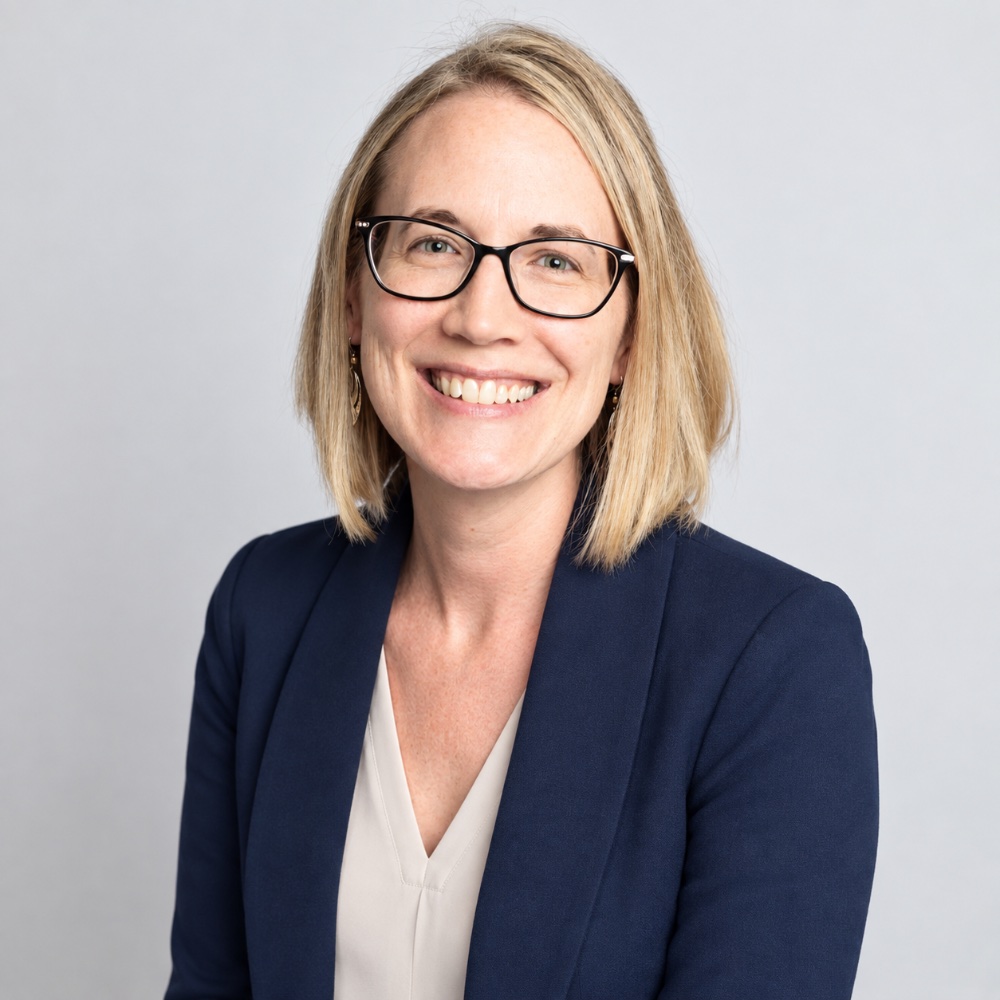
Natalie Cherrix
Psychotherapist (LCSW-C)
Maryland
Works with: adultsFrom $175View profile →- More practitioners are being added — see online options
Frequently Asked Questions about Trichotillomania in Maryland
Find a TherapistHow do I find a trichotillomania therapist near me in Maryland?›
Search our directory by town or city. Every listing explains how the person works, what they charge and whether they see people in person, online or both. Most in-person options are between Baltimore and the DC suburbs; farther out, many people choose online sessions.
Can I have sessions online from anywhere in Maryland?›
Yes. Many people listed work online with clients anywhere in Maryland. Maryland has also joined an agreement that lets licensed psychologists from other member states work with Marylanders online. Practitioners such as hypnotherapists and coaches aren’t limited by state lines.
How much does trichotillomania therapy cost in Maryland?›
Private sessions in Maryland usually cost $130 to $225, with around $190 typical. Every listing shows its own prices, some insurance plans pay part of the cost for some practitioner types, and many people offer a free first call.
What kinds of help are there for hair pulling?›
People who pull work with therapists, counselors, psychologists, psychotherapists, hypnotherapists, EFT practitioners, NLP practitioners and coaches. Different people find different things helpful. Everyone in our directory has told us they understand hair pulling and already help people who pull.
Do I need a doctor’s note or a diagnosis to get help in Maryland?›
No. You can contact anyone listed in our directory directly, without a doctor’s note or a diagnosis. Just tell them you pull your hair and you’re looking for someone who understands trichotillomania.
My child pulls their hair. What do I do first?›
Stay steady and don’t tell them off, because pressure and punishment reliably make pulling worse. Start with The Parent’s Guide to Trichotillomania, and look for someone in the directory whose listing says they work with children and teens.
Are there trichotillomania support groups in Maryland?›
We haven’t found an in-person trichotillomania group in Maryland yet. Marylanders can join online groups through the International OCD Foundation’s listings and BFRB Changemakers, and NAMI Maryland runs broader groups. If you run a group, tell us and we’ll list it.
How common is hair pulling in Maryland?›
About 1 in 50 people have trichotillomania, so roughly 60,000 to 120,000 Marylanders. It’s a recognized condition, not a bad habit, and it often starts between ages 10 and 13. Learn more in our complete guide to trichotillomania.
How to get in touch with a therapist
You can message anyone listed here directly, today. You don’t need a doctor’s note or a diagnosis first.
When you write, say what it is: “I pull my hair. I’m looking for someone who understands trichotillomania.” Their reply tells you a lot about whether they’re the right fit.
Most Maryland practitioners work along the Baltimore–Washington corridor. They cluster in Baltimore and Towson, around Columbia, and in Montgomery County towns such as Bethesda, Rockville and Silver Spring. Western Maryland, the Eastern Shore and Southern Maryland have far fewer offices. Online sessions close that gap.
Maryland and all of its neighbors belong to an agreement that lets licensed psychologists work with people online across state lines. Maryland’s matching agreement for licensed counselors is still being put in place. Hypnotherapists, EFT practitioners and coaches aren’t covered by these licensing rules, so many already work with people in any state.
You can also go through your insurance, Maryland Medicaid or a community mental health clinic. That route exists, and it often takes longer, usually without a choice of someone who understands hair pulling.
How to choose who to work with
People who pull find help from all kinds of practitioners: therapists, counselors, psychologists, psychotherapists, hypnotherapists, EFT practitioners and coaches. Different people find different things helpful, and what matters most is that you feel understood.
If you’d like to check a licensed clinician’s registration, Maryland has two free lookups. The Maryland Board of Examiners of Psychologists covers psychologists, and “psychologist” is a protected title in Maryland. The Board of Professional Counselors and Therapists covers Licensed Clinical Professional Counselors (LCPC) and marriage and family therapists. Many other good kinds of help aren’t licensed by the state at all and belong to their own professional associations instead.
Everyone on this site has one thing in common: they’ve told us they understand hair pulling. On a first call, you can ask:
- Have you helped people who pull their hair before?
- How do you work? What happens in the first few sessions?
- What if I feel it isn’t right for me?
Charities and groups in Maryland
Maryland has no charity just for hair pulling or other body-focused repetitive behaviors (BFRBs). It does share a long-running regional group for OCD and related conditions with Washington, DC and Virginia. These are the organizations most useful to Marylanders who pull.
International OCD Foundation (IOCDF)
The main US home for BFRB support, including trichotillomania. Its website explains hair pulling in plain terms, and its support-group listings include online BFRB groups open to people anywhere in the US.
OCD Mid-Atlantic
The IOCDF’s affiliate for Maryland, Washington, DC and Northern and Central Virginia, founded in 2010. Its focus is mainly OCD, but it covers related conditions too and runs events for people and families across the region.
BFRB Changemakers
A US nonprofit focused on hair pulling, skin picking and related behaviors. It runs a free online support group and shares plain-language articles and community stories.
NAMI Maryland
The state branch of the National Alliance on Mental Illness, with local affiliates across Maryland. Its free peer and family groups aren’t specific to hair pulling but welcome anyone.
Mental Health Association of Maryland
Founded in 1915, it is one of the oldest mental health advocacy groups in the country. It shares free information about mental health for Marylanders of all ages.
988 Suicide & Crisis Lifeline
Call or text 988, any time of day or night, if things ever feel too much to handle on your own.
Support groups in Maryland
We haven’t found an in-person trichotillomania group anywhere in Maryland yet, so most Marylanders who pull connect with others online. For something this private, many people find that easier.
- IOCDF support-group listings: online BFRB groups that anyone in Maryland can join.
- BFRB Changemakers: a free online group for people who pull or pick.
- NAMI Maryland affiliates: free peer groups in person, including around Baltimore, and online. They aren’t just for hair pulling, but they’re a way to meet people nearby.
For parents: our guide The Parent’s Guide to Trichotillomania helps you understand what your child is going through.
Do you run a Maryland group? Tell us and we’ll list it for free.
Hair Pulling Has Relatives: The Wider BFRB Family
Trichotillomania belongs to a group of conditions called body-focused repetitive behaviors, or BFRBs. They all involve pulling, picking, biting or rubbing at your own body, again and again, often without meaning to.
Skin picking, also called excoriation disorder, is the closest relative. It sits right beside trichotillomania in the DSM-5. Nail biting, cheek and lip biting, and picking at cuticles belong to the same family. Some people who pull also chew or bite the hair afterward.
Many people have more than one. Someone who pulls from their scalp might also pick at their fingers. Others notice one behavior quieten while another grows stronger. That can feel confusing, but it’s a familiar pattern.
Knowing the family name helps in two ways. It gives you a word to search with. It also shows that hair pulling isn’t a strange one-off. It belongs to a well-described group of behaviors that many people share. It is not a bad habit, not attention-seeking, not self-harm and not a lack of willpower.
That’s also why many online groups welcome people who pull and people who pick together. The details differ, but the experience of hiding it, and of finally finding others, is much the same.
About this page
Sources: Counseling Compact Commission; Maryland Psychological Association (PSYPACT); PSYPACT Commission; Maryland Board of Examiners of Psychologists; Maryland Board of Professional Counselors and Therapists; TherapyExplained Maryland therapy cost data (2026); International OCD Foundation; OCD Mid-Atlantic; BFRB Changemakers; NAMI Maryland; Mental Health Association of Maryland; 988 Suicide & Crisis Lifeline.
Things change. We check this page often, but always check prices and qualifications with the person you contact. This page is information, not medical advice.
Are you a Maryland therapist or practitioner who works with trichotillomania?
Be found by people looking for help with hair pulling across Maryland, in person or online.
About Maryland
Maryland wraps around the Chesapeake Bay, the largest estuary in the United States. It runs from the Atlantic beaches of Ocean City to the Appalachian ridges of Garrett County, where Deep Creek Lake is the state’s largest lake.
Baltimore, the largest city, is a port of brick rowhouse neighborhoods. Fells Point keeps its cobbled waterfront streets, and Hampden is known for independent shops. Annapolis, the state capital, is home to the US Naval Academy. Frederick, known for its clustered church spires, has a historic downtown along Carroll Creek. Montgomery County suburbs such as Bethesda and Silver Spring border Washington, DC. Across the Bay Bridge, the Eastern Shore is farm country and fishing towns such as St. Michaels.
Attractions in Maryland
Maryland fits colonial, Civil War and maritime history into a small state, with mountains in the west and ocean beaches in the east.
Fort McHenry National Monument and Historic Shrine (Baltimore)
This star-shaped fort on the Patapsco River was completed in 1803 to guard Baltimore’s harbor. In September 1814 it held out through a 25-hour British bombardment. Watching from a ship, Francis Scott Key wrote the poem that became “The Star-Spangled Banner.” Congress set it aside as a national park and shrine in 1925.
Maryland State House (Annapolis)
Begun in 1772, the State House is the oldest state capitol still in continuous legislative use. Its wooden dome, built without nails, is the largest of its kind in the country. In the Old Senate Chamber, George Washington resigned his commission in December 1783, and Congress ratified the Treaty of Paris weeks later.
Antietam National Battlefield (Sharpsburg)
On September 17, 1862, Union and Confederate armies fought along Antietam Creek. About 23,000 soldiers were killed, wounded or missing in around 12 hours, the bloodiest single day in American military history. The battle ended Robert E. Lee’s first invasion of the North and led Abraham Lincoln to issue the preliminary Emancipation Proclamation.
Assateague Island National Seashore (near Berlin)
Assateague is a 37-mile barrier island shared with Virginia, with ocean beaches, dunes, salt marsh and pine forest. It is famous for its wild horses, descended from animals brought to the island centuries ago. The Maryland herd roams the northern end. The island became a national seashore in 1965.
Swallow Falls State Park (near Oakland)
In Garrett County, Muddy Creek Falls drops 53 feet, the highest free-falling waterfall in Maryland. A short trail passes it and smaller falls on the Youghiogheny River, through a stand of old-growth hemlock and white pine. Some trees are more than 300 years old. Henry Ford, Thomas Edison and Harvey Firestone camped beside the falls in 1921.
Browse by state
- Alabama
- Alaska
- Arizona
- Arkansas
- California
- Colorado
- Connecticut
- Delaware
- Florida
- Georgia
- Hawaii
- Idaho
- Illinois
- Indiana
- Iowa
- Kansas
- Kentucky
- Louisiana
- Maine
- Maryland
- Massachusetts
- Michigan
- Minnesota
- Mississippi
- Missouri
- Montana
- Nebraska
- Nevada
- New Hampshire
- New Jersey
- New Mexico
- New York
- North Carolina
- North Dakota
- Ohio
- Oklahoma
- Oregon
- Pennsylvania
- Rhode Island
- South Carolina
- South Dakota
- Tennessee
- Texas
- Utah
- Vermont
- Virginia
- Washington
- West Virginia
- Wisconsin
- Wyoming
- Washington DC