
Trichotillomania Support in Virginia
Find a therapist in Virginia who understands trichotillomania. Whether you pull your own hair or you’re supporting a child or someone you love, search by city or town, from Roanoke to Virginia Beach, for someone near you, or choose Online to see who works with people anywhere in Virginia.
Find a therapist for trichotillomania in Virginia
Virginia was the first state in the country to license professional counselors, back in 1976, and it has a large mental health workforce today. Yet very few of those professionals learned about hair pulling in training. Connecting you with people who already understand it is the reason this directory exists.
The directory includes therapists, counselors, psychologists, psychotherapists, hypnotherapists, EFT practitioners, NLP practitioners and coaches. Every listing shows how that person works, whether they see people in person, online or both, and what they charge. Each one has a private contact form, so you can get in touch without sharing your details publicly.
If there’s no one near you in the Shenandoah Valley, Southside or Southwest Virginia yet, you can see who works online across Virginia.
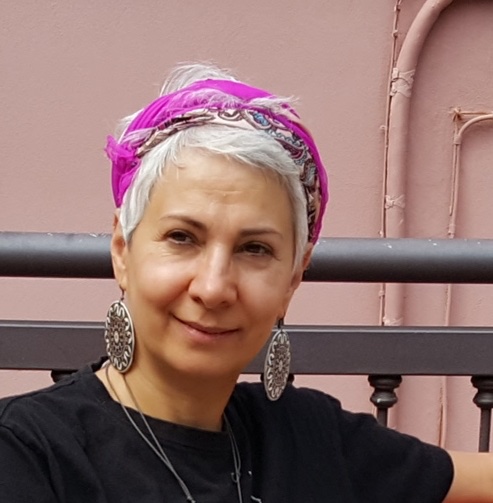
Maryam Forozmand
Jungian Analyst
Vienna, Virginia
Works with: adultsFrom $175View profile →
Jenna Stone
Psychotherapist (LCSW-C)
Columbia, Maryland
Works with: teens · adultsFrom $265View profile →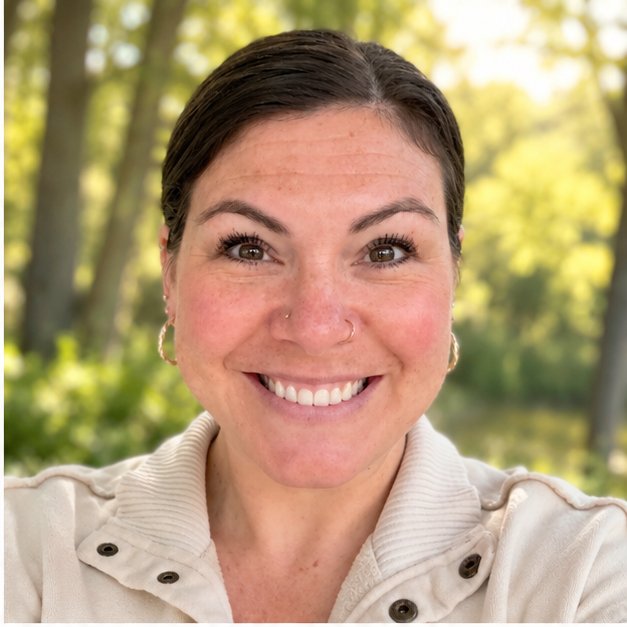
Colleen McCormick
Board Certified Behavior Analyst (BCBA)
Cheshire, Connecticut
Works with: children · teens · adultsFrom $110View profile →- More practitioners are being added — see online options
Frequently Asked Questions about Trichotillomania in Virginia
Find a TherapistHow do I find a trichotillomania therapist near me in Virginia?›
Search our directory by town or city. Every listing explains how the person works, what they charge and whether they see people in person, online or both. Most in-person options are in Northern Virginia, Richmond and Hampton Roads; farther out, many people choose online sessions.
Can I have sessions online from anywhere in Virginia?›
Yes. Many people listed work online with clients anywhere in Virginia. Virginia has also joined an agreement that lets licensed psychologists from other member states work with Virginians online. Practitioners such as hypnotherapists and coaches aren’t limited by state lines.
How much does trichotillomania therapy cost in Virginia?›
Private sessions in Virginia usually cost $120 to $225, with around $185 typical. Every listing shows its own prices, some insurance plans pay part of the cost for some practitioner types, and many people offer a free first call.
What kinds of help are there for hair pulling?›
People who pull work with therapists, counselors, psychologists, psychotherapists, hypnotherapists, EFT practitioners, NLP practitioners and coaches. Different people find different things helpful. Everyone in our directory has told us they understand hair pulling and already help people who pull.
Do I need a doctor’s note or a diagnosis to get help in Virginia?›
No. You can contact anyone listed in our directory directly, without a doctor’s note or a diagnosis. Just tell them you pull your hair and you’re looking for someone who understands trichotillomania.
My child pulls their hair. What do I do first?›
Stay steady and don’t tell them off, because pressure and punishment reliably make pulling worse. Start with The Parent’s Guide to Trichotillomania, and look for someone in the directory whose listing says they work with children and teens.
Are there trichotillomania support groups in Virginia?›
We haven’t found an in-person trichotillomania group in Virginia yet. Virginians can join online groups through the International OCD Foundation’s listings and BFRB Changemakers, and NAMI Virginia runs broader groups. If you run a group, tell us and we’ll list it.
How common is hair pulling in Virginia?›
About 1 in 50 people have trichotillomania, so roughly 90,000 to 175,000 Virginians. It’s a recognized condition, not a bad habit, and it often starts between ages 10 and 13. Learn more in our complete guide to trichotillomania.
How to get in touch with a therapist
You can message anyone listed here directly, today. You don’t need a doctor’s note or a diagnosis first.
When you write, say what it is: “I pull my hair. I’m looking for someone who understands trichotillomania.” Their reply tells you a lot about whether they’re the right fit.
Most Virginia practitioners work in three areas. Northern Virginia has the most, in Arlington, Alexandria and Fairfax County. Richmond and Hampton Roads come next, with Charlottesville close behind. Southwest Virginia, Southside and the Eastern Shore have far fewer, and online sessions close that gap.
Virginia belongs to an agreement that lets licensed psychologists from most other states work with Virginians online. It has also signed a matching agreement for licensed counselors, but that one isn’t running in Virginia yet. Hypnotherapists, EFT practitioners and coaches aren’t covered by these licensing rules, so many already work with people in any state.
You can also go through your insurance, Virginia Medicaid or your local community services board. That route exists, and it often takes longer, usually without a choice of someone who understands hair pulling.
How to choose who to work with
People who pull find help from all kinds of practitioners: therapists, counselors, psychologists, psychotherapists, hypnotherapists, EFT practitioners and coaches. Different people find different things helpful. What matters most is that you feel understood.
If you’d like to check a licensed clinician’s registration, Virginia keeps it simple. One free Department of Health Professions License Lookup covers psychologists, Licensed Professional Counselors (LPC), marriage and family therapists and clinical social workers. “Psychologist” and “licensed professional counselor” are protected titles in Virginia. Many other good kinds of help aren’t licensed by the state at all and belong to their own professional associations instead.
Everyone on this site has one thing in common: they’ve told us they understand hair pulling. On a first call, you can ask:
- Have you helped people who pull their hair before?
- How do you work? What happens in the first few sessions?
- What if I feel it isn’t right for me?
Charities and groups in Virginia
Virginia has no charity just for hair pulling or other body-focused repetitive behaviors (BFRBs). Virginians do share a regional group for OCD and related conditions with Maryland and Washington, DC. These are the organizations most useful to Virginians who pull.
International OCD Foundation (IOCDF)
The main US home for BFRB support, including trichotillomania. Its website explains hair pulling in plain terms, and its support-group listings include online BFRB groups open to people anywhere in the US.
OCD Mid-Atlantic
The IOCDF’s affiliate for Virginia, Maryland and Washington, DC. Its focus is mainly OCD, but it covers related conditions too and runs events for people and families across the region.
BFRB Changemakers
A US nonprofit focused on hair pulling, skin picking and related behaviors. It runs a free online support group and shares plain-language articles and community stories.
NAMI Virginia
The state branch of the National Alliance on Mental Illness, with local affiliates across Virginia. Its free peer and family groups aren’t specific to hair pulling but welcome anyone.
Mental Health Virginia
Founded in 1937, it is the oldest mental health advocacy group in Virginia. It runs the state’s free, peer-run Warm Line, where you can talk to someone with lived experience before things reach a crisis.
988 Suicide & Crisis Lifeline
Call or text 988, any time of day or night, if things ever feel too much to handle on your own.
Support groups in Virginia
We haven’t found an in-person trichotillomania group anywhere in Virginia yet. Most Virginians who pull connect with others online, and for something this private, many people find that easier.
- IOCDF support-group listings: online BFRB groups that anyone in Virginia can join.
- BFRB Changemakers: a free online group for people who pull or pick.
- NAMI Virginia affiliates: free peer and family groups, in person and online, including groups for parents. They aren’t just for hair pulling, but they’re a way to meet people nearby.
For parents: our guide The Parent’s Guide to Trichotillomania helps you understand what your child is going through.
Do you run a Virginia group? Tell us and we’ll list it for free.
Not All Pulling Is the Same: Focused and Automatic Pulling
People who pull often describe two different kinds of pulling. Many people have both.
Automatic pulling happens outside your attention. Your hand drifts to your hair while you read, drive, watch TV or scroll your phone. You may only notice when you see hairs on the desk or the car seat. People often say they had no idea they’d been pulling for twenty minutes.
Focused pulling feels different. You know you’re doing it, and something draws you in: an itch, a tight or tense feeling, or a hair that seems wrong. It might be coarser, kinked or out of place. Pulling it can bring a moment of relief or satisfaction, and some people check the root or run the hair across their lips.
Both kinds tend to show up in the same places and times. Bedtime, the bathroom mirror, homework, long drives and quiet evenings are common. Stress can play a part, and so can boredom or tiredness.
Knowing your own pattern helps in two ways. It gives you words to explain what happens to someone who can help. It also shows why “just stop” makes so little sense. Automatic pulling happens before you notice, and focused pulling answers a real feeling. Trichotillomania is not a bad habit, not attention-seeking, not self-harm and not a lack of willpower.
About this page
Sources: Counseling Today (American Counseling Association); Virginia Association of Clinical Counselors; Virginia Board of Psychology (PSYPACT); PSYPACT Commission; Virginia Board of Counseling; Counseling Compact Commission; Virginia Department of Health Professions License Lookup; TherapyExplained Virginia therapy cost data (2026); International OCD Foundation; OCD Mid-Atlantic; BFRB Changemakers; NAMI Virginia; Mental Health Virginia; 988 Suicide & Crisis Lifeline.
Things change. We check this page often, but always check prices and qualifications with the person you contact. This page is information, not medical advice.
Are you a Virginia therapist or practitioner who works with trichotillomania?
Be found by people looking for help with hair pulling across Virginia, in person or online.
About Virginia
Virginia runs from the Atlantic beaches of Virginia Beach, its largest city, to the Appalachian ridges of the far southwest. The Blue Ridge Mountains and the Shenandoah Valley run down its western side. To the east, the Chesapeake Bay cuts off the Eastern Shore from the rest of the state.
Richmond, the state capital since 1780, sits at the falls of the James River. Norfolk is home to Naval Station Norfolk, the largest naval base in the world. Arlington and Alexandria border Washington, DC, and Old Town Alexandria dates back to 1749. Charlottesville is home to the University of Virginia. Roanoke is the largest city in Southwest Virginia.
Attractions in Virginia
Virginia holds the homes of two founding presidents, a restored colonial capital and a long stretch of the Blue Ridge.
Monticello (Charlottesville)
Thomas Jefferson designed his hilltop home himself and kept building and rebuilding it from 1769 to 1809. Its west front appears on the back of the US nickel. In 1987 Monticello and Jefferson’s Academical Village at the University of Virginia were named a UNESCO World Heritage Site together. It is the only US presidential home on that list.
Colonial Williamsburg (Williamsburg)
Williamsburg was the capital of colonial Virginia from 1699 to 1780. Its restoration began in 1926, led by the Rev. W.A.R. Goodwin and paid for by John D. Rockefeller Jr. The 301-acre Historic Area has more than 300 buildings, 89 of them original. Costumed interpreters work at more than 20 historic trades.
Shenandoah National Park (Blue Ridge Mountains)
Established in 1935, the park protects about 200,000 acres of the Blue Ridge. Skyline Drive follows the mountain crest for 105 miles, from Front Royal to Rockfish Gap, past more than 70 overlooks. Much of it was built by the Civilian Conservation Corps. About 100 miles of the Appalachian Trail run through the park.
George Washington’s Mount Vernon (near Alexandria)
Washington’s estate stands above the Potomac River in Fairfax County. He and Martha Washington are buried in a tomb on the grounds. The Mount Vernon Ladies’ Association, founded in 1853, raised $200,000 to buy it and opened it to visitors in 1860. The association is the oldest national historic preservation group in the country.
Natural Bridge State Park (Rockbridge County)
Cedar Creek carved this 215-foot limestone arch, a sacred site for the Monacan Indian Nation long before Europeans arrived. Thomas Jefferson bought it and 157 acres from King George III in 1774 for 20 shillings. US Route 11 still runs across the top. It became Virginia’s 37th state park in 2016.
Browse by state
- Alabama
- Alaska
- Arizona
- Arkansas
- California
- Colorado
- Connecticut
- Delaware
- Florida
- Georgia
- Hawaii
- Idaho
- Illinois
- Indiana
- Iowa
- Kansas
- Kentucky
- Louisiana
- Maine
- Maryland
- Massachusetts
- Michigan
- Minnesota
- Mississippi
- Missouri
- Montana
- Nebraska
- Nevada
- New Hampshire
- New Jersey
- New Mexico
- New York
- North Carolina
- North Dakota
- Ohio
- Oklahoma
- Oregon
- Pennsylvania
- Rhode Island
- South Carolina
- South Dakota
- Tennessee
- Texas
- Utah
- Vermont
- Virginia
- Washington
- West Virginia
- Wisconsin
- Wyoming
- Washington DC