
Trichotillomania Support in California
Find a therapist in California who understands trichotillomania. Whether you pull your own hair or you’re supporting a child or someone you love, search by city or town, from Sacramento to San Diego, for someone near you, or choose Online to see who works with people anywhere in California.
Find a therapist for trichotillomania in California
The first US organization for people who pull their hair started in Santa Cruz in the early 1990s. Yet finding someone in California who understands hair pulling is still hard. The state is huge, practitioners cluster in a few coastal cities, and California hasn’t joined the agreements that let many clinicians work online across state lines. That gap is the reason this directory exists.
The directory includes therapists, counselors, psychologists, psychotherapists, CBT therapists, occupational therapists, hypnotherapists, EFT and NLP practitioners, and BFRB coaches. Different people find different things helpful. Every listing explains how that person works, whether they see people in person, online or both, what they charge, and has a private contact form. If you live far from Los Angeles, the Bay Area or San Diego, online sessions mean you can still work with someone who gets it.
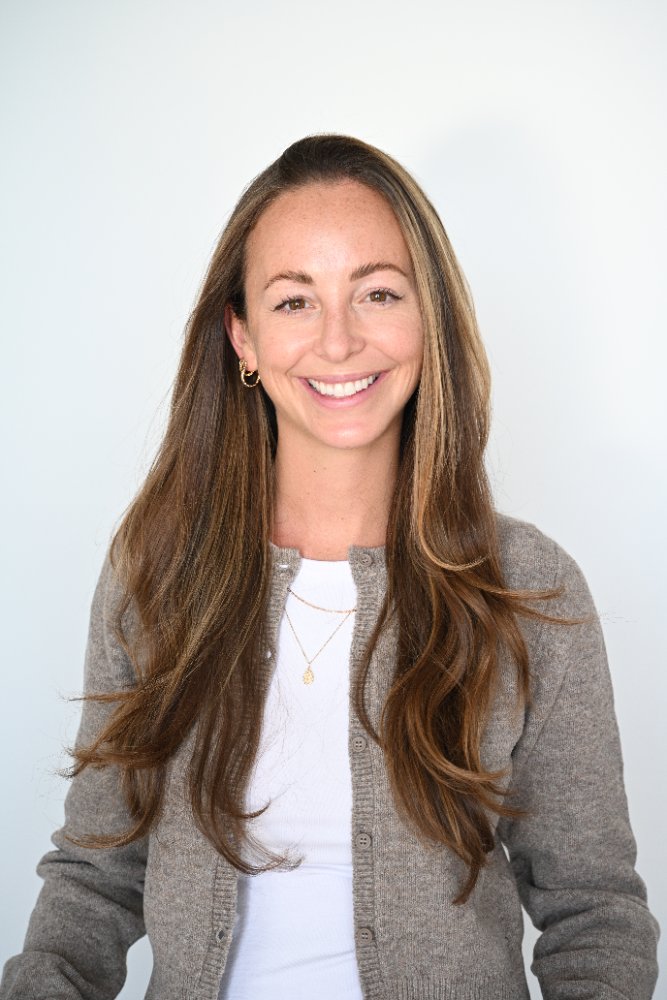
Sarah Katz
Psychotherapist (PsyD)
Marina del Rey, California
Works with: adultsFrom $130View profile →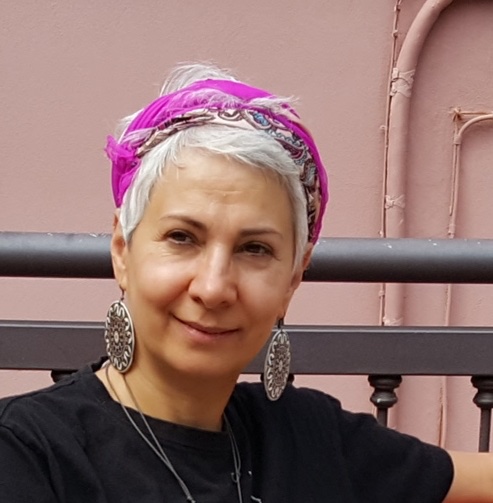
Maryam Forozmand
Jungian Analyst
Vienna, Virginia
Works with: adultsFrom $175View profile →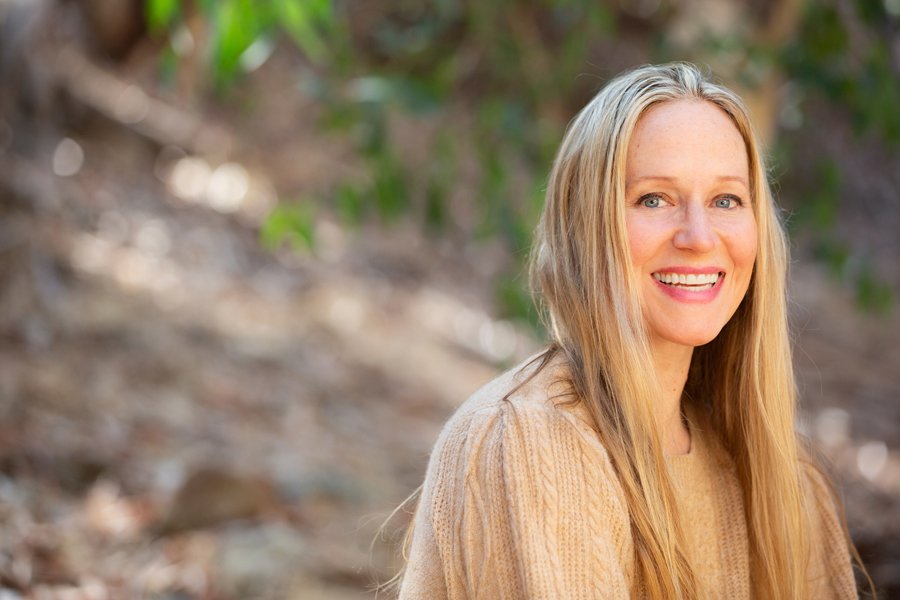
Mandy Pfaff
Psychotherapist
San Diego, California
Works with: children · teens · adultsFrom $195View profile →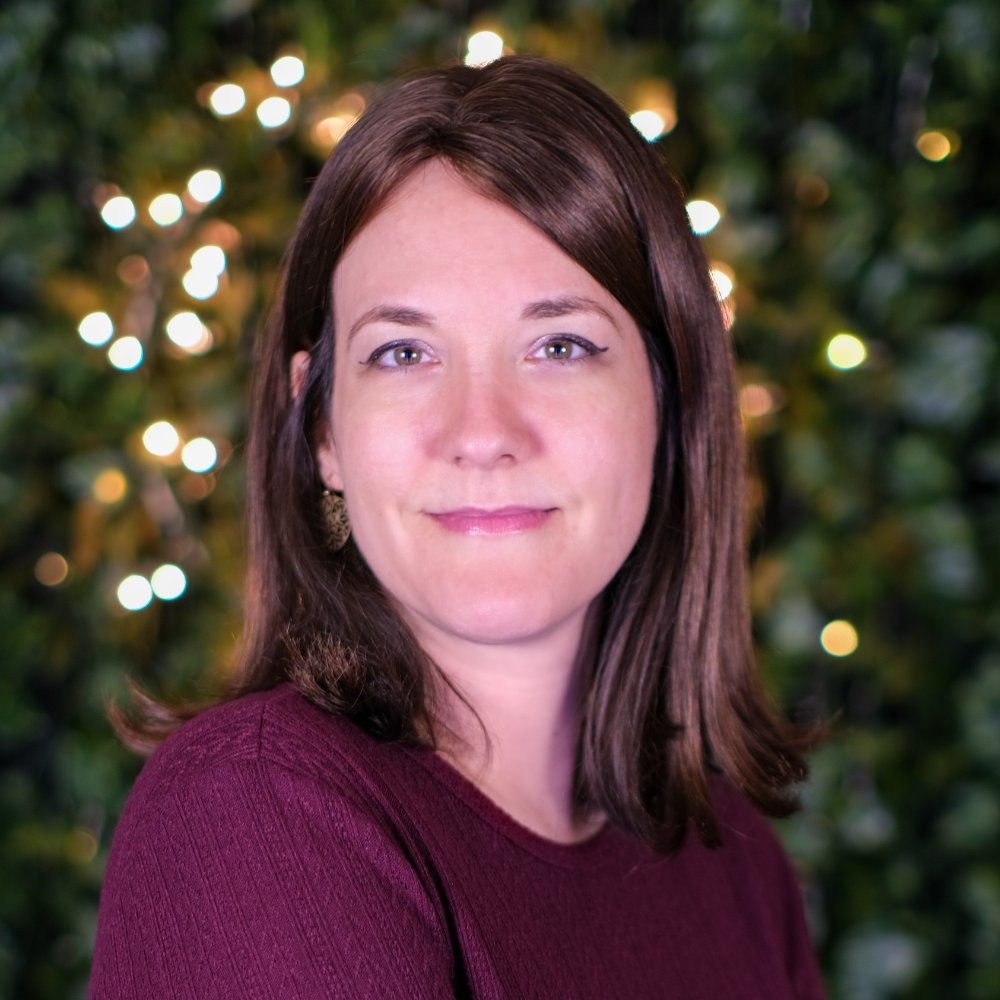
Devon Garza
Counselor (MC, LPC/LPCC)
Phoenix, Arizona
Works with: children · teens · adultsFrom $210View profile →
Frequently Asked Questions about Trichotillomania in California
Find a TherapistHow do I find a trichotillomania therapist near me in California?›
Search the directory by your city or town, or choose Online to see people who work with clients anywhere in California. Every listing shows how the person works, whether they see people in person or online, what they charge, and has a private contact form.
Can I have sessions online from anywhere in California?›
Yes. Anyone licensed in California can see you online wherever you live in the state. California hasn’t joined the agreements that let many clinicians work across state lines, so licensed clinicians outside California usually need a California license. Hypnotherapists, EFT practitioners and coaches aren’t bound by those rules.
How much does trichotillomania therapy cost in California?›
Private sessions usually cost $150–$300, with around $175–$200 typical. Los Angeles and San Francisco run higher, often $200–$350. Every listing shows its own prices, and many people offer a free first call.
What kinds of help are there for hair pulling in California?›
Therapists, counselors, psychologists, CBT therapists, occupational therapists, hypnotherapists, EFT and NLP practitioners, and BFRB coaches all help people who pull. Different people find different things helpful. What they share here is that they understand hair pulling.
Do I need a doctor’s note or a diagnosis to get help in California?›
No. You can contact anyone listed in the directory directly, without a doctor’s note and without a diagnosis. Just say you pull your hair and want someone who understands trichotillomania.
My child pulls their hair. What do I do first?›
Stay steady and don’t tell them off; pressure and punishment reliably make pulling worse. Read The Parent’s Guide to Trichotillomania to understand what your child is going through, then look for someone whose listing says they work with children and teens.
Are there trichotillomania support groups in California?›
A free Bay Area BFRB group meets online for adults, and OCD SoCal runs a free online family group. Most groups meet online right now, and in-person groups in California are still rare. If you run one, tell us and we’ll list it for free.
How common is hair pulling in California?›
Trichotillomania affects about 1 in 50 people, which means hundreds of thousands of Californians. It usually starts around ages 10–13 but can begin at any age. Most people who pull have never knowingly met another person who does. Read our complete guide to trichotillomania.
How to get in touch with a therapist
You can contact anyone listed here directly, today. You don’t need a doctor’s note, and you don’t need a diagnosis. Use the private contact form on their listing, and say what it is: “I pull my hair. I’m looking for someone who understands trichotillomania.” Plain words like that save you from being steered toward general stress or anxiety work.
In California, most people who understand hair pulling practice in Los Angeles, the Bay Area, San Diego, Orange County and Sacramento. If you live in the Central Valley, the Inland Empire, the far north or the Sierra foothills, online sessions are often the most realistic way to find someone who gets it. California hasn’t joined the agreements that let many psychologists and counselors work online across state lines, so a licensed clinician usually needs a California license to see you, wherever they live. Hypnotherapists, EFT practitioners and coaches aren’t bound by those rules.
If you have Medi-Cal or insurance through work, your plan or your county’s behavioral health service can also connect you with someone. That route exists, and it often takes longer, and you usually can’t choose a person who understands hair pulling.
How to choose who to work with
People who pull find help from many directions: therapists, counselors, psychologists, hypnotherapists, EFT and NLP practitioners, occupational therapists and coaches. Different people find different things helpful, and what matters is that the person understands hair pulling and that you feel at ease with them.
If you’d like to check a licensed clinician, California has free public lookups. Psychologists are licensed by the Board of Psychology. Marriage and family therapists (LMFT), clinical social workers (LCSW) and professional clinical counselors (LPCC) are licensed by the Board of Behavioral Sciences. You can search all of them at the California DCA License Search. Many kinds of help, like hypnotherapy, EFT, NLP and coaching, aren’t licensed by the state and belong to their own associations instead.
Everyone on this site has one thing in common: they’ve told us they understand hair pulling. On a first call, you can ask:
- Have you helped people who pull their hair before?
- How do you work? What happens in the first few sessions?
- What if I feel it isn’t right for me?
Charities and groups in California
California has no charity just for hair pulling right now, even though the first US one started here. The Trichotillomania Learning Center, founded in Santa Cruz, later became the TLC Foundation for BFRBs and wound down at the end of 2025. These organizations can help today.
International OCD Foundation (IOCDF)
The main US home for BFRB support (BFRB stands for body-focused repetitive behavior, the group that includes hair pulling and skin picking). It runs online events and keeps a list of support groups, including groups for people who pull.
OCD SoCal
The Southern California branch of the IOCDF, covering Los Angeles, Orange County, the Inland Empire and San Diego. It runs a free online group for family and loved ones and a yearly online conference that covers related conditions.
OCD SF Bay Area
The Bay Area branch of the IOCDF, run by volunteers. It shares information and lists peer support groups around San Francisco, Oakland and San Jose.
NAMI California
The state network of the National Alliance on Mental Illness, based in Sacramento, with local chapters across California. It offers free support and education for individuals and families. It isn’t focused on hair pulling, but it helps with the anxiety and low mood that often come with it.
California Peer-Run Warm Line
A free, confidential line for anyone in California who wants to talk something through with a trained peer, by phone, text or chat. Call or text 855-600-9276. It is not a crisis line.
988 Suicide & Crisis Lifeline
Call or text 988 at any time if distress turns into a crisis.
Support groups in California
Most groups for people who pull meet online right now, and in-person groups in California are still rare. Here’s what we’ve been able to confirm:
- Bay Area BFRB group: a free group for adults (18+) with hair pulling or skin picking, meeting on Zoom every other Wednesday evening and open to anyone in California. It’s listed on the IOCDF’s support group directory.
- OCD SoCal family group: a free monthly online group for family and loved ones. It centers on OCD, but relatives of people with related conditions are welcome.
- IOCDF online groups: the IOCDF lists online BFRB groups for adults, teens and families across US time zones.
For parents: watching your child pull is hard. The Parent’s Guide to Trichotillomania helps you understand what your child is going through.
Do you run a California group? Tell us and we’ll list it for free.
Not all pulling is the same: focused and automatic pulling
People who pull often describe two different kinds of pulling, and many do both.
Automatic pulling happens outside awareness. Your hand drifts to your scalp, eyebrows or lashes while you read, drive, watch something or scroll your phone, and you only notice afterward, when you see the hairs on the desk or the car seat. It tends to happen in still, quiet moments, often at the end of a long day.
Focused pulling feels different. It usually starts with an urge, a tension or a sensation: a hair that feels coarse, kinked or out of place, or a feeling that builds until pulling brings it down. Some people look for a certain kind of hair and feel a sense of relief or “rightness” once it’s out. Some then run the hair across their lips, look closely at the root, or bite it. These after-pulling habits are common, and people rarely talk about them.
Knowing which kind of pulling you do, and when, can make it easier to describe to someone who can help. Neither kind is a bad habit, a lack of willpower or a form of self-harm. Both are part of the same condition, and the mix often changes over the years, with stress, boredom, tiredness or big life changes.
About this page
Sources: International OCD Foundation (including its BFRB support group listings); OCD SoCal; OCD SF Bay Area; NAMI California; Mental Health Association of San Francisco (California Peer-Run Warm Line); 988 Suicide & Crisis Lifeline; California Department of Consumer Affairs License Search, California Board of Psychology, California Board of Behavioral Sciences and Medical Board of California; PSYPACT Commission and Counseling Compact Commission membership lists (2026); published California therapy cost data (2026); histories of the Trichotillomania Learning Center.
Things change. We check this page often, but always check prices and qualifications with the person you contact. This page is information, not medical advice.
Are you a California therapist or practitioner who works with trichotillomania?
Be found by people looking for help with hair pulling across California, in person or online.
About California
California is the most populous state in the US and the third largest by area, stretching more than 800 miles from the Oregon border to Mexico. Its capital is Sacramento, but its most famous cities sit on the coast.
The landscape changes fast. The Sierra Nevada runs down the east side of the state, with Mount Whitney, the highest peak in the lower 48 states, and Death Valley, the lowest point in North America, less than 100 miles apart. The north coast is home to old-growth redwood forests, Big Sur’s cliffs line the Central Coast, and the Central Valley grows a large share of the country’s fruit, nuts and vegetables.
Each big city has its own character. Los Angeles is the home of the film and TV industry and neighborhoods from Venice Beach to Koreatown. San Francisco packs hills, cable cars and Victorian houses onto a small peninsula, with Oakland across the bay and the tech hubs of Silicon Valley and San Jose to the south. San Diego, near the Mexican border, is known for its beaches, its naval history and its mild weather. Napa and Sonoma, north of San Francisco, are among the country’s most famous wine regions.
Attractions in California
Few states pack so much into one place: mountain parks, desert, a long Pacific coastline and cities full of landmarks. These five are spread across the state.
Golden Gate Bridge, San Francisco
The bridge opened in May 1937 and links San Francisco to Marin County across the entrance to San Francisco Bay. Its 4,200-foot main span was the longest of any suspension bridge in the world until 1964. Architect Irving Morrow shaped its Art Deco look and chose its color, International Orange, which stands out against the fog. You can walk or cycle across it.
Griffith Observatory, Los Angeles
Griffith Observatory sits on the southern slope of Mount Hollywood in Griffith Park and opened in 1935, paid for by a gift from Griffith J. Griffith. He asked that it be free to the public, and entry to the building is still free. More people have looked through its Zeiss telescope than through any other on Earth, and its terraces give some of the clearest views of the Hollywood Sign.
Balboa Park, San Diego
Balboa Park covers about 1,200 acres near downtown San Diego and was first set aside by the city in 1868. Many of its Spanish Colonial Revival buildings, including the California Tower, were built for the 1915–1916 Panama-California Exposition. Today it holds more than a dozen museums, gardens, the Botanical Building and its lily pond, and the San Diego Zoo.
Hearst Castle, San Simeon
Newspaper publisher William Randolph Hearst built this hilltop estate on the Central Coast between 1919 and 1947 with architect Julia Morgan, the first woman licensed as an architect in California. The main house, Casa Grande, has 115 rooms and holds Hearst’s art collection, alongside guesthouses, gardens and the marble Neptune Pool. It is now run by California State Parks and seen on guided tours.
Yosemite National Park, Sierra Nevada
In 1864, President Lincoln signed the Yosemite Grant to protect Yosemite Valley and the Mariposa Grove of giant sequoias, and the area became a national park in 1890. Glaciers carved the valley’s granite walls, including El Capitan and Half Dome. Yosemite Falls drops 2,425 feet in three sections, making it the tallest waterfall in North America.
Browse by state
- Alabama
- Alaska
- Arizona
- Arkansas
- California
- Colorado
- Connecticut
- Delaware
- Florida
- Georgia
- Hawaii
- Idaho
- Illinois
- Indiana
- Iowa
- Kansas
- Kentucky
- Louisiana
- Maine
- Maryland
- Massachusetts
- Michigan
- Minnesota
- Mississippi
- Missouri
- Montana
- Nebraska
- Nevada
- New Hampshire
- New Jersey
- New Mexico
- New York
- North Carolina
- North Dakota
- Ohio
- Oklahoma
- Oregon
- Pennsylvania
- Rhode Island
- South Carolina
- South Dakota
- Tennessee
- Texas
- Utah
- Vermont
- Virginia
- Washington
- West Virginia
- Wisconsin
- Wyoming
- Washington DC