
Trichotillomania Support in Florida
Find a therapist in Florida who understands trichotillomania. Whether you pull your own hair or you’re supporting a child or someone you love, search by city or town, from Pensacola to Miami, for someone near you, or choose Online to see who works with people anywhere in Florida.
Find a therapist for trichotillomania in Florida
Florida gives you more reach than most states when you look for help. It has joined both agreements that let many psychologists and counselors in other states work with Floridians online. It also runs its own registration so licensed clinicians from across the US can see Floridians by video. The hard part is finding someone who understands hair pulling, and it’s the reason this directory exists.
The directory includes therapists, counselors, psychologists, psychotherapists, CBT therapists, occupational therapists, hypnotherapists, EFT and NLP practitioners, and BFRB coaches (BFRB stands for body-focused repetitive behavior, the group that includes hair pulling and skin picking). Different people find different things helpful. Every listing explains how that person works, whether they see people in person, online or both, what they charge, and has a private contact form. If you live in the Panhandle, the Big Bend or the Heartland, far from the big metro areas, online sessions mean you can still work with someone who gets it.
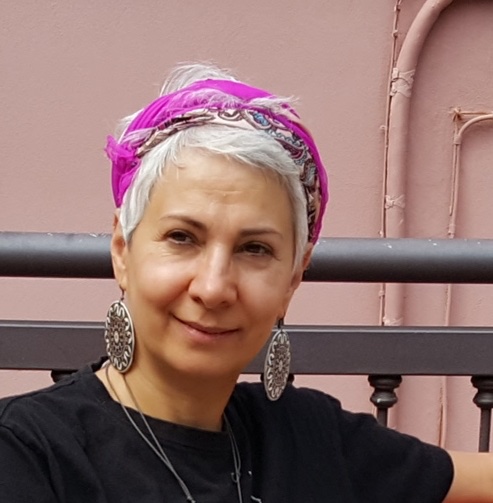
Maryam Forozmand
Jungian Analyst
Vienna, Virginia
Works with: adultsFrom $175View profile →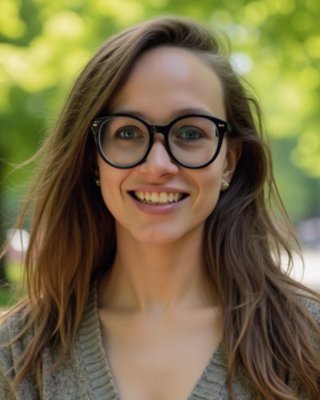
Jenna Stone
Psychotherapist (LCSW-C)
Columbia, Maryland
Works with: teens · adultsFrom $265View profile →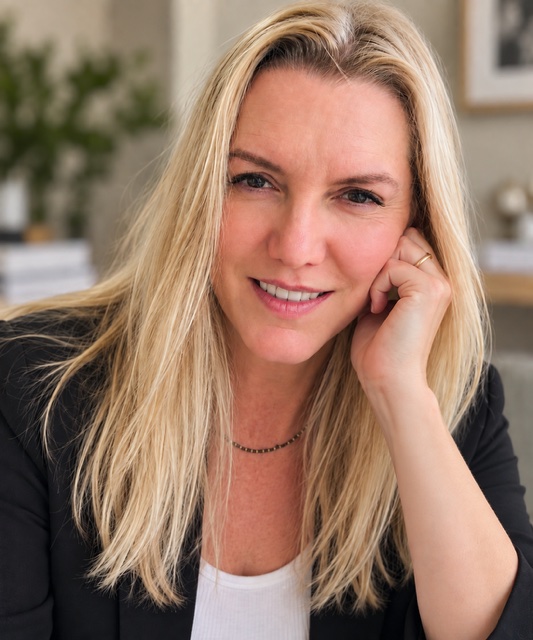
Adria Hagg
CBT Therapist (LMSW, LCSW)
Northville, Michigan
Works with: adultsFrom $185View profile →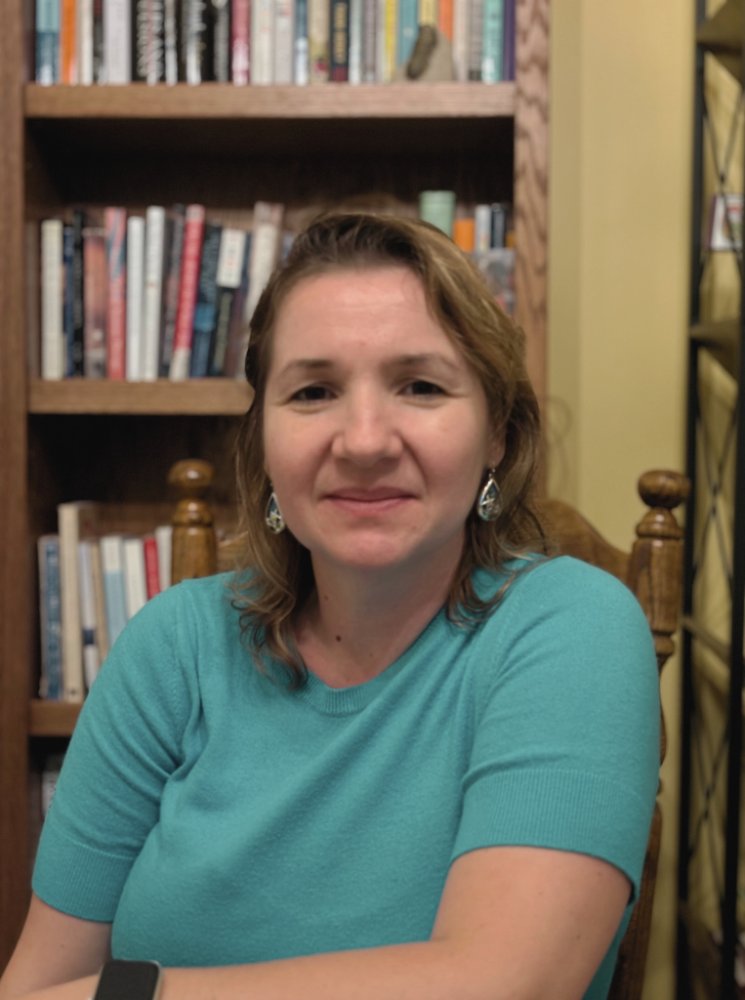
Liliana's Practice, LLC
Psychotherapist (LCSW)
Newington, Connecticut
Works with: teens · adultsFrom $130View profile →
Frequently Asked Questions about Trichotillomania in Florida
Find a TherapistHow do I find a trichotillomania therapist near me in Florida?›
Search the directory by your city or town, or choose Online to see people who work with clients anywhere in Florida. Every listing shows how the person works, whether they see people in person or online, what they charge, and has a private contact form.
Can I have sessions online from anywhere in Florida?›
Yes. Anyone licensed in Florida can see you online wherever you live in the state. Many licensed clinicians in other states can also work with Floridians online, through agreements Florida has joined or through its own registration. EFT practitioners and coaches aren’t bound by these rules.
How much does trichotillomania therapy cost in Florida?›
Private sessions usually cost $100–$200, with around $150 typical. Miami, Fort Lauderdale and Palm Beach run higher, often $150–$300. Every listing shows its own prices, and many people offer a free first call.
What kinds of help are there for hair pulling in Florida?›
Therapists, counselors, psychologists, CBT therapists, occupational therapists, hypnotherapists, EFT and NLP practitioners, and BFRB coaches all help people who pull. Different people find different things helpful. What they share here is that they understand hair pulling.
Do I need a doctor’s note or a diagnosis to get help in Florida?›
No. You can contact anyone listed in the directory directly, without a doctor’s note and without a diagnosis. Just say you pull your hair and want someone who understands trichotillomania.
My child pulls their hair. What do I do first?›
Stay steady and don’t tell them off; pressure and punishment reliably make pulling worse. Read The Parent’s Guide to Trichotillomania to understand what your child is going through, then look for someone whose listing says they work with children and teens.
Are there trichotillomania support groups in Florida?›
We haven’t confirmed an in-person hair pulling group in Florida yet. OCD Jacksonville and local NAMI affiliates run free groups for related conditions and for families, and the IOCDF lists online BFRB groups. If you run one, tell us and we’ll list it for free.
How common is hair pulling in Florida?›
Trichotillomania affects about 1 in 50 people, which means hundreds of thousands of Floridians. It usually starts around ages 10–13 but can begin at any age. Most people who pull have never knowingly met another person who does. Read our complete guide to trichotillomania.
How to get in touch with a therapist
You can contact anyone listed here directly, today. You don’t need a doctor’s note, and you don’t need a diagnosis. Use the private contact form on their listing, and say what it is: “I pull my hair. I’m looking for someone who understands trichotillomania.” Plain words like that save you from being steered toward general stress or anxiety work. If you’d rather talk in Spanish, Haitian Creole or another language, say so in the same message.
In Florida, most people who understand hair pulling practice in South Florida, Tampa Bay, Orlando, Jacksonville and Gainesville. In the Panhandle, the Big Bend, the Heartland and the Keys, online sessions are often the most realistic way to find someone who gets it. Licensed clinicians in other states can work with Floridians online through those agreements or through Florida’s own registration. EFT practitioners and coaches aren’t bound by these licensing rules.
If you have insurance or Medicaid, your plan or a local community mental health center can also connect you with someone. That route exists, and it often takes longer, and you usually can’t choose a person who understands hair pulling.
How to choose who to work with
People who pull find help from many directions: therapists, counselors, psychologists, hypnotherapists, EFT and NLP practitioners, occupational therapists and coaches. Different people find different things helpful, and what matters is that the person understands hair pulling and that you feel at ease with them.
If you’d like to check a licensed clinician, Florida has one free public lookup for all of them, the Florida Department of Health license search. Psychologists are licensed by the Board of Psychology. Mental health counselors (Florida uses LMHC rather than LPC), clinical social workers (LCSW) and marriage and family therapists (LMFT) share one board. Many kinds of help, like EFT, NLP and coaching, aren’t licensed by the state and belong to their own associations instead. Florida also has a law on hypnosis used for health reasons: it’s done by a licensed practitioner or by someone working under one’s direction. A hypnotherapist can tell you how they work within it.
Everyone on this site has one thing in common: they’ve told us they understand hair pulling. On a first call, you can ask:
- Have you helped people who pull their hair before?
- How do you work? What happens in the first few sessions?
- What if I feel it isn’t right for me?
Charities and groups in Florida
Florida has no charity just for hair pulling right now. Two volunteer-run branches of the International OCD Foundation cover much of the state, and these organizations can help today.
International OCD Foundation (IOCDF)
The main US home for BFRB support, including hair pulling and skin picking. It runs online events and keeps a list of support groups, including groups for people who pull.
OCD Central & South Florida
The IOCDF’s volunteer-run branch for central and southern Florida, founded in 2016. It runs awareness events, talks and an OCD Walk. Its focus is OCD, but its events are open to people with related conditions and their families.
OCD Jacksonville
The IOCDF’s branch for Northeast Florida. It shares local information and runs free peer-led groups on Zoom for adults and for families.
NAMI Florida
The state network of the National Alliance on Mental Illness, with local affiliates across Florida. It offers free support groups and classes for individuals and families. It isn’t focused on hair pulling, but it helps with the anxiety and low mood that often come with it.
988 Suicide & Crisis Lifeline
Call or text 988 at any time if distress turns into a crisis.
Support groups in Florida
Most groups for people who pull meet online right now, and we haven’t been able to confirm an in-person group for hair pulling in Florida. Here’s what we can confirm:
- IOCDF groups: the IOCDF’s support group directory lists BFRB groups, and many of them meet online.
- OCD Jacksonville groups: free peer-led groups on Zoom for adults and for families and caregivers. They center on OCD and anxiety, so ask whether hair pulling fits before you join.
- NAMI Florida groups: local NAMI affiliates run free peer and family support groups across the state. They aren’t about hair pulling, but they welcome anyone living with a mental health condition and their families.
For parents: watching your child pull is hard. The Parent’s Guide to Trichotillomania helps you understand what your child is going through.
Do you run a Florida group? Tell us and we’ll list it for free.
Hiding hair loss in the Florida heat
Most people who pull spend a lot of energy hiding it. They style their hair to cover thin patches, fill in eyebrows with makeup, wear false lashes, hats, headbands, scarves or hairpieces, and plan their days around not being seen up close. Many can tell you exactly which angles, lights and mirrors to avoid.
In Florida, that work can be harder. Heat and humidity loosen styling and smudge makeup, and a hat or wig gets uncomfortable fast. Beach days, pool parties, swim lessons with the kids and windy boat rides all bring water or wind that can undo careful cover-ups. Some people turn down invitations because of it, or go along and stay on guard the entire time.
Hiding makes sense. It protects you from questions and stares. But it has a cost. It keeps the condition secret, which feeds the shame, and it can make the first conversation with someone who can help feel much bigger than it is. Many people who pull say the tiredness from hiding weighs on them as much as the pulling itself.
None of this is vanity, and none of it is a sign of weakness. Hiding is one of the most common parts of living with trichotillomania, and someone who understands hair pulling won’t be surprised by any of it.
About this page
Sources: International OCD Foundation (including its local affiliates and support group listings); OCD Central & South Florida; OCD Jacksonville; NAMI Florida; 988 Suicide & Crisis Lifeline; Florida Department of Health license verification, Florida Board of Psychology and Florida Board of Clinical Social Work, Marriage & Family Therapy and Mental Health Counseling; Section 456.47, Florida Statutes, and FL HealthSource (out-of-state telehealth provider registration); Chapter 485, Florida Statutes; PSYPACT Commission and Counseling Compact Commission membership (2026); published Florida therapy cost data (2026).
Things change. We check this page often, but always check prices and qualifications with the person you contact. This page is information, not medical advice.
Are you a Florida therapist or practitioner who works with trichotillomania?
Be found by people looking for help with hair pulling across Florida, in person or online.
About Florida
Florida is the third most populous state in the US, a long peninsula between the Atlantic Ocean and the Gulf, with a panhandle stretching west along the Gulf Coast. Its capital is Tallahassee, and its largest city by population is Jacksonville.
Water shapes almost everything here. Florida has the longest coastline of any state in the lower 48, more than 1,000 freshwater springs, and the Everglades, a slow-moving river of sawgrass that flows south from Lake Okeechobee toward Florida Bay. The Keys trail off the southern tip, linked by the Overseas Highway all the way to Key West.
Each region has its own feel. Miami has strong ties to Latin America and the Caribbean, with neighborhoods like Little Havana and the Art Deco district of Miami Beach. Orlando is known worldwide for its theme parks, while Tampa and St. Petersburg share Tampa Bay on the Gulf Coast. Jacksonville and St. Augustine anchor the northeast, Gainesville is home to the University of Florida, and the Panhandle is known for white-sand beaches around Pensacola and Destin.
Attractions in Florida
Florida draws people for its beaches, but it also holds centuries of history, a remarkable art collection and wetlands unlike anywhere else in the country. These five are spread across the state.
Castillo de San Marcos, St. Augustine
Spain built this star-shaped fort on Matanzas Bay between 1672 and 1695 to guard St. Augustine, founded in 1565. It is the oldest masonry fort in the continental United States. Its walls are made of coquina, a local stone of packed shells that absorbed cannon fire instead of shattering. The National Park Service runs it today, with exhibits in the old storerooms around the courtyard and wide views from the gun deck.
Vizcaya Museum and Gardens, Miami
Industrialist James Deering built this winter estate on Biscayne Bay in Coconut Grove between 1914 and 1922, modeled on the country villas of northern Italy. Designer Paul Chalfin, architect F. Burrall Hoffman and landscape architect Diego Suarez shaped the house and its formal gardens. The rooms are filled with European furniture and art from the 15th to the 19th centuries. Vizcaya is a National Historic Landmark and has been a public museum since the 1950s.
Kennedy Space Center Visitor Complex, Merritt Island
The visitor complex sits beside NASA’s main launch site on the Space Coast. Its centerpiece is Space Shuttle Atlantis, which flew 33 missions and hangs with its payload bay doors open, as if still in orbit, in a building that opened in 2013. A bus tour runs inside NASA’s gates to the Apollo/Saturn V Center, where a restored 363-foot Saturn V moon rocket is displayed on its side.
The Dalí Museum, St. Petersburg
The Dalí holds the largest collection of Salvador Dalí‘s work outside Europe, gathered over decades by Ohio collectors Reynolds and Eleanor Morse. The first museum opened in 1982 in a converted waterfront warehouse. Its current building, designed by Yann Weymouth and opened in 2011, has 18-inch hurricane-proof walls with a free-form glass bubble, known as the Enigma, bursting out of them. The Enigma is made of 1,062 triangular panes of glass.
Everglades National Park, South Florida
Everglades National Park was established in 1947 and covers about 1.5 million acres of sawgrass marsh, mangrove forest and cypress across Miami-Dade, Monroe and Collier counties. It was the first US national park created to protect a living ecosystem rather than scenery. It is a UNESCO World Heritage Site and one of the few places where American alligators and American crocodiles live side by side. Visitors come for boardwalk trails, canoe routes and wading birds.
Browse by state
- Alabama
- Alaska
- Arizona
- Arkansas
- California
- Colorado
- Connecticut
- Delaware
- Florida
- Georgia
- Hawaii
- Idaho
- Illinois
- Indiana
- Iowa
- Kansas
- Kentucky
- Louisiana
- Maine
- Maryland
- Massachusetts
- Michigan
- Minnesota
- Mississippi
- Missouri
- Montana
- Nebraska
- Nevada
- New Hampshire
- New Jersey
- New Mexico
- New York
- North Carolina
- North Dakota
- Ohio
- Oklahoma
- Oregon
- Pennsylvania
- Rhode Island
- South Carolina
- South Dakota
- Tennessee
- Texas
- Utah
- Vermont
- Virginia
- Washington
- West Virginia
- Wisconsin
- Wyoming
- Washington DC