
Trichotillomania Support in Colorado
Find a therapist in Colorado who understands trichotillomania. Whether you pull your own hair or you’re supporting a child or someone you love, search by city or town, from Fort Collins to Colorado Springs, for someone near you, or choose Online to see who works with people anywhere in Colorado.
Find a therapist for trichotillomania in Colorado
Almost nine in ten Coloradans live along the Front Range, from Fort Collins down to Pueblo, and that’s where most practitioners work too. If you live on the Western Slope, in the San Luis Valley or out on the Eastern Plains, the nearest person who understands hair pulling may be a mountain pass away. Finding the right person is the hard part, and it’s the reason this directory exists.
The directory includes therapists, counselors, psychologists, psychotherapists, CBT therapists, occupational therapists, hypnotherapists, EFT and NLP practitioners, and BFRB coaches. Different people find different things helpful. Every listing explains how that person works, whether they see people in person, online or both, what they charge, and has a private contact form. If you live far from Denver or Colorado Springs, you can see who works online across Colorado. New people join regularly.
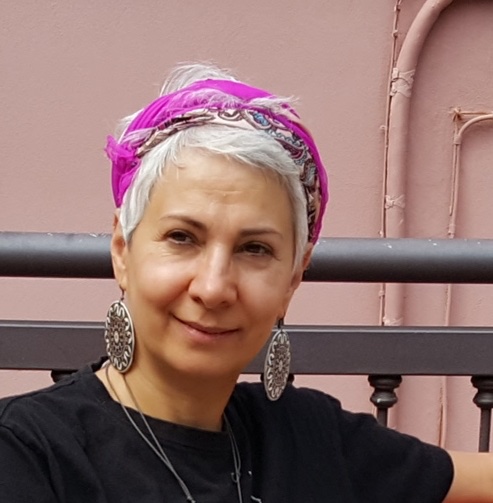
Maryam Forozmand
Jungian Analyst
Vienna, Virginia
Works with: adultsFrom $175View profile →
Adria Hagg
CBT Therapist (LMSW, LCSW)
Northville, Michigan
Works with: adultsFrom $185View profile →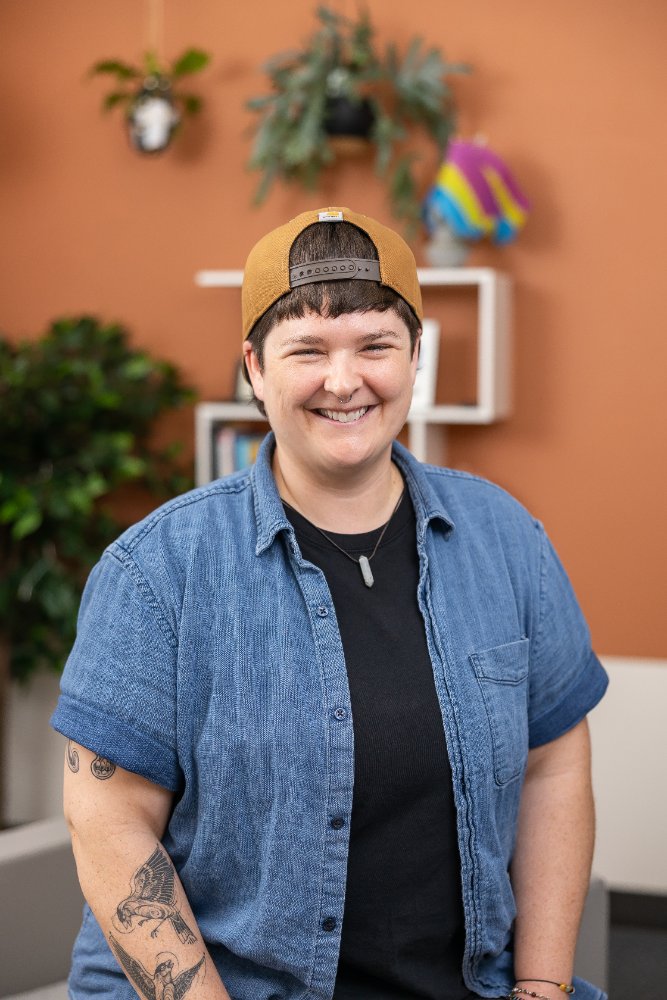
Ray Findley
Psychotherapist (LCSW)
Seattle, Washington
Works with: teens · adultsFrom $195View profile →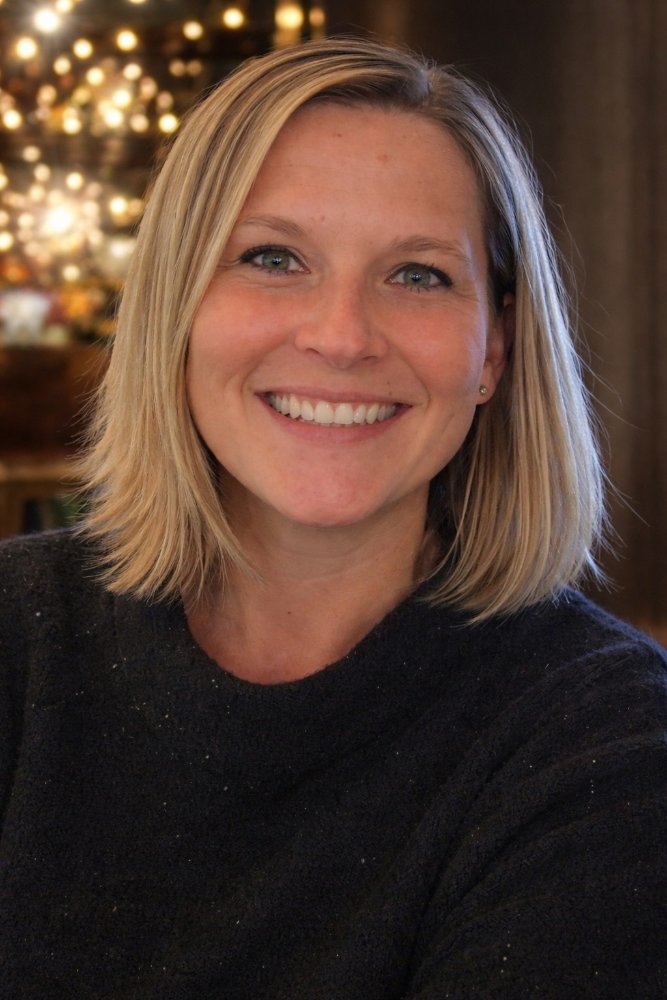
Amy Windschitl
Psychotherapist
Broomfield, Colorado
Works with: teens · adultsFrom $185View profile →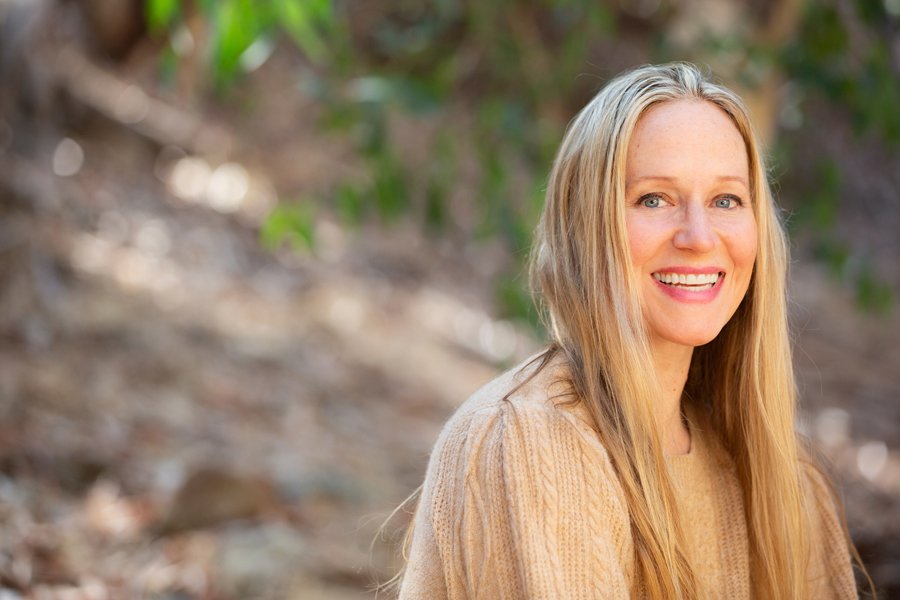
Mandy Pfaff
Psychotherapist
San Diego, California
Works with: children · teens · adultsFrom $195View profile →
Cherie Couvillon
Psychotherapist
Boulder, Colorado
Works with: adultsFrom $175View profile →
Frequently Asked Questions about Trichotillomania in Colorado
Find a TherapistHow do I find a trichotillomania therapist near me in Colorado?›
Search the directory by your city or town, or choose Online to see people who work with clients anywhere in Colorado. Every listing shows how the person works, whether they see people in person or online, what they charge, and has a private contact form.
Can I have sessions online from anywhere in Colorado?›
Yes. Anyone licensed in Colorado can see you online wherever you live in the state, and Colorado’s agreement with other states lets many licensed psychologists based elsewhere work with you too. Hypnotherapists, EFT practitioners and coaches aren’t bound by those rules.
How much does trichotillomania therapy cost in Colorado?›
Private sessions in Colorado usually cost $120–$250, with around $150–$175 typical. Denver and Boulder tend to sit at the higher end. Every listing shows its own prices, and many people offer a free first call.
What kinds of help are there for hair pulling in Colorado?›
Coloradans who pull work with therapists, counselors, psychologists, CBT therapists, occupational therapists, hypnotherapists, EFT and NLP practitioners, and BFRB coaches. Different people find different things helpful. What everyone listed here shares is that they understand hair pulling.
Do I need a doctor’s note or a diagnosis to get help in Colorado?›
No. You can contact anyone listed in the directory directly, without a doctor’s note and without a diagnosis. Just say you pull your hair and want someone who understands trichotillomania.
My child pulls their hair. What do I do first?›
Stay steady and don’t tell them off; pressure and punishment reliably make pulling worse. Read The Parent’s Guide to Trichotillomania to understand what your child is going through, then look for someone whose listing says they work with children and teens.
Are there trichotillomania support groups in Colorado?›
We haven’t found an in-person hair pulling group in Colorado right now. Free online BFRB groups through the International OCD Foundation are open to Coloradans, and NAMI Colorado runs general peer groups online and in person. If you run one, tell us and we’ll list it for free.
How common is hair pulling in Colorado?›
Trichotillomania affects about 1 in 50 people, which means tens of thousands of Coloradans. It usually starts around ages 10–13 but can begin at any age. Most people who pull have never knowingly met another person who does. Read our complete guide to trichotillomania.
How to get in touch with a therapist
You can contact anyone listed here directly, today. You don’t need a doctor’s note, and you don’t need a diagnosis. Use the private contact form on their listing, and say what it is: “I pull my hair. I’m looking for someone who understands trichotillomania.”
In Colorado, most people who understand hair pulling practice in the Denver metro area, Boulder, Fort Collins and Colorado Springs. Grand Junction is the main center on the Western Slope, but in mountain towns, the San Luis Valley and the Eastern Plains, choices are thin and winter roads can make a weekly trip hard. Online sessions mean you can work with someone who gets it from home, whatever the weather on the passes.
Colorado was one of the first states to join the agreement that lets psychologists work online across state lines, and a newer one for counselors is still rolling out. Hypnotherapists, EFT practitioners and coaches aren’t bound by these rules.
Health First Colorado (the state’s Medicaid program) or insurance through work can also connect you with someone. That route exists, but it often takes longer and you usually can’t choose a person who understands hair pulling.
How to choose who to work with
People who pull find help from many directions: therapists, counselors, psychologists, hypnotherapists, EFT and NLP practitioners, occupational therapists and coaches. Different people find different things helpful.
If you’d like to check a licensed clinician, use the free Verify a License search from the Colorado Division of Professions and Occupations. It covers psychologists, licensed professional counselors (LPC), clinical social workers (LCSW) and marriage and family therapists (LMFT). Colorado also keeps an unusual state register of psychotherapists who practice without a license. It closed to new names in 2022, so some long-established practitioners still use the title “Unlicensed Psychotherapist.” Many other kinds of help, like hypnotherapy, EFT, NLP and coaching, belong to their own associations instead.
Everyone on this site has one thing in common: they’ve told us they understand hair pulling. On a first call, you can ask:
- Have you helped people who pull their hair before?
- How do you work? What happens in the first few sessions?
- What if I feel it isn’t right for me?
Charities and groups in Colorado
Colorado has no charity just for hair pulling or skin picking, but it does have a Denver-based OCD organization that covers related conditions, and statewide mental health support.
International OCD Foundation (IOCDF)
The main US home for BFRB support (BFRB stands for body-focused repetitive behavior, the group that includes hair pulling and skin picking). It runs online events and keeps a directory of support groups, including online groups for people who pull.
OCD Colorado
Colorado’s official IOCDF affiliate, based in Denver and run by volunteers. It raises awareness of OCD and related conditions, offers free talks that are open to the public, and helps organize the Denver OCD Walk. It doesn’t offer therapy itself.
NAMI Colorado
The state organization of the National Alliance on Mental Illness, working through local affiliates from Denver and Boulder to the Western Slope. Its free peer groups and family classes aren’t about hair pulling, but they’re open to anyone living with a mental health condition and the people close to them.
988 Colorado Mental Health Line
Free, confidential support 24 hours a day from anywhere in Colorado. Call or text 988, or chat online. The old Colorado Crisis Services number, 1-844-493-8255, now connects to the same line.
Support groups in Colorado
We haven’t found an in-person group just for hair pulling anywhere in Colorado right now. Most people who want to meet others who pull do it online, and there are good options:
- IOCDF online BFRB groups: free, peer-led video groups for adults who pull or pick, listed in the IOCDF support group directory. They run on US time zones, so Mountain Time evenings are easy to find.
- NAMI Colorado Connection groups: free peer-led groups for adults with any mental health condition, meeting online on weekday evenings and in person through local affiliates.
For parents: The Parent’s Guide to Trichotillomania helps you understand what your child is going through.
Do you run a Colorado group? Tell us and we’ll list it for free.
Why hair pulling often runs in families
Many people who pull find out, sometimes years later, that they aren’t the only one in their family. A parent quietly pulled their eyebrows as a teenager. A cousin picks their skin. A grandmother always wore a scarf. Because pulling is so often hidden, these family links tend to come out only when someone finally says the word out loud.
Studies of families and of twins suggest that genes play a part in trichotillomania. What seems to be passed down isn’t pulling itself, but a tendency toward body-focused repetitive behaviors in general. That’s why one relative may pull their hair while another bites their nails, chews the inside of their cheek or picks at their skin.
Knowing this can change how a family talks about it. Pulling isn’t caused by bad parenting, and a child who pulls isn’t copying anyone. For a parent who pulled, seeing it in their child can bring back old shame, but it can also mean they understand better than anyone how it feels. For an adult who pulls, learning that a relative did too often makes the condition feel less strange and less lonely.
It works the other way too. Plenty of people who pull have no relative who does, and plenty of families never see it in anyone else. A family link is one piece of the picture, not a prediction about who will pull next.
About this page
Sources: PSYPACT Commission and ASPPB; Colorado General Assembly (SB22-077) and Counseling Compact Commission; Colorado Division of Professions and Occupations, including the State Board of Psychologist Examiners and the State Board of Unlicensed Psychotherapists; International OCD Foundation (including its support group directory); OCD Colorado; NAMI Colorado; 988 Colorado Mental Health Line and the Colorado Behavioral Health Administration; published Denver and Colorado therapy cost data (2026); U.S. Census Bureau.
Things change. We check this page often, but always check prices and qualifications with the person you contact. This page is information, not medical advice.
Are you a Colorado therapist or practitioner who works with trichotillomania?
Be found by people looking for help with hair pulling across Colorado, in person or online.
About Colorado
Colorado is the highest state in the country on average, a place where the Great Plains run straight into the Rocky Mountains. Its capital, Denver, is known as the Mile High City, and most Coloradans live along the Front Range, the line of cities at the foot of the mountains.
The Continental Divide runs down the middle of the state, and more than 50 peaks rise above 14,000 feet. Rocky Mountain National Park sits above Estes Park, while ski towns such as Vail, Aspen and Breckenridge fill the high valleys. West of the mountains, the Western Slope turns to red rock canyons and orchards around Grand Junction and Palisade, and Durango sits in the far southwest near the San Juan Mountains.
Each Front Range city has its own feel. In Denver, LoDo grew up around Union Station and Coors Field, and RiNo is known for its street murals and breweries. Boulder is a university town beneath the Flatirons, with the Pearl Street pedestrian mall at its heart. Colorado Springs sits at the foot of Pikes Peak, and Fort Collins, home to Colorado State University, has a historic Old Town.
Attractions in Colorado
From a gold-domed capitol to ancient cliff dwellings and the tallest sand dunes in North America, Colorado’s most famous sights are spread right across the state.
Colorado State Capitol, Denver
Designed by Elijah E. Myers and built from Colorado white granite, the Capitol opened in 1894. Its dome was first covered in gold leaf in 1908 to honor the state’s gold rush. Inside, the walls are lined with Colorado Rose Onyx, a rare stone from a quarry near Beulah that was used up in the building. On the west steps, markers show where you stand one mile above sea level.
Red Rocks Park and Amphitheatre, Morrison
In the foothills west of Denver, this open-air amphitheatre sits between two huge sandstone monoliths, Ship Rock and Creation Rock. Young men from the Civilian Conservation Corps built it, largely with picks and shovels, during the Great Depression, and it was dedicated in June 1941. Its 9,525 seats are carved into the hillside, with views across the plains to the Denver skyline.
Garden of the Gods, Colorado Springs
Towering red sandstone fins rise here against a backdrop of Pikes Peak. In 1909, the children of railroad owner Charles Elliott Perkins gave his 480 acres to the City of Colorado Springs, on the condition that the park stay free to the public. It has since grown to more than 1,300 acres, is a National Natural Landmark, and entry is still free.
Mesa Verde National Park, southwest Colorado
Mesa Verde became a national park in 1906, the first in the world created to protect archaeological sites, and a UNESCO World Heritage Site in 1978. Ancestral Pueblo people farmed the mesa tops for centuries and, in the late 1100s and 1200s, built around 600 stone dwellings into the canyon walls. The largest, Cliff Palace, has about 150 rooms and can be seen on ranger-guided tours.
Great Sand Dunes National Park and Preserve, San Luis Valley
The tallest sand dunes in North America rise here at the foot of the Sangre de Cristo Mountains, with Star Dune reaching about 750 feet from base to crest. The dunes were first protected as a national monument in 1932 and became a national park in 2004. In late spring, the shallow waters of Medano Creek flow along the edge of the dune field.
Browse by state
- Alabama
- Alaska
- Arizona
- Arkansas
- California
- Colorado
- Connecticut
- Delaware
- Florida
- Georgia
- Hawaii
- Idaho
- Illinois
- Indiana
- Iowa
- Kansas
- Kentucky
- Louisiana
- Maine
- Maryland
- Massachusetts
- Michigan
- Minnesota
- Mississippi
- Missouri
- Montana
- Nebraska
- Nevada
- New Hampshire
- New Jersey
- New Mexico
- New York
- North Carolina
- North Dakota
- Ohio
- Oklahoma
- Oregon
- Pennsylvania
- Rhode Island
- South Carolina
- South Dakota
- Tennessee
- Texas
- Utah
- Vermont
- Virginia
- Washington
- West Virginia
- Wisconsin
- Wyoming
- Washington DC