
Trichotillomania Support in Massachusetts
Find a therapist in Massachusetts who understands trichotillomania. Whether you pull your own hair or you’re supporting a child or someone you love, search by city or town, from Boston to Springfield, for someone near you, or choose Online to see who works with people anywhere in Massachusetts.
Find a therapist for trichotillomania in Massachusetts
The International OCD Foundation, the main US home for people who pull, is based in Boston. Yet finding someone nearby who understands hair pulling is still hard, especially outside Greater Boston. That gap is the reason this directory exists.
The directory includes therapists, counselors, psychologists, psychotherapists, CBT therapists, occupational therapists, hypnotherapists, EFT and NLP practitioners, and BFRB coaches. Every listing explains how that person works, whether they see people in person, online or both, and what they charge. Each one has a private contact form. From the Berkshires to the Cape, many people listed also work online.
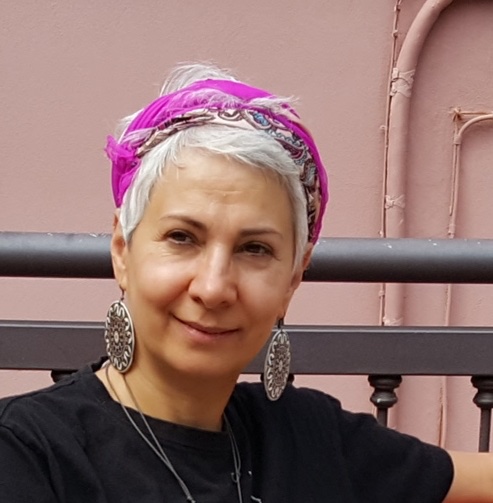
Maryam Forozmand
Jungian Analyst
Vienna, Virginia
Works with: adultsFrom $175View profile →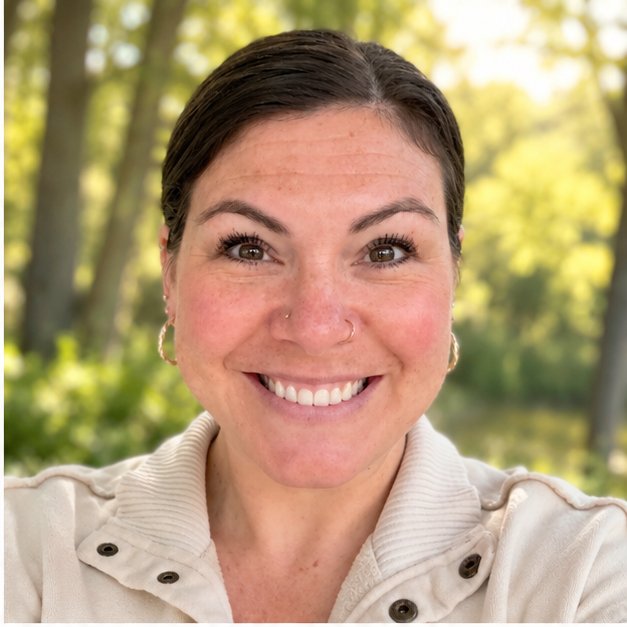
Colleen McCormick
Board Certified Behavior Analyst (BCBA)
Cheshire, Connecticut
Works with: children · teens · adultsFrom $110View profile →
Jayme Valdez
Counselor (LMHC)
Sudbury, Massachusetts
Works with: children · teens · adultsFrom $60View profile →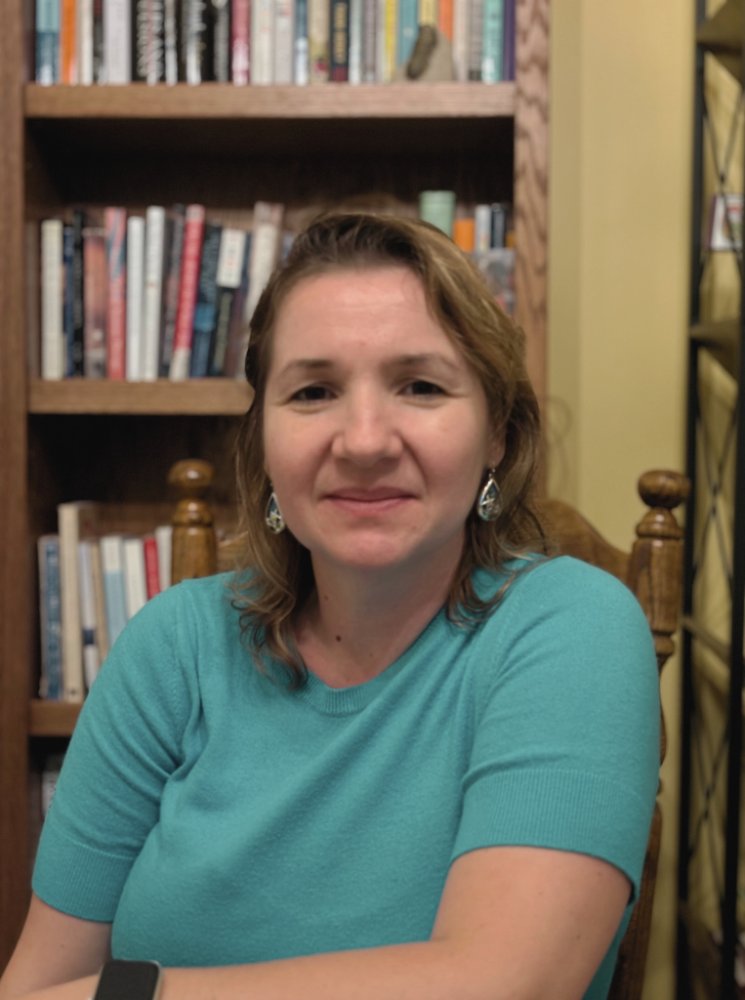
Liliana's Practice, LLC
Psychotherapist (LCSW)
Newington, Connecticut
Works with: teens · adultsFrom $130View profile →
Frequently Asked Questions about Trichotillomania in Massachusetts
Find a TherapistHow do I find a trichotillomania therapist near me in Massachusetts?›
Search the directory by your city or town, or choose Online to see people who work with clients anywhere in Massachusetts. Every listing shows how the person works, whether they see people in person or online, what they charge, and has a private contact form.
Can I have sessions online from anywhere in Massachusetts?›
Yes. Anyone licensed in Massachusetts can see you online wherever you live in the state. Massachusetts hasn’t yet joined the agreements that let psychologists and counselors from other states work with you online. Hypnotherapists, EFT practitioners and coaches aren’t bound by these rules.
How much does trichotillomania therapy cost in Massachusetts?›
Private sessions usually cost $130–$275, with around $160–$200 typical. Boston and Cambridge run highest, often $200 or more. Every listing shows its own prices, and many people offer a free first call.
What kinds of help are there for hair pulling in Massachusetts?›
Therapists, counselors, psychologists, CBT therapists, occupational therapists, hypnotherapists, EFT and NLP practitioners, and BFRB coaches all help people who pull. Different people find different things helpful. What they share here is that they understand hair pulling.
Do I need a doctor’s note or a diagnosis to get help in Massachusetts?›
No. You can contact anyone listed in the directory directly, without a doctor’s note and without a diagnosis. Just say you pull your hair and want someone who understands trichotillomania.
My child pulls their hair. What do I do first?›
Stay steady and don’t tell them off; pressure and punishment reliably make pulling worse. Read The Parent’s Guide to Trichotillomania to understand what your child is going through. Then look for someone whose listing says they work with children and teens.
Are there trichotillomania support groups in Massachusetts?›
We haven’t found an in-person group just for hair pulling in Massachusetts yet. The IOCDF lists a free online BFRB group open to Bay Staters, and NAMI Massachusetts affiliates run peer groups statewide. If you run a group, tell us and we’ll list it for free.
How common is hair pulling in Massachusetts?›
Trichotillomania affects about 1 in 50 people, which means tens of thousands of people in Massachusetts. It usually starts around ages 10–13 but can begin at any age. Most people who pull have never knowingly met another person who does. Read our complete guide to trichotillomania.
How to get in touch with a therapist
You can message anyone listed here today. You don’t need a doctor’s note or a diagnosis. Use the private contact form on their listing and say what it is: “I pull my hair. I’m looking for someone who understands trichotillomania.” Plain words like that save you from being steered toward general stress work.
In Massachusetts, most people who understand hair pulling practice in Boston, Cambridge and the suburbs along Route 128. Smaller groups work around Worcester and in the Pioneer Valley. In the Berkshires, on the Cape or on the Islands, the nearest office can be a long drive, so online sessions often make more sense.
Massachusetts is one of the few states that hasn’t yet joined the agreements that let psychologists and counselors licensed elsewhere work with you online. So for a licensed clinician, look for someone licensed in Massachusetts. They can see you online anywhere in the state. Hypnotherapists, EFT practitioners and coaches aren’t bound by those licensing rules.
If you have MassHealth or insurance through work, your plan can also connect you with someone. That route exists, and it often takes longer, and you usually can’t choose a person who understands hair pulling.
How to choose who to work with
People who pull find help from many directions: therapists, counselors, psychologists, hypnotherapists, EFT and NLP practitioners, occupational therapists and coaches. Different people find different things helpful. What matters is that the person understands hair pulling and that you feel at ease with them.
If you’d like to check a licensed clinician, Massachusetts has a free public lookup. The Division of Occupational Licensure oversees the boards for psychologists, mental health counselors (LMHC), marriage and family therapists (LMFT) and clinical social workers (LICSW). You can search them at Mass.gov’s license check. Hypnotherapy, EFT, NLP and coaching aren’t licensed by the state. Practitioners in those fields belong to their own associations instead.
Everyone on this site has one thing in common: they’ve told us they understand hair pulling. On a first call, you can ask:
- Have you helped people who pull their hair before?
- How do you work? What happens in the first few sessions?
- What if I feel it isn’t right for me?
Charities and groups in Massachusetts
Massachusetts has no charity just for hair pulling, but the main national organization for it is based in Boston. These organizations can help today.
International OCD Foundation (IOCDF)
The main US home for BFRB support, with its office in downtown Boston. BFRB stands for body-focused repetitive behavior, the group that includes hair pulling and skin picking. It runs online events and keeps a list of support groups, including groups for people who pull.
OCD Massachusetts
The Massachusetts branch of the IOCDF. It holds awareness events and joins the IOCDF’s yearly walk in Boston. Its focus is OCD, but it’s a useful local link to the wider IOCDF community.
NAMI Massachusetts
The state branch of the National Alliance on Mental Illness, based in Woburn. Its local affiliates run free peer and family support groups across the state. Its Compass Helpline, at 1-800-370-9085, helps you find information and local resources.
Massachusetts Behavioral Health Help Line
A free state line, open 24 hours a day, for anyone in Massachusetts, with or without insurance. Call or text 833-773-2445, or chat online. Trained clinicians and peer supporters answer, in more than 200 languages.
988 Suicide & Crisis Lifeline
Call or text 988 at any time if distress turns into a crisis.
Support groups in Massachusetts
We haven’t found an in-person group just for hair pulling in Massachusetts yet. Most groups for people who pull meet online right now. Here’s what we’ve been able to confirm:
- IOCDF online BFRB group: a free Zoom group for anyone with hair pulling or skin picking, plus family and friends. It meets twice a month and is listed on the IOCDF’s support group directory.
- NAMI Massachusetts affiliates: free peer-led and family groups, from Berkshire County to Cape Cod and the Islands, many of them online. They aren’t specific to hair pulling, but they’re open to anyone living with a mental health condition.
For parents: watching your child pull is hard. The Parent’s Guide to Trichotillomania helps you understand what your child is going through.
Do you run a Massachusetts group? Tell us and we’ll list it for free.
What often comes with hair pulling
Hair pulling rarely shows up on its own. Many people who pull also live with something else, and knowing that can make the picture less confusing.
Other body-focused repetitive behaviors are common companions. Skin picking, nail biting and cheek or lip chewing often sit alongside pulling. Some people move between them over the years.
Anxiety and low mood often travel with it too. Sometimes they come first, and pulling becomes a way to ease the tension. Sometimes they grow out of the pulling itself: the hiding, the worry about being seen, the feeling of being the only one.
Many people who pull also describe restlessness or trouble with focus. Some have been diagnosed with ADHD. For them, pulling can show up most during long stretches of reading, study or screen time.
None of this means something is badly wrong with you. Hair pulling is not a bad habit, a lack of willpower or a form of self-harm. It is a recognized condition, and it often shares space with others. Naming everything that’s going on, not only the pulling, can make a first conversation easier. It also helps you find someone who sees all of it.
About this page
Sources: International OCD Foundation (including its BFRB support group listings); OCD Massachusetts; NAMI Massachusetts (Compass Helpline and local affiliates); Massachusetts Behavioral Health Help Line; 988 Suicide & Crisis Lifeline; Massachusetts Division of Occupational Licensure (license check); PSYPACT Commission and Counseling Compact Commission membership and Massachusetts PSYPACT legislation updates (2026); published Massachusetts therapy cost data (2026).
Things change. We check this page often, but always check prices and qualifications with the person you contact. This page is information, not medical advice.
Are you a Massachusetts therapist or practitioner who works with trichotillomania?
Be found by people looking for help with hair pulling across Massachusetts, in person or online.
About Massachusetts
Massachusetts is the most populous state in New England, home to about 7 million people. Boston is the capital and largest city, followed by Worcester and Springfield. The Pilgrims landed at Plymouth in 1620, and Harvard, founded in Cambridge in 1636, is the oldest university in the US.
The Berkshires fill the far west with wooded hills and small towns like Lenox and Great Barrington. The Pioneer Valley follows the Connecticut River past Springfield, Northampton and Amherst. North of Boston, Salem is known for its 1692 witch trials and Lowell for its textile mills. To the south, New Bedford grew rich on whaling. Cape Cod curls into the Atlantic, with Martha’s Vineyard and Nantucket off its southern shore.
Attractions in Massachusetts
People come to Massachusetts for its Revolutionary history, its literary landmarks and a coastline that runs to the tip of Cape Cod. These five are spread across the state.
The Freedom Trail, Boston
A 2.5-mile line of red brick and paint links 16 historic sites, from Boston Common to the Bunker Hill Monument in Charlestown. Journalist William Schofield proposed the route in 1951, and the city adopted it that year. Stops include the Old State House, Paul Revere’s house and USS Constitution.
Walden Pond State Reservation, Concord
Henry David Thoreau lived in a one-room cabin here from 1845 to 1847 and wrote about it in Walden, published in 1854. The pond is a glacial kettle hole about 102 feet deep, circled by a 1.7-mile trail. A replica of his cabin stands near the parking area, and granite posts mark the original site.
Old Sturbridge Village, Sturbridge
Opened on June 8, 1946, this living history museum recreates a rural New England town of the early 1800s. More than 40 historic buildings were moved here from across New England and set on over 200 acres. Costumed interpreters work the farm, the water-powered mills and the blacksmith shop.
MASS MoCA, North Adams
The Massachusetts Museum of Contemporary Art opened in 1999 in a 19th-century mill complex beside the Hoosic River. The buildings first housed Arnold Print Works, a textile maker, and later Sprague Electric, which closed in 1985. Its huge galleries make it one of the largest contemporary art museums in the country.
Cape Cod National Seashore, Outer Cape
President John F. Kennedy signed the law creating the Seashore on August 7, 1961. It protects about 43,600 acres of beaches, dunes, ponds and pine forest, with nearly 40 miles of Atlantic shoreline from Chatham to Provincetown. It was the first national park created mostly from land in private hands.
Browse by state
- Alabama
- Alaska
- Arizona
- Arkansas
- California
- Colorado
- Connecticut
- Delaware
- Florida
- Georgia
- Hawaii
- Idaho
- Illinois
- Indiana
- Iowa
- Kansas
- Kentucky
- Louisiana
- Maine
- Maryland
- Massachusetts
- Michigan
- Minnesota
- Mississippi
- Missouri
- Montana
- Nebraska
- Nevada
- New Hampshire
- New Jersey
- New Mexico
- New York
- North Carolina
- North Dakota
- Ohio
- Oklahoma
- Oregon
- Pennsylvania
- Rhode Island
- South Carolina
- South Dakota
- Tennessee
- Texas
- Utah
- Vermont
- Virginia
- Washington
- West Virginia
- Wisconsin
- Wyoming
- Washington DC