
Trichotillomania Support in the UK
Find a therapist in the UK who understands trichotillomania. Whether you pull your own hair or you’re supporting a child or someone you love, search by town or city for someone near you, or choose Online to see who works with people anywhere in the UK.

Find a therapist for trichotillomania in the UK
Most therapists in the UK have never met someone who pulls their hair, because it isn’t something they learn about in training. That leaves people explaining their own condition to a professional who’d never heard of it. It’s the reason this directory exists: everyone listed has told us they understand hair pulling and already help people who pull.
You’ll find counsellors, psychotherapists, psychologists, CBT therapists, hypnotherapists, EFT practitioners and BFRB coaches here, and different people find different things helpful. Each listing explains how that person works, whether they see people in person, online or both, and what they charge. You can search anywhere from Cornwall to the Highlands, or work with someone online from home.
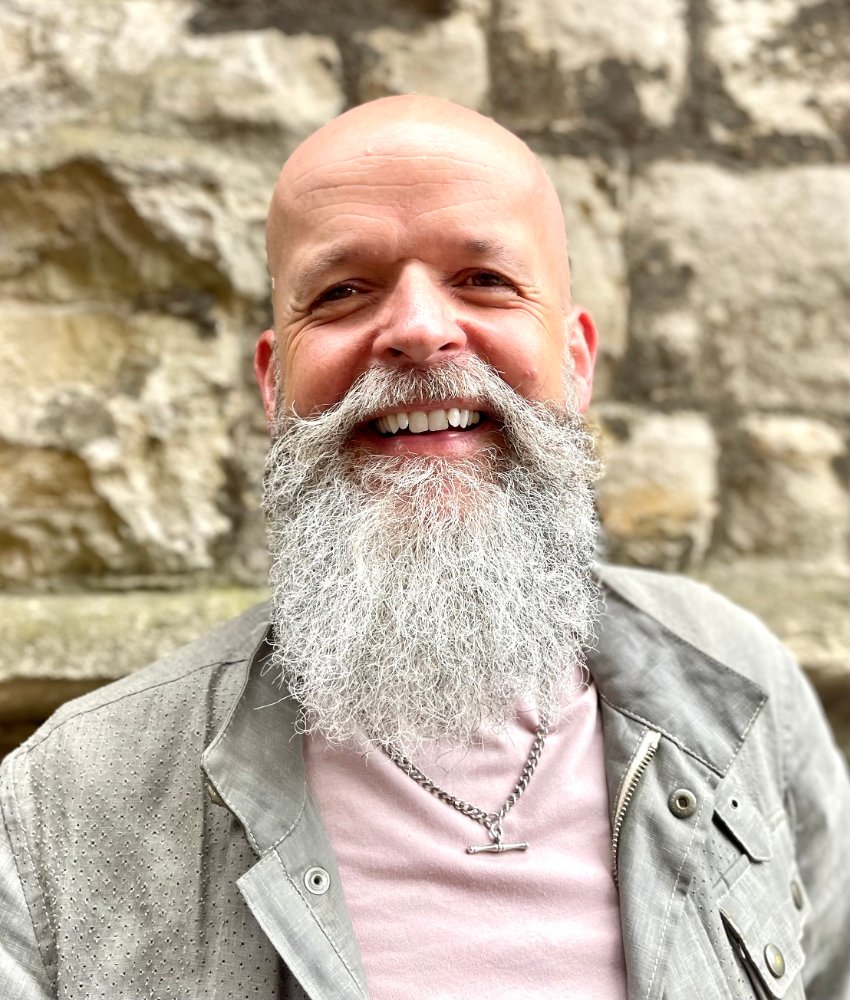
Mark Greenaway-Robbins | Counselling | Psychotherapy
Psychotherapist (MBACP)
London
Works with: adultsFrom £75View profile →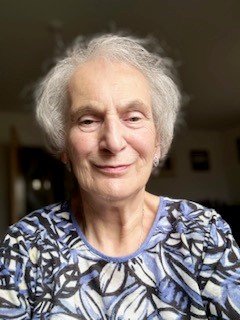
Quiet Space Counselling
Counsellor (MBACP Accred;)
Newton Abbot, Devon
Works with: adultsFrom £45View profile →Lisa Gargaro
Hypnotherapist (CHSC L6, NICP, RTT®)
Edinburgh, Scotland
Works with: children · teens · adultsFrom £65View profile →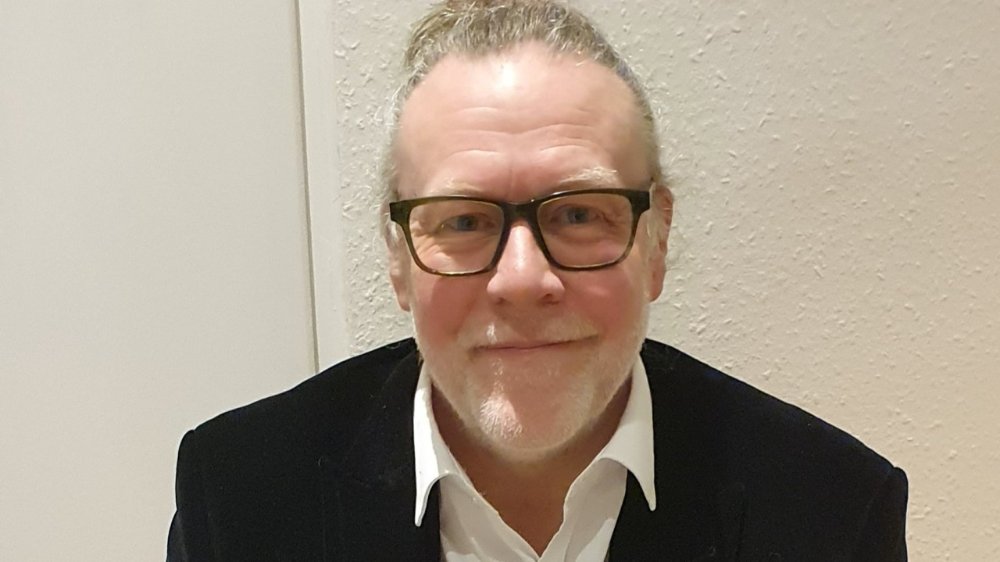
Southend Therapy
Hypnotherapist (MBACP MAPHP)
Leigh-on-Sea, Essex
Works with: children · teens · adultsFrom £110View profile →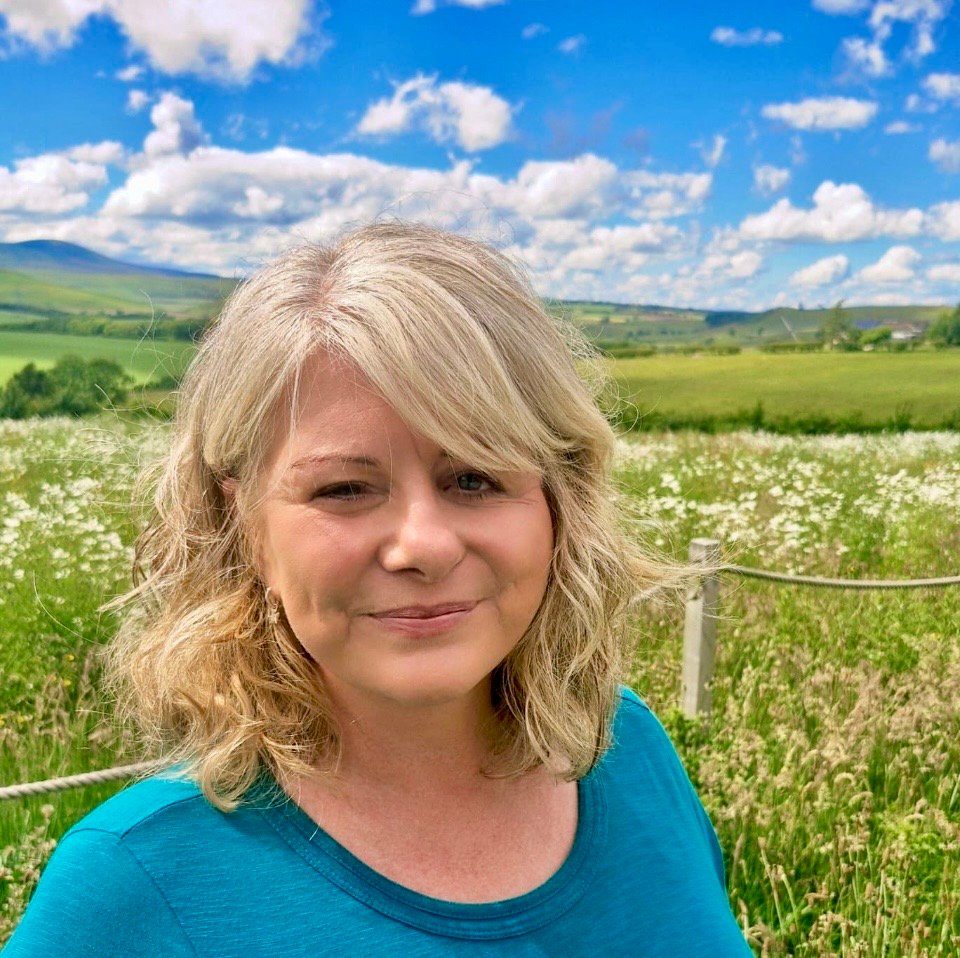
Waves to Willows Counselling
Counsellor (MBACP)
Newcastle upon Tyne, Tyne and Wear
Works with: teens · adultsFrom £60View profile →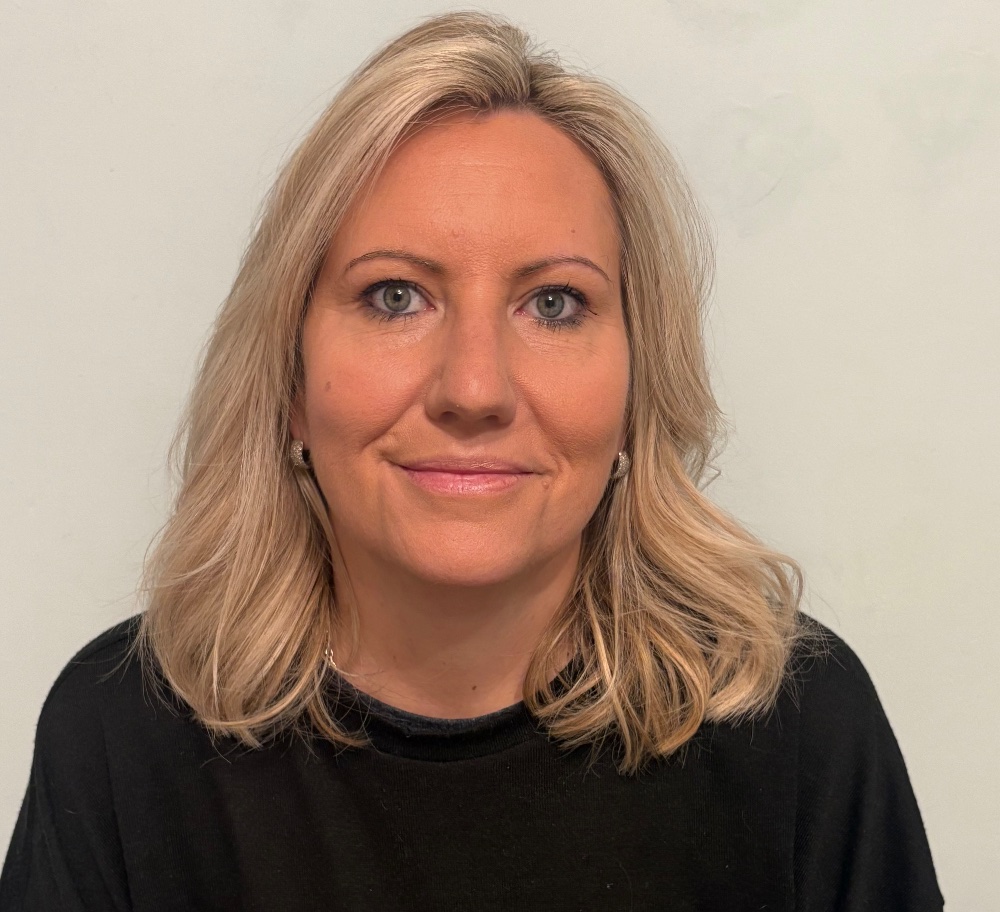
Tabitha Appleby
CBT Therapist
Newcastle upon Tyne, Tyne and Wear
Works with: adultsFrom £80View profile →
Frequently Asked Questions about Trichotillomania in the UK
Find a TherapistHow do I find a trichotillomania therapist near me in the UK?›
Type your town, city or county into the search at the top of this page, or browse by county. If there’s nobody near you yet, choose Online to see who works with people anywhere in the UK.
Can I have sessions online from anywhere in the UK?›
Yes. Online sessions work across England, Scotland, Wales and Northern Ireland, and each listing says whether the person works in person, online or both.
How much does trichotillomania therapy cost in the UK?›
Usually £40–£90 a session, around £60 on average, and more in London. Every listing shows its own prices.
What kinds of help are there for hair pulling in the UK?›
You’ll find counsellors, psychotherapists, psychologists, CBT therapists, hypnotherapists, EFT practitioners and BFRB coaches. Different people find different things helpful, and each listing explains how the person works.
Do I need a GP referral or a diagnosis?›
No. You can contact anyone listed directly, without a GP letter or a formal diagnosis.
My child pulls their hair. What do I do first?›
Stay steady and don’t tell them off; that reliably makes pulling worse. Start with The Parent’s Guide to Trichotillomania, then look for someone who works with children and teens. Each listing says who they work with.
Are there trichotillomania support groups in the UK?›
Yes. BFRB UK & Ireland runs free online peer groups, including one for family and friends. Most UK groups meet online right now.
How common is hair pulling in the UK?›
About 1 in 50 people pull their hair, more than a million people in the UK. It usually starts around ages 10–13, and it isn’t a bad habit or a lack of willpower. Our complete guide explains more.
Can I get help for trichotillomania on the NHS?›
Yes. In England you can refer yourself to NHS Talking Therapies; elsewhere in the UK you start with your GP. Waits are often long and you usually can’t choose who you see.
Browse by location
- Bedfordshire
- Berkshire
- Bristol
- Buckinghamshire
- Cambridgeshire
- Cheshire
- Cornwall
- County Durham
- Cumbria
- Derbyshire
- Devon
- Dorset
- East Sussex
- Essex
- Gloucestershire
- Greater Manchester
- Hampshire
- Herefordshire
- Hertfordshire
- Isle of Wight
- Kent
- Lancashire
- Leicestershire
- Lincolnshire
- London
- Merseyside
- Norfolk
- Northamptonshire
- Northumberland
- Nottinghamshire
- Oxfordshire
- Rutland
- Shropshire
- Somerset
- Staffordshire
- Suffolk
- Surrey
- Tyne and Wear
- Warwickshire
- West Midlands
- West Sussex
- Wiltshire
- Worcestershire
- Yorkshire
- Scotland
- Wales
- Northern Ireland
How to get in touch with a therapist
You can message anyone listed right now. You don’t need a GP letter or a diagnosis. Every listing has a private contact form, and most explain how the person works, what a session costs and whether they offer a free first call.
Online sessions work across England, Scotland, Wales and Northern Ireland. UK registration covers all four nations, so a counsellor in Newcastle can work with you in Cardiff or Belfast, and hypnotherapists, EFT practitioners and coaches aren’t limited by where you live either.
What therapy costs in the UK
Private sessions in the UK usually cost £40–£90, with most people paying around £60. London sits higher, often £70–£150, and online sessions are often a little cheaper than meeting in person.
Every listing shows its own prices, so there are no surprises. Some private health insurance policies pay part of the cost for some practitioner types, so ask your insurer and the person you contact. Many people listed offer a free first call, so you can see whether they feel right before you pay.
How to check someone is qualified
In the UK, “counsellor” and “therapist” aren’t protected titles, but some are. “Practitioner psychologist” and “clinical psychologist” are protected by law, and you can look anyone up for free on the HCPC register. Counsellors and psychotherapists are often members of the BACP or UKCP, and CBT therapists of the BABCP, each with a public register you can search.
Many good kinds of help aren’t regulated by law at all. Hypnotherapists, EFT practitioners and coaches belong to their own professional associations, and some are on the CNHC register, which is accredited by the Professional Standards Authority.
Everyone on this site has one thing in common: they’ve told us they understand hair pulling. On a first call, you can ask:
- Have you helped people who pull their hair before?
- How do you work? What happens in the first few sessions?
- What if I feel it isn’t right for me?
Charities and groups in the UK
BFRB UK & Ireland
A peer-led charitable organisation running support groups since 2015 for people who pull, pick or bite, and for their families. Most groups meet online.
Trichotillomania Support
A UK non-profit supporting people who pull or pick since 1996, with free information, recordings, courses and BFRB recovery coaches. It can also write to schools or employers to explain what someone needs.
OCD Action
A national charity for OCD and related conditions, with plain information on body-focused repetitive behaviours and a helpline.
Alopecia UK
Support for anyone affected by hair loss, including practical guidance on wigs, eyebrows and cosmetic camouflage.
The Little Princess Trust
Free real-hair wigs for children and young people who have lost their hair.
Samaritans
If things feel like too much, call 116 123 for free, any time of day or night, or email jo@samaritans.org.
Support groups in the UK
Most people who pull have never knowingly met someone else who does. A group changes that.
- BFRB UK & Ireland peer groups: free, on Zoom, every other Sunday, run by volunteers who have BFRBs themselves. Check their events calendar for times.
- BFRB UK & Ireland family group: free, monthly on Wednesday evenings, for parents, partners and friends.
- Trichotillomania Support community: a closed Facebook group; ask them to add you.
Most UK groups meet online right now, and in-person groups are still rare. Do you run a group? Tell us and we’ll list it for free.
For parents: The Parent’s Guide to Trichotillomania was written for the first weeks after you find out your child pulls.
NHS and other free options
The NHS offers free talking therapy: in England you can refer yourself to NHS Talking Therapies, and in Scotland, Wales and Northern Ireland you start by asking your GP. Waits are often long and you usually can’t choose someone who understands hair pulling, so many people contact someone in the directory while they wait.
About this page
Sources: BFRB UK & Ireland; Trichotillomania Support; OCD Action; Alopecia UK; The Little Princess Trust; Samaritans; HCPC, BACP, UKCP, BABCP and CNHC registers; NHS Talking Therapies; UK private therapy price data (2026).
Things change. We check this page often, but always check prices and qualifications with the person you contact. This page is information, not medical advice.
Are you a UK therapist or practitioner who works with trichotillomania?
Be found by people looking for help with hair pulling across the UK, in person or online.