
Trichotillomania Support in London
Find a therapist in London who understands trichotillomania. Whether you pull your own hair or you’re supporting a child or someone you love, search by borough or neighbourhood, from Richmond to Romford, for someone near you, or choose Online to see who works with people anywhere in London.
Find a therapist for trichotillomania in London
BFRB UK & Ireland, the first UK charity for hair pulling and skin picking, held its first in-person groups in London. They met every month for four years. London also has thousands of therapists and counsellors, yet very few of them learned about hair pulling in training. Connecting you with people who already understand it is the reason this directory exists.
Everyone listed here has told us they understand trichotillomania and already help people who pull. The directory includes therapists, counsellors, psychologists, psychotherapists, hypnotherapists, EFT practitioners, NLP practitioners and coaches. Every listing shows how that person works, whether they see people in person, online or both, and what they charge. Each one has a private contact form.
A session across London can mean an hour on the Tube each way. If nobody suitable is close to home, see who works online across London.
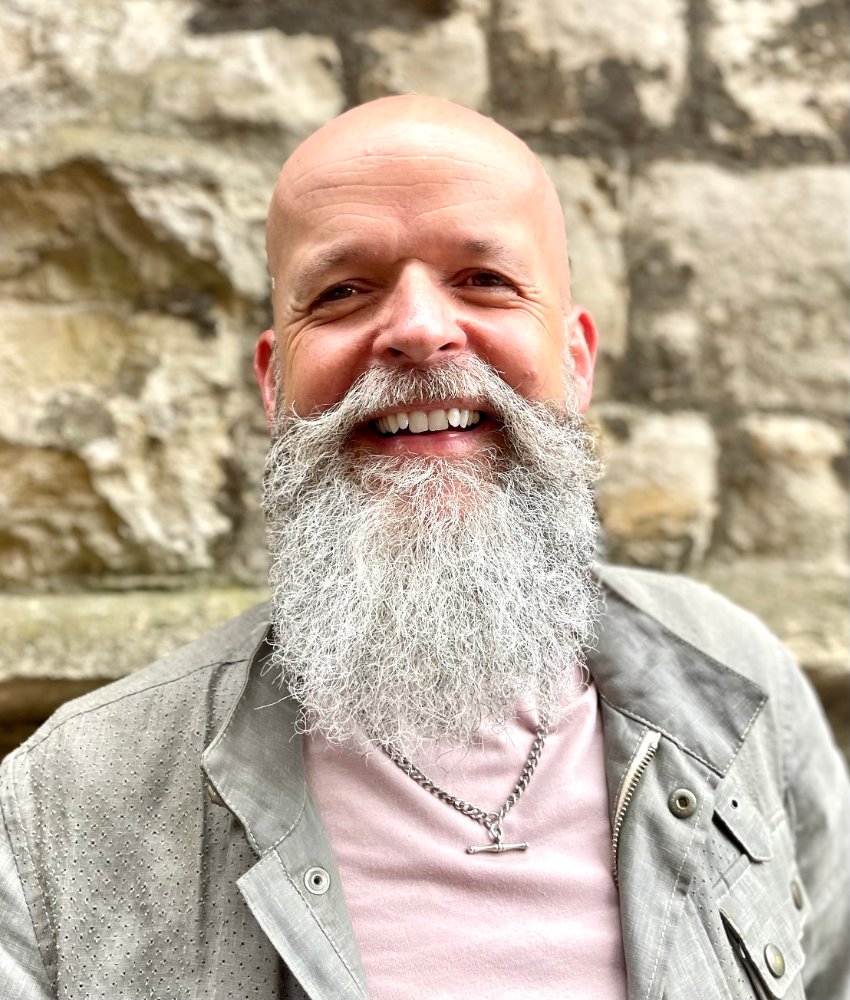
Mark Greenaway-Robbins | Counselling | Psychotherapy
Psychotherapist (MBACP)
London
Works with: adultsFrom £75View profile →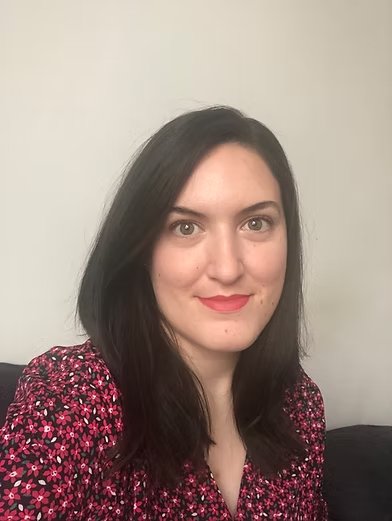
Kathryn Budd
CBT Therapist (BABCP Accredited)
London
Works with: adultsFrom £95View profile →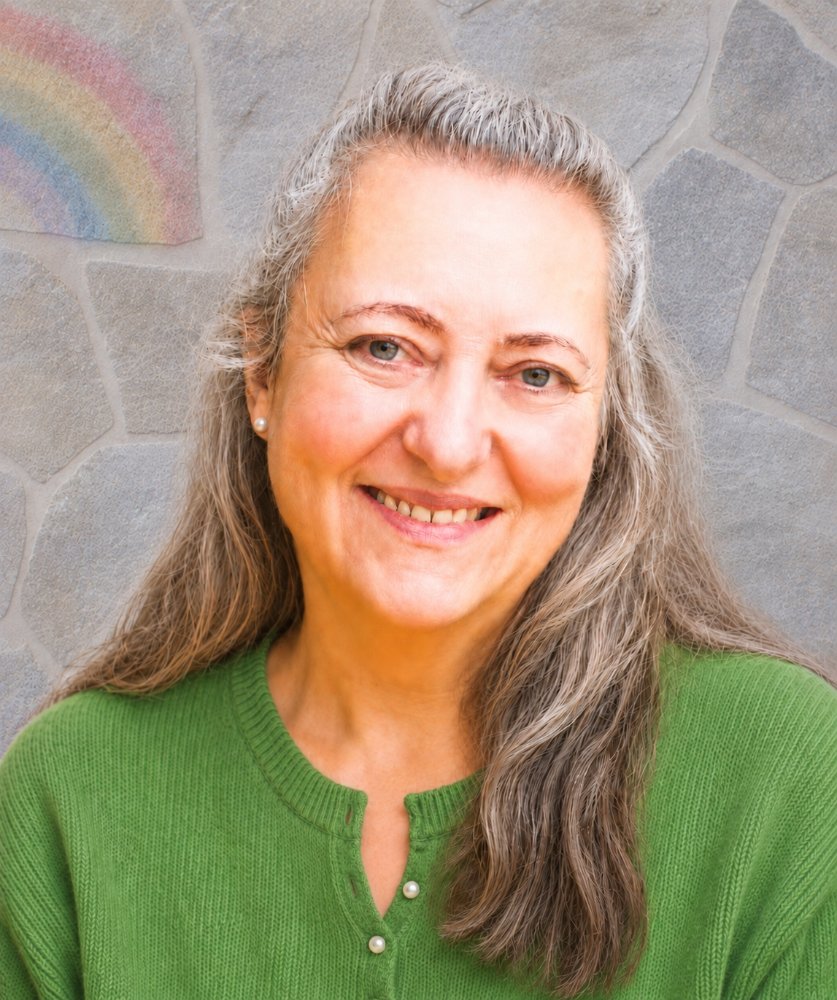
Borbala Jakab
Psychotherapist
City of London, London
Works with: teens · adultsFrom £85View profile →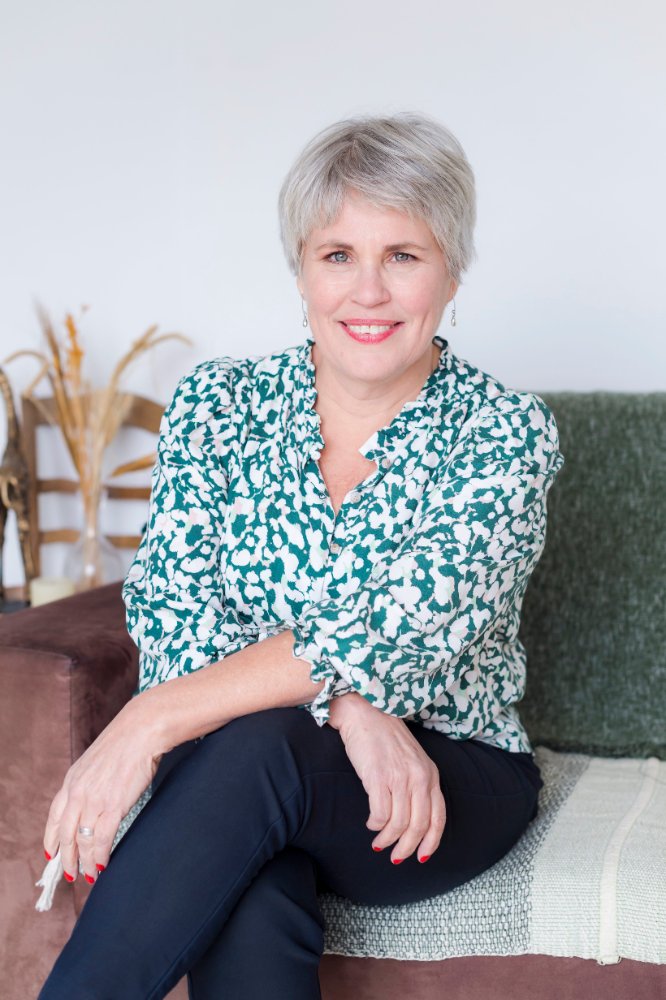
Morag Stevenson
Hypnotherapist (BA hons, Hypno-CBT® Dip)
Teddington, London
Works with: adultsFrom £100View profile →
Frequently Asked Questions about Trichotillomania in London
Find a TherapistHow do I find a trichotillomania therapist near me in London?›
Search our directory by borough or neighbourhood, such as Camden, Westminster, Islington, Hackney, Croydon or Richmond. Every listing explains how the person works, what they charge and whether they see people in person, online or both. You can message anyone directly.
Can I have sessions online from anywhere in London?›
Yes. Many people listed work online with clients anywhere in London, from Richmond to Romford. UK registration isn’t split by borough, and hypnotherapists, EFT practitioners and coaches aren’t tied to one area either.
How much does trichotillomania therapy cost in London?›
Private sessions in London usually cost £60 to £150, with around £80 to £90 typical. Outer boroughs tend to be cheaper. Every listing shows its own prices, and many people offer a free first call.
What kinds of help are there for hair pulling?›
People who pull work with therapists, counsellors, psychologists, psychotherapists, hypnotherapists, EFT practitioners, NLP practitioners and coaches. Different people find different things helpful. Everyone in our directory has told us they understand hair pulling and already help people who pull.
Do I need a GP referral or a diagnosis to get help in London?›
No. You can contact anyone listed in our directory directly, without a GP referral or a diagnosis. Just tell them you pull your hair and you’re looking for someone who understands trichotillomania.
My child pulls their hair. What do I do first?›
Stay steady and don’t tell them off, because pressure and punishment reliably make pulling worse. Start with The Parent’s Guide to Trichotillomania, and look for someone in the directory whose listing says they work with children and teens.
Are there trichotillomania support groups in London?›
We don’t know of an in-person trichotillomania group in London right now. BFRB UK & Ireland, whose groups began in London, runs free online groups for adults and for parents and loved ones. If you run a group in London, tell us and we’ll list it for free.
How common is hair pulling in London?›
About 1 in 50 people have trichotillomania, so roughly 175,000 people across London. It’s a recognised condition, not a bad habit, and it often starts between ages 10 and 13. Learn more in our complete guide to trichotillomania.
How to get in touch with a therapist
You can message anyone listed here directly, today. You don’t need a GP referral or a diagnosis first.
When you write, say what it is: “I pull my hair. I’m looking for someone who understands trichotillomania.” How they reply tells you a lot about whether they’re the right fit.
Practitioners cluster in Marylebone, around Harley Street, and in Hampstead, Islington and Clapham. Outer boroughs such as Croydon, Bromley and Barnet have their own, often in quieter home practices. Many Londoners pick someone near work rather than home, or skip the journey and meet online. UK registration isn’t split by borough, so anyone listed can work with you online wherever you live.
You can also refer yourself to your borough’s NHS Talking Therapies service. That route exists, and it often takes longer, usually without a choice of someone who understands hair pulling.
How to choose who to work with
People who pull find help from all kinds of practitioners: therapists, counsellors, psychologists, psychotherapists, hypnotherapists, EFT practitioners and coaches. Different people find different things helpful. What matters most is that you feel understood.
You can also check a clinician’s registration if you’d like. Titles such as “clinical psychologist” and “counselling psychologist” are protected by law in the UK. The Health and Care Professions Council keeps a free register lookup for them. Many counsellors, psychotherapists and hypnotherapists belong to registers approved by the Professional Standards Authority, which runs its own practitioner check. Other good kinds of help aren’t regulated at all and belong to their own associations instead.
Everyone on this site has one thing in common: they’ve told us they understand hair pulling. On a first call, you can ask:
- Have you helped people who pull their hair before?
- How do you work? What happens in the first few sessions?
- What if I feel it isn’t right for me?
There’s more in our guide to how to talk to someone who can help.
Charities and groups in London
London has no charity just for hair pulling or other body-focused repetitive behaviours (BFRBs). The UK’s BFRB charity began here and now runs its groups online. London charities cover children and young people.
BFRB UK & Ireland
A peer-led charitable organisation for hair pulling, skin picking and related behaviours, founded in 2015. Its volunteers have BFRBs themselves. It runs free online groups for adults and for parents and loved ones.
OCD Action
A national charity for OCD and related conditions, including BFRBs. Its website has plain-language information on hair pulling, and it runs a helpline and free online groups.
Anna Freud
A children’s mental health charity that began in Hampstead in 1952 and is still based in London. Its website has free guides for young people, parents and carers.
Brandon Centre
Free, confidential counselling and psychotherapy for young people in Kentish Town. It sees people under 25 who live or have a GP in Camden or Islington, and young people can refer themselves.
Samaritans
Call 116 123 free, any time of day or night, if things ever feel too much to handle on your own.
Support groups in London
BFRB UK & Ireland’s London groups met in person every month for four years, then moved online during the pandemic. We don’t know of an in-person trichotillomania group in London right now.
- BFRB UK & Ireland adults group: a free, peer-led group on Zoom for anyone who pulls or picks.
- BFRB UK & Ireland parents and loved ones group: a monthly Zoom group for anyone supporting someone who pulls.
- OCD Action online groups: free groups for OCD and related conditions, open to people across the UK.
For parents: our guide The Parent’s Guide to Trichotillomania helps you understand what your child is going through.
Do you run a London group? Tell us and we’ll list it for free.
From Hallopeau to DSM-5
Hair pulling is old, but its name is not. In 1889 the French dermatologist François Hallopeau described a young man who pulled out his hair. He named it trichotillomania, from the Greek for hair, pulling and madness.
For almost a century the name stayed in medical journals. Then in 1987 the American Psychiatric Association added it to its diagnostic manual, the DSM, as an impulse control disorder. In 2013 the DSM-5 moved it to a group called obsessive-compulsive and related disorders. It also added “hair-pulling disorder” as a second name, and listed skin picking beside it.
The world’s other main manual, the ICD, gives it the code F63.3 in its tenth edition.
The name changes matter. For decades, people who pulled had no word for what they did. Many people still go years before they find it. Trichotillomania is not a bad habit, not attention-seeking, not self-harm and not a lack of willpower. It is a recognised condition with a history, and a name you can say out loud.
About this page
Sources: TherapyRoute, UK Therapy Guide and Kicks Therapy (session cost data); Health and Care Professions Council; Professional Standards Authority; BFRB UK & Ireland; OCD Action; Anna Freud; Brandon Centre; NHS London Waiting Room; Samaritans; Wikipedia (Trichotillomania).
Things change. We check this page often, but always check prices and qualifications with the person you contact. This page is information, not medical advice.
Are you a London therapist or practitioner who works with trichotillomania?
Be found by people looking for help with hair pulling across London, in person or online.
About London
London is the UK’s capital and its largest city, home to almost nine million people. It spreads across 32 boroughs and the City of London, on both banks of the Thames. Epping Forest runs from its north-eastern edge into Essex, and the North Downs rise along its southern edge.
The City and Westminster hold its financial and political centres. Camden and Islington mix Georgian squares with markets and music venues. Hackney and Tower Hamlets grew around the old East End. Stratford was rebuilt for the 2012 Olympic Games. South of the river, Croydon is a major shopping and office centre, Kingston is an ancient market town, and Richmond has the largest of the Royal Parks.
Attractions in London
London’s attractions run from a Norman fortress in the east to royal gardens in the west.
British Museum, Bloomsbury
Founded in 1753 and opened in 1759, it was the first national public museum in the world. Its collection includes the Rosetta Stone and the Parthenon sculptures. Norman Foster’s glass roof over the Great Court opened in 2000. Entry is free.
Tower of London, Tower Hamlets
William the Conqueror began the White Tower in the 1070s to guard the Thames approach to the city. Over the centuries it has served as a royal palace, prison and armoury. It holds the Crown Jewels, is guarded by the Yeoman Warders, and has been a UNESCO World Heritage Site since 1988.
Royal Botanic Gardens, Kew, Richmond
Kew became a UNESCO World Heritage Site in 2003. Its Palm House, built between 1844 and 1848 by Decimus Burton and Richard Turner, was one of the first large buildings made of wrought iron. Sir William Chambers designed the ten-storey Great Pagoda in 1762.
Royal Observatory, Greenwich
King Charles II founded the observatory in 1675, and Sir Christopher Wren designed its first building, Flamsteed House. A telescope installed here in 1851 marks the Prime Meridian, adopted worldwide in 1884 as longitude 0°. It is part of the Maritime Greenwich World Heritage Site.
Hampstead Heath, Camden
About 320 hectares of meadow, ancient woodland and ponds, with three open-air bathing ponds. The view from Parliament Hill to St Paul’s Cathedral is protected by planning rules. On the Heath’s northern edge, Kenwood House is free to enter and holds Rembrandt’s Self-Portrait with Two Circles and Vermeer’s The Guitar Player.
Browse by location
- Bedfordshire
- Berkshire
- Bristol
- Buckinghamshire
- Cambridgeshire
- Cheshire
- Cornwall
- County Durham
- Cumbria
- Derbyshire
- Devon
- Dorset
- East Sussex
- Essex
- Gloucestershire
- Greater Manchester
- Hampshire
- Herefordshire
- Hertfordshire
- Isle of Wight
- Kent
- Lancashire
- Leicestershire
- Lincolnshire
- London
- Merseyside
- Norfolk
- Northamptonshire
- Northumberland
- Nottinghamshire
- Oxfordshire
- Rutland
- Shropshire
- Somerset
- Staffordshire
- Suffolk
- Surrey
- Tyne and Wear
- Warwickshire
- West Midlands
- West Sussex
- Wiltshire
- Worcestershire
- Yorkshire
- Scotland
- Wales
- Northern Ireland