
What is trichotillomania? The complete guide to hair-pulling disorder
People with trichotillomania feel a strong, hard-to-resist urge to pull out their own hair. It has a name, a diagnosis, and treatments that work — this guide covers all of it.
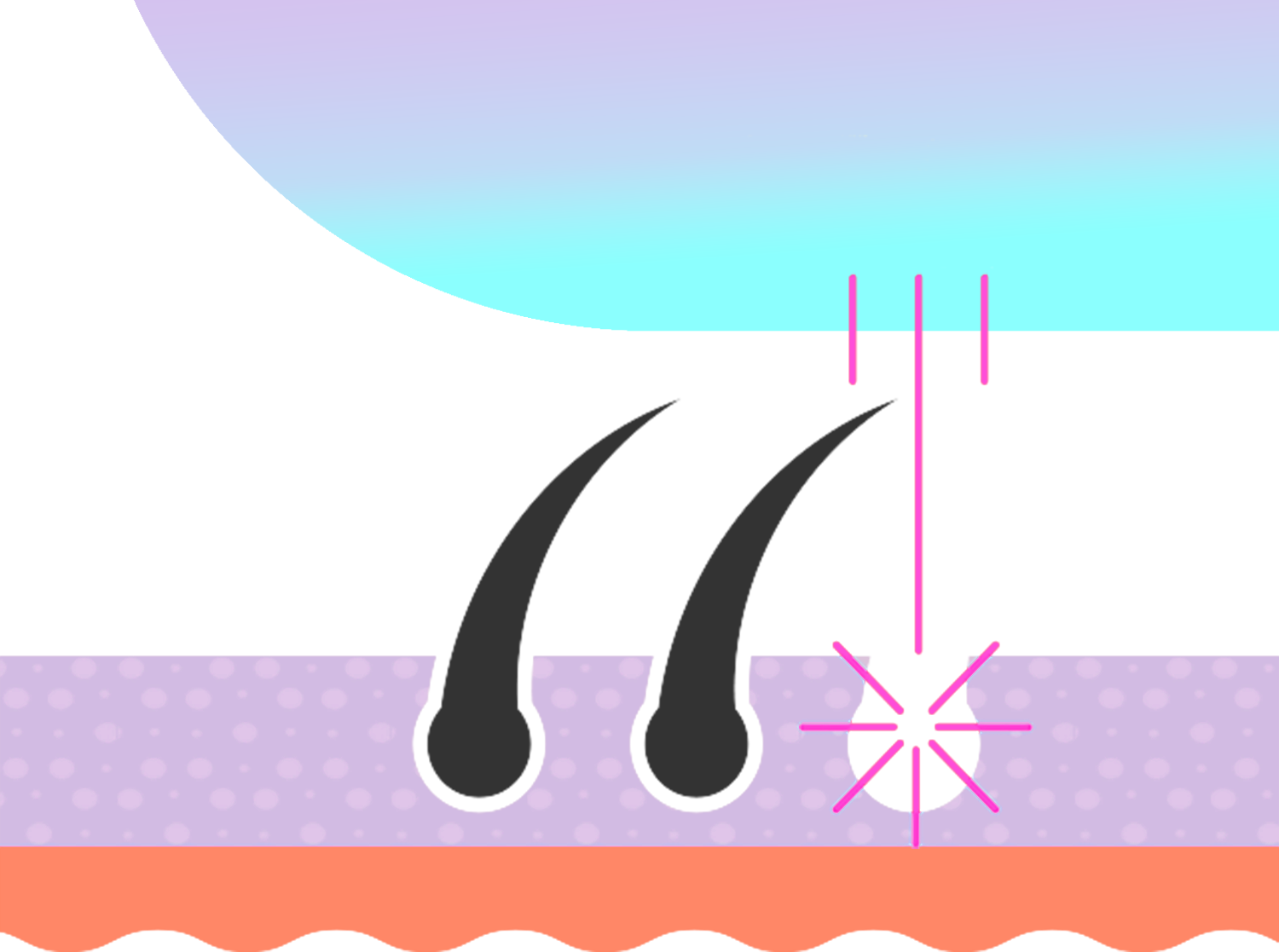
Often shortened to “trich” or TTM — also called hair-pulling disorder. It’s part of a group of conditions called body-focused repetitive behaviors (BFRBs).
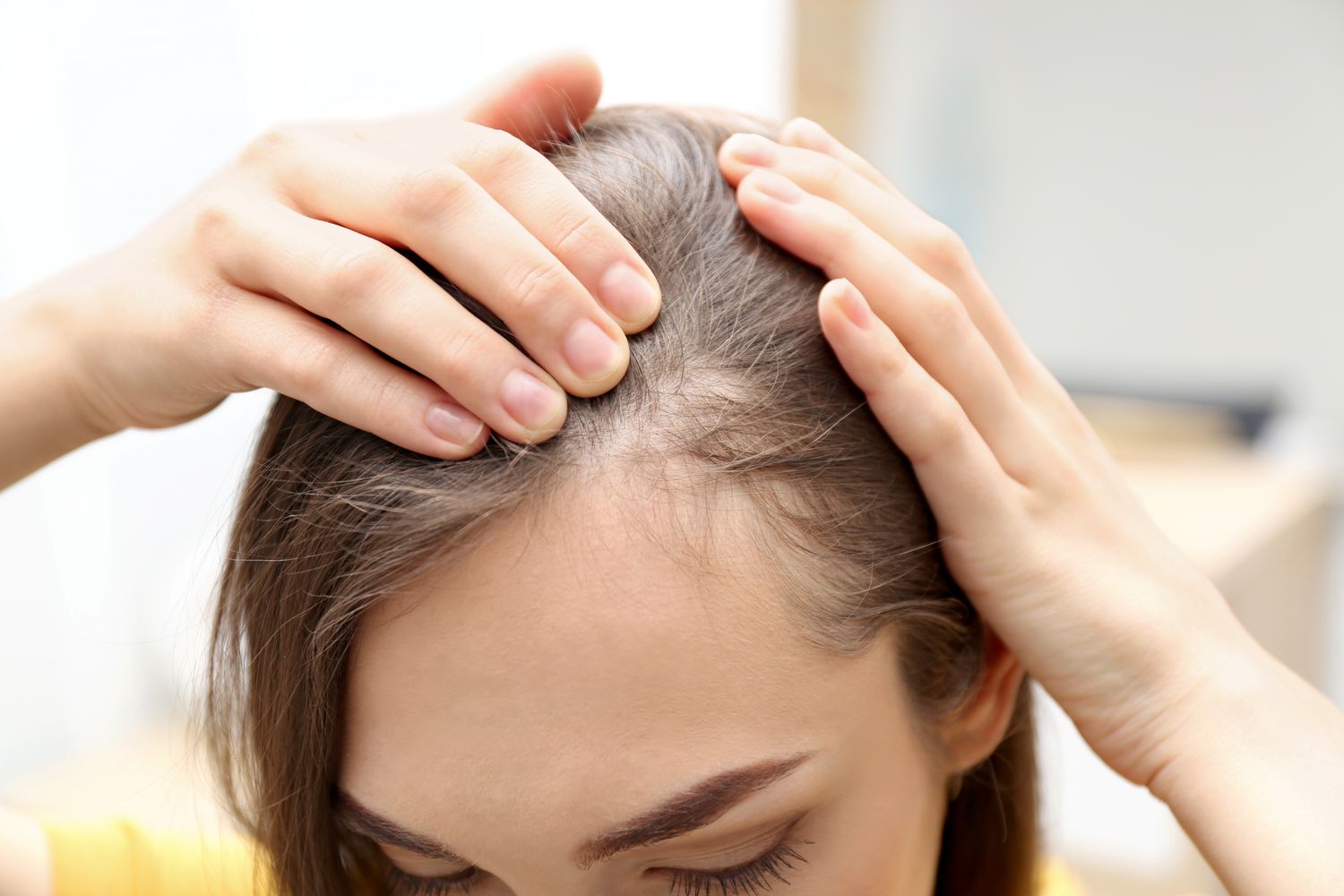
Trichotillomania, often shortened to “trich” or TTM, is a mental health condition. People with it feel a strong, hard-to-resist urge to pull out their own hair — from the scalp, eyebrows, eyelashes, or anywhere else on the body. This leads to hair loss and a lot of distress. Another name for it is hair-pulling disorder.
If you’ve just looked this word up for the first time — maybe after years of pulling in secret and wondering what’s wrong with you — here is the most important thing on this whole page: you are not alone, this is not a bad habit or a flaw in you, and it has a name, a diagnosis, and treatments that work. About one in every fifty to one hundred people will have trichotillomania at some point in their life. Most of them believe, at least for a while, that they are the only person in the world who does this. None of them are.
This guide is long on purpose. It covers what trichotillomania is and isn’t, who gets it, what causes it, how it’s diagnosed, every main treatment and the proof behind it, what to expect when hair grows back, how it’s different in children and adults, and how to support someone who has it.
Trichotillomania at a glance
Pulling out your own hair again and again, trying to stop but not being able to, which causes hair loss and distress. Part of a group called body-focused repetitive behaviors (BFRBs).
In the two main medical manuals: the DSM-5 (under “Obsessive-Compulsive and Related Disorders”) and the ICD-11.
About 1 to 2 people in every 100 have it at some point. Milder pulling that doesn't quite meet the full definition is even more common.
Most often between ages 10 and 13, often around puberty — but it can begin in early childhood or in adulthood.
Among diagnosed adults, women outnumber men by about 4 to 1 or more. In young children, boys and girls are affected about equally. It happens in every ethnicity, culture, and income group.
It often comes and goes in waves, with heavy stretches and quiet stretches, and it usually gets worse when life is stressful.
Habit Reversal Training and newer versions of it (ComB and ACT-based therapy). Two medications show promise: N-acetylcysteine and memantine.
Hopeful. Most people who get the right treatment pull a lot less, and their hair usually grows back.
A short history
Hair pulling is not new. People tearing at their hair in grief and distress shows up in the Bible, in Homer’s Iliad, and all through ancient writing. Hippocrates, back in the 4th century BCE, told doctors to always ask patients whether they pulled out their hair.
The name has annoyed people ever since. The “-mania” ending makes it sound like madness, when in fact most people with trich are ordinary people dealing with one very specific behavior that few people understand. That’s one reason many doctors and campaigners now prefer the plainer name hair-pulling disorder.
Because research only really got going in the 1990s and 2000s, the science is younger than for many other conditions. This late start — not the condition being rare — is why so many GPs, skin doctors, and even therapists know little about it.

Hippocrates tells doctors to ask every patient whether they pull out their hair.
French dermatologist François Henri Hallopeau coins trichotillomania from Greek: thrix (hair), tillein (to pull), mania (madness or frenzy).
First enters the DSM — at the time grouped with conditions like stealing and fire-setting.
Serious research finally gets going — later than for many other conditions.
Moved next to OCD in the DSM-5, reflecting shared features and family links — though trich remains its own condition.
Who gets trichotillomania?
meet the definition at some point in life
the most common ages of onset, near puberty
were pulling at the time in a large 2020 US study — men and women alike

How common it is
Studies suggest 1 to 2 people in every 100 meet the definition of trichotillomania at some point in their life. That's roughly as common as conditions like schizophrenia or anorexia, which get far more attention and research money. When you also count people whose pulling falls just short of the full definition, the number is higher. A large US study by Grant and colleagues in 2020 found that about 1.7% of people were pulling at the time, with no real difference between men and women in that community group.
The question of men vs. women
In clinics — meaning people who actually come in for help — most patients are women, often 80 to 90%. But surveys of the wider public show a much smaller gap. The likely reason: men can hide scalp pulling by shaving their heads or blaming normal male hair loss, they may pull from the beard where it's easier to hide, and they're generally less likely to ask for help. So while trich is often called a “women's condition,” it's more accurate to say women are more likely to be diagnosed.
When it starts
The most common time is around ages 10 to 13, near puberty. There's also a separate pattern sometimes called “baby trich”: hair pulling in toddlers and preschoolers, often alongside thumb-sucking. This usually goes away on its own and is seen as fairly harmless — more like a self-soothing habit than the teenage version. Trich can also start in adulthood, sometimes after major stress, hormone changes, or illness.
How it plays out over a lifetime
For many people trich is long-term but comes in waves: months or years of heavy pulling, then quieter times, then flare-ups during exams, breakups, new jobs, pregnancy, or grief. The spot people pull from can also move over time — someone might pull eyelashes as a teenager, scalp hair in their twenties, and eyebrows later. This up-and-down pattern matters for treatment: a flare-up after a good stretch is a normal part of the condition, not a sign that recovery has failed.

What hair pulling actually looks like
The basic behavior is simple to describe — pulling out your own hair — but what it’s like to live with is far richer, and often invisible to other people. Common features include:
Scalp
the most common spot — about 70% of people
Eyebrows
the second most common area
Eyelashes
alongside beard, arms, legs and elsewhere
Where people pull
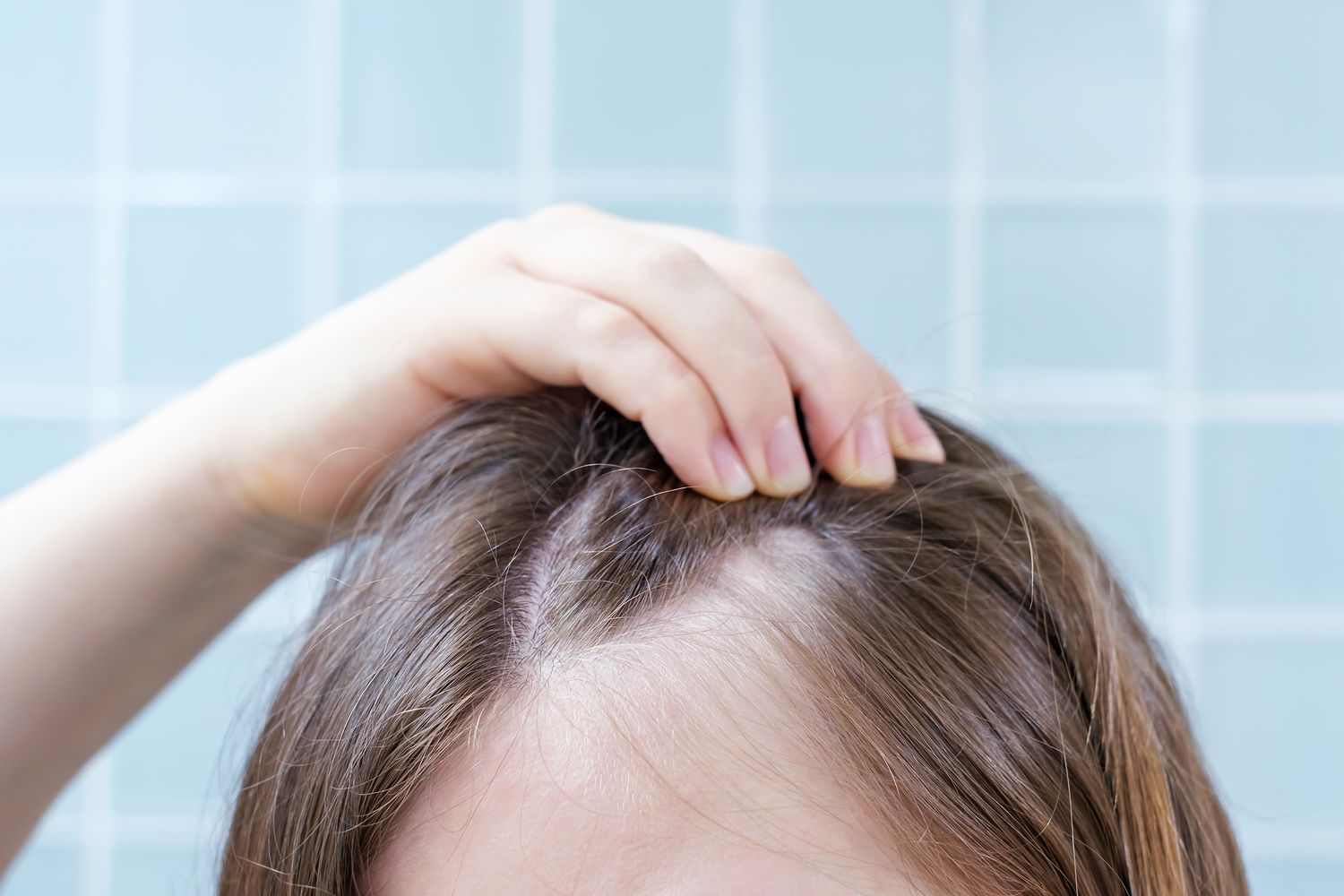
The scalp is the most common spot, then eyebrows and eyelashes. Other spots include the beard and moustache, arms, legs, underarms, chest, and pubic area. Many people pull from more than one spot, and the “favorite” spot can shift over months or years. Some people keep going back to one small area — the crown of the head, the hairline above one ear — which is why trich bald spots are often in one place rather than spread out.
Choosing certain hairs
Pulling is rarely random. Many people hunt for hairs with a certain feel: coarse or wiry, kinked or curly, short stubbly regrowth, gray or a different color, or hairs that just “feel wrong” in a way that’s hard to put into words. The search for the “right” hair can eat up a lot of time by itself.
The pull
People describe a range of sensations: an itch, tingle, or pressure at the spot before pulling; a sting, release, or even a rush of satisfaction at the moment of pulling — especially if the hair comes out with the root (the small white bulb) still on it. For many, a pull that brings out a full root feels “complete” in a way a snapped hair doesn’t, and that keeps them pulling more.
Time spent
Pulling can last a few absent-minded seconds, or stretch into trance-like sessions of an hour or more. It’s common to lose a whole evening to pulling in front of a mirror or in bed, and come out of it with a sore scalp, a pile of hair, and a wave of shame. Added up, pulling can take hours a week — a hidden cost to your time, sleep, and focus.
Physical effects
As well as hair loss: a sore or irritated scalp, minor skin damage where you pull, aches in the pulling hand or arm, tooth damage in people who bite hair, and — for those who swallow hair — the stomach risks covered in section 11.
Hiding it
Maybe the most universal sign is the hiding: clever partings, headbands, hats, scarves, wigs and hairpieces, drawn-on brows, false lashes, avoiding swimming and wind and rain, sitting at the back of rooms, dodging the hairdresser for years, tilting the head in photos, keeping the lights off during sex. Many people with trich become experts at hiding it — which is exactly why everyone with trich thinks they’re the only one.
Focused vs. automatic pulling
There are two styles of pulling. Knowing which one is bigger for you (most people do both) really does change which strategies will help most.
Focused pulling
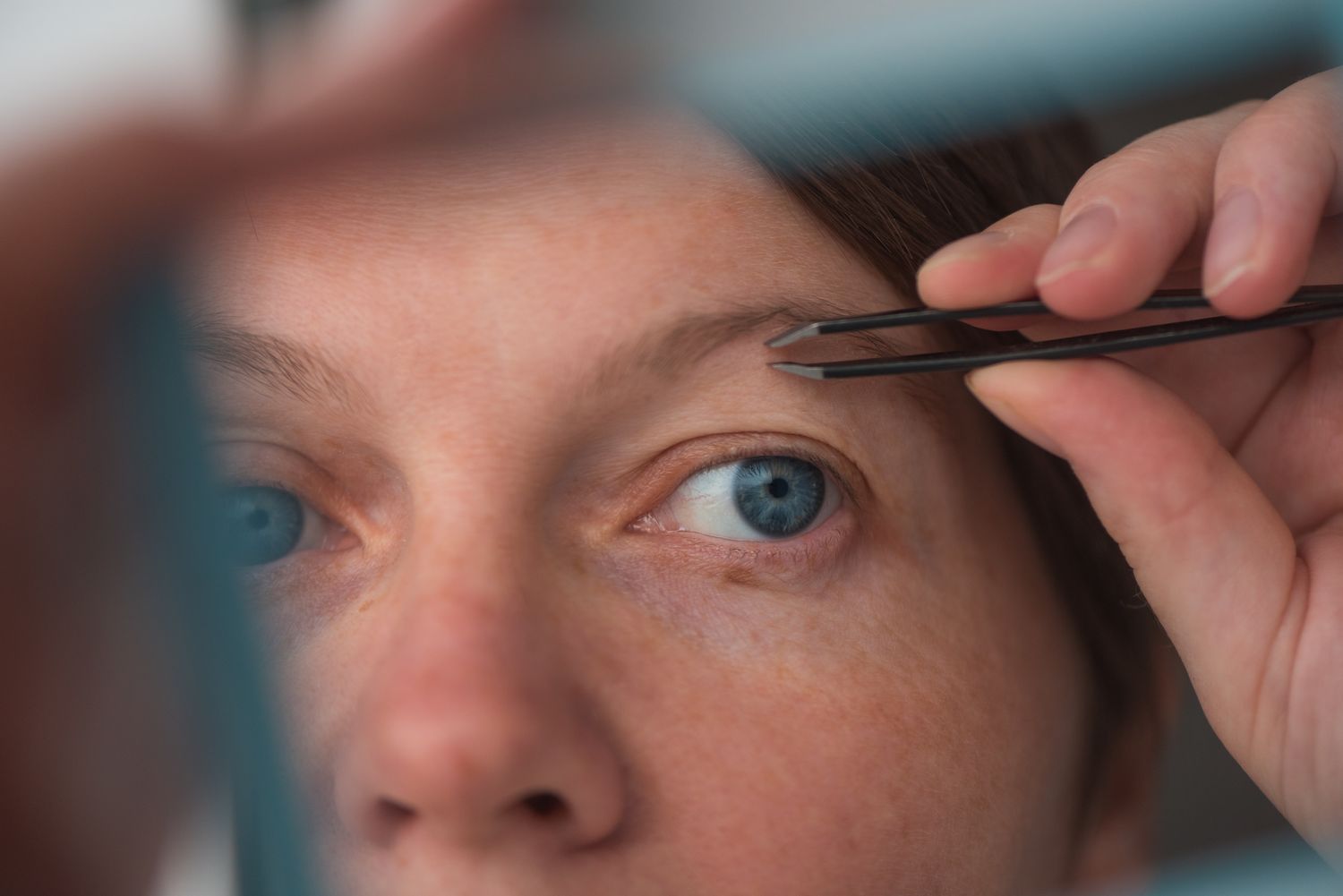
Done on purpose and with full attention — you know you’re pulling. It often comes after a building urge, an uncomfortable feeling in the body, a “not-right” feeling about one hair, or a strong emotion. It can feel like something you have to do — I need to get that one hair — and often brings a moment of relief or satisfaction, then regret. It usually happens in front of mirrors and can involve tweezers.
Automatic pulling
Happens without you noticing, usually during quiet, low-energy activities: reading, studying, scrolling, watching TV, driving, meetings, lying in bed. Your hand drifts up on its own. Many people only realize they’ve been pulling when they see hairs on the desk or feel the sore patch. It tends to go with boredom, understimulation, or deep concentration — times when the “habit” part of the brain runs without supervision.
Why the difference matters: automatic pulling responds really well to noticing-training and physical barriers (you can’t pull without noticing if something blocks you). Focused pulling usually needs urge-handling and emotion skills on top of that. A good therapist will work out your mix early on.
The rituals: searching, checking, mouthing
For many people, the pull is only one step in a longer routine, and the steps around it can be just as strong a pull as the pulling itself. Common ones include:
Searching: running fingers through hair or across the brows, hunting by feel for a target hair — coarse, stubbly, or a bump at the root.
Checking: looking closely at the pulled hair, especially the root. Rolling it between the fingers, holding it up to the light, comparing roots.
Mouth behaviors: running the hair or root across the lips or tongue, biting off the root, chewing the hair, or swallowing it (this is called trichophagia — see section 11).
Tidying rituals: lining up pulled hairs in rows or piles, counting them, or a set way of throwing them away.
If you do any of these, please hear this clearly: rituals are a normal and very common part of trichotillomania. They don’t mean your case is stranger or worse. People often carry more shame about the rituals — especially the mouth ones — than about the pulling itself, and often hide them even from their therapist. But telling a professional about them matters, because they’re direct clues to what’s driving your pulling, and that shapes treatment. Clinicians who work with BFRBs have heard it all before.

What trichotillomania is not
Wrong ideas about trich do real harm — they stop people getting help and lead kind family members to say exactly the wrong thing. So, to be clear:

It is not self-harm.
This is the mix-up that causes the most damage. In self-harm, the point is to hurt yourself, often to let out emotional pain. In trichotillomania, pain is not the goal — many people say the pull feels relieving, satisfying, or just neutral, and the hair loss is an unwanted result, not the aim. This matters because the treatments are different, and it matters personally because being treated like you're hurting yourself on purpose only adds shame. (It's also worth saying: some people have both trich and self-harm, and both deserve care.)
It is not attention-seeking.
The opposite is closer to the truth. Trich is one of the most carefully hidden of all mental health conditions. People keep it secret from partners of twenty years.
It is not a choice, a “bad habit,” or weak willpower.
The urges come from the brain, and the behavior is kept going by strong rewards you can feel. Nearly everyone with trich has tried to “just stop” hundreds of times. If willpower cured trichotillomania, no one would have trichotillomania.
It is not OCD, even though they sit next to each other in the manuals.
In OCD, people do compulsions to get rid of the worry caused by unwanted thoughts, and the compulsions feel like unpleasant chores. Trich pulling usually isn't driven by unwanted thoughts, and the pulling itself often feels good, at least for a moment. This changes the treatment: the usual OCD therapy is not the first choice for trich — habit-reversal methods are.

It is not vanity, a “grooming problem,” or bad parenting.
None of these. Full stop.
It is not rare.
At 1 to 2 people in every 100, there are almost certainly people with trichotillomania in your workplace, your school, and your wider family. You have very likely met many people with trich and never known.
What causes trichotillomania?
There is no single known cause. Trichotillomania comes from a mix of things: genes you’re born with, differences in how the brain is wired, and the way behavior gets learned and repeated — with stress and hormones playing a part too. Here’s what the research shows:
Genes
Trich runs in families. Close relatives of someone with trich are more likely to pull hair, have other BFRBs, or have OCD-type conditions. Twin studies suggest a big part of it is inherited, and researchers have found some linked genes. In mice, switching off certain genes makes them groom until they create bald patches. There's no single “trich gene” — many genes each add a small amount, like most mental health conditions.
How the brain is wired
Brain scans point to differences in the loops connecting the front of the brain with deeper parts that control habits, movement, and the balance between doing things on purpose and doing them automatically. In plain terms: the parts that build habits and the parts that put the brakes on them seem set up a bit differently — a repeated behavior is easier to pick up and much harder to switch off.
The glutamate link
More and more evidence points to glutamate — the brain's main “go” signal chemical, central to learning habits — being involved in BFRBs. This isn't just theory: the two most promising medications so far, N-acetylcysteine and memantine, both act on glutamate.
Managing feelings and boredom
Pulling seems to work as a way to manage how you feel. For many it turns down unpleasant states like anxiety, tension, or frustration; for many others it turns up the dial during boredom. Some researchers think of trich as keeping the nervous system in a preferred middle zone, from either direction — which explains why it flares in both stressful times and boring ones.
The feel of it
Many people with trich are very sensitive to certain textures — the “wrongness” of a coarse hair can be truly hard to bear in a way outsiders struggle to understand. The good feeling of pulling and then checking the hair is a strong reward that keeps the loop going.
Hormones, stress & trauma
Trich often starts around puberty, can change across the menstrual cycle and during pregnancy — hormones likely play a part, though little studied. Stressful events often come just before trich starts or flares, and trich is a bit more common after trauma — but many people with trich have no trauma at all. Trauma is one possible stressor, not the cause.
The takeaway: trichotillomania is a real condition with roots in the body and brain — as real as asthma or migraine — and nothing about it says anything bad about who you are.
The emotional cycle of pulling
Most people with trich will recognize some version of this loop:
A feeling on the skin, an emotion, a place (bed, desk, mirror, car) — or nothing you can put your finger on.
A building tension or pull toward doing it. Resisting can feel like holding back a sneeze.
With relief, satisfaction, or a trance-like focus in the moment.
The zoom-out: the pile of hair, the thin patch, the lost time. Shame, frustration, hopelessness.
↺ the twist: shame, frustration and anxiety are themselves triggers — the bad feeling after one episode sets up the next
This is why shame isn’t just a result of trichotillomania but a fuel for it, and why being hard on yourself after pulling reliably makes pulling worse. It’s also why going easy on yourself isn’t a soft extra — it actually helps: breaking the shame link genuinely weakens the loop. Every treatment that works breaks this loop at one or more points — by cutting triggers, riding out urges, blocking the movement, or taking the sting out of the afterwards.
Shame fuels the cycle. Compassion interrupts it.
Other conditions that often go with it
Trichotillomania often comes with company. In studies of adults getting treatment, most have at least one other diagnosis at some point:
Other BFRBs, especially skin-picking disorder, heavy nail biting, and cheek or lip biting. Many people switch between BFRBs or have several at once.
Anxiety and depression — the most common companions. Depression is often partly caused by the trich itself (the wear and tear of years of pulling and hiding), which is one more reason treating the trich matters.
ADHD, which shares threads with trich like acting on impulse, needing more stimulation, and finding it hard to hold back.
OCD, at higher rates than in the general public, which fits with the shared family and gene links.
Eating disorders and body dysmorphic disorder in a smaller number of people.
What this means in practice: good treatment looks at the whole picture. Untreated ADHD or anxiety can quietly get in the way of trich treatment, and the other way round. If you have more than one of these, that’s common, not a disaster — a joined-up plan handles it.
Swallowing hair: when to see a doctor quickly
Some people with trichotillomania — roughly 5 to 20% — swallow the hair they pull, either the whole strand or just the bitten-off root. This is called trichophagia. Most people who do this have no medical problems from it. But the body can’t break down hair, so swallowed hair can build up in the stomach over years and form a hairball (the medical word is trichobezoar). A large hairball can block the gut, cause ulcers, and in rare severe cases can be life-threatening and need surgery to remove.
Two things to reassure you. First, swallowing now and then, or just the root, is far less risky than swallowing whole strands often — but any regular hair swallowing is worth mentioning to a GP, who can check you and decide whether a scan is needed. Second, doctors are not there to judge you. Swallowing hair is a known thing with a name and a body of research behind it. This is the one corner of trichotillomania where the risk is physical rather than emotional, so please don’t let embarrassment put off a check-up.
See a doctor soon if you swallow hair and you have:
- ongoing stomach pain
- feeling sick or being sick
- feeling full very quickly when you eat
- losing weight for no clear reason
- constipation
- a lump you can feel in the upper belly
How trichotillomania is diagnosed
There’s no blood test or scan for trichotillomania (though skin doctors sometimes look closely at the scalp, or take a small sample, to rule out other causes of hair loss). Instead, a GP, psychiatrist, psychologist, or skin doctor diagnoses it by matching your experience to the DSM-5 checklist. In plain words, that checklist is:
You pull out your hair again and again, and it causes hair loss.
You've tried more than once to cut down or stop.
The pulling causes real distress, or gets in the way of your social life, work, school, or other important things. (“Distress” includes feelings like shame and embarrassment — it doesn't have to mean your life has fallen apart.)
The pulling isn't down to another medical condition (like a skin disease).
It isn't better explained by another mental health condition (like pulling to fix a flaw you see in your looks, which points to a different diagnosis).
Notice what’s not on the list: visible bald patches (hiding it doesn’t disqualify you), pulling from any particular spot, pulling every day, or pulling for a set length of time. If you pull, you’ve tried to stop, and it bothers you — you probably fit, and you definitely qualify for help.
Doctors may also use a short questionnaire, like the Massachusetts General Hospital Hairpulling Scale, to track how strong and frequent the urges are and how much distress they cause. These are mainly for measuring progress during treatment, not for the diagnosis itself.
Telling a professional for the first time is, for many people, the hardest step — often harder than the treatment that comes after. Two things help: writing it down first (“I pull out my hair and I can’t stop; I think I might have trichotillomania”), and remembering you’re allowed to bring this page, or any article, with you. A doctor who doesn’t know trich can still refer you to one who does.
Conditions that can look like trich
Getting the right label matters, because the treatments are different:
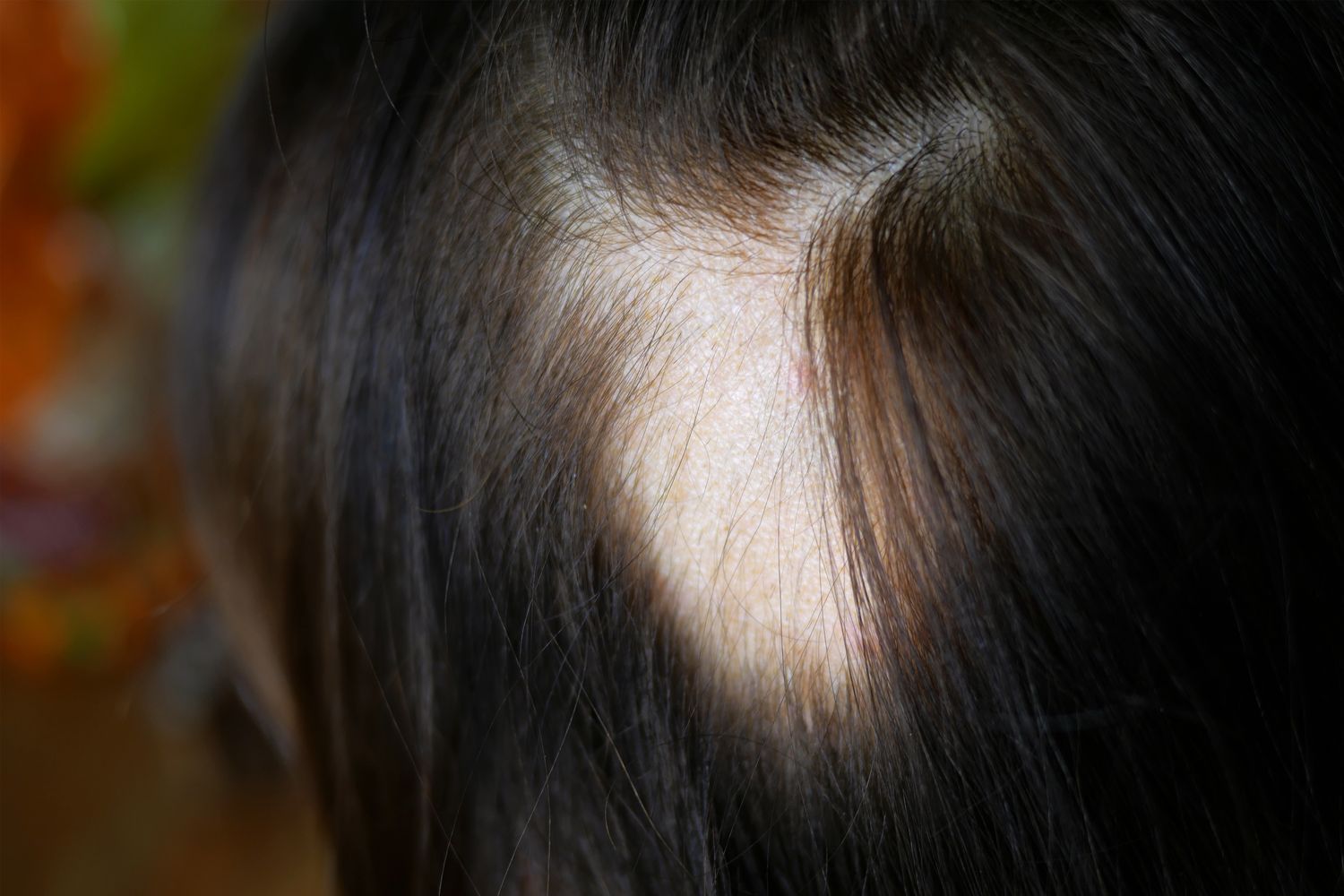
Alopecia areata — an immune condition that causes smooth, often round bald patches with no broken hairs. Trich patches usually have hairs of different lengths (older regrowth plus fresh stubble) and uneven edges. Skin doctors can usually tell them apart by looking; under magnification, trich typically shows broken hairs at different lengths.
Fungal infection of the scalp, hair loss from tight hairstyles, and shedding after stress or illness — all medical causes a GP or skin doctor can rule out.
OCD — if pulling is driven by unwanted thoughts or rules about symmetry, that may point to OCD rather than (or as well as) trich.
Body dysmorphic disorder — if you remove hair specifically to fix a flaw you see in your appearance, this may be the better-fitting diagnosis.
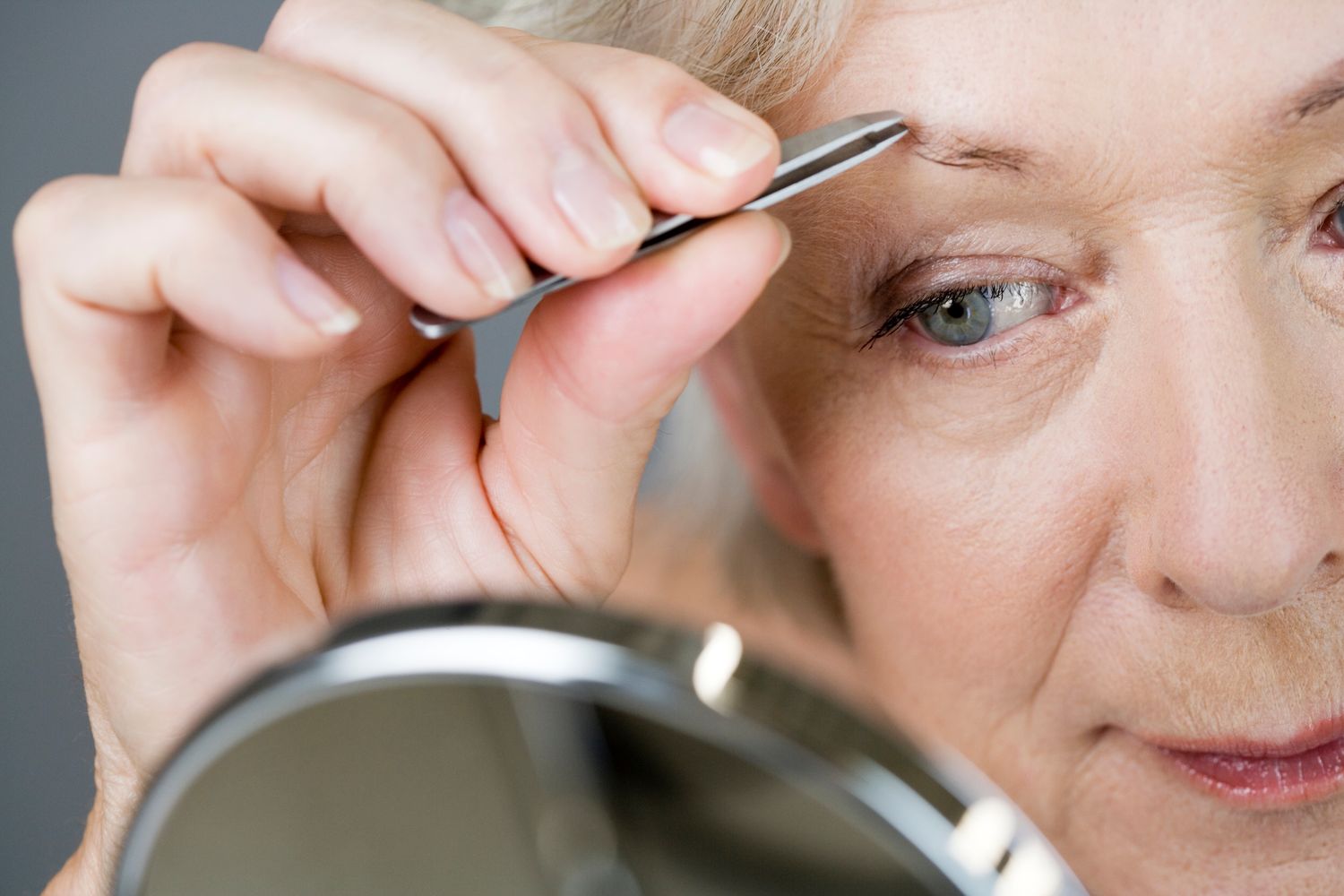
Normal grooming and tweezing. Plucking the odd stray brow hair is not a disorder. The line is crossed when you lose control, keep failing to stop, and feel distressed.
Skin-picking disorder — a close cousin that often comes with trich and responds to the same treatments.
How it affects real life
Trichotillomania is sometimes brushed off as just a looks problem. The research — and anyone who lives with it — says otherwise. The known effects include:
Time
Hours a week spent pulling, hiding it, and in front of the mirror.
Social life
Avoiding swimming, sport, windy weather, sleepovers, camping, festivals — anything that threatens the hiding routine. Some people turn down promotions, dates, or trips because of it.

Closeness and intimacy
Worry about a partner touching your hair, sex with the lights on, or telling them at all. Many people put off relationships or keep the condition secret for years.
Money
Wigs, hairpieces, extensions, brow products, lash sets, skin-doctor visits — a quiet, repeating cost that can add up to thousands.
Mental health
More anxiety and depression, and a heavy, wearing shame that many people say is worse than the hair loss itself.
The cost of secrecy
Maybe the deepest cost of all. Carrying a daily secret — from friends, partners, family — is exhausting, and the loneliness (“no one else does this”) makes everything above worse.
Naming these costs isn’t meant to scare you. It’s meant to show that seeking help makes sense. If any of this list is your life, that’s exactly the “distress or getting in the way” that the diagnosis describes — and exactly what treatment exists to undo.
Treatment: what actually works
Here is the encouraging summary of what treatment looks like:
Talking therapy is the first choice, with the best proof behind it. Habit Reversal Training and its newer versions have the strongest track record, with big improvements in careful studies.
No medication is officially approved just for trichotillomania, but that headline can mislead on its own. A few medicines — especially the two glutamate ones, N-acetylcysteine (NAC) and memantine — have helped in solid studies, and medication can be a useful part of a plan, especially alongside therapy or where therapy is hard to get.
Combining approaches (therapy + medication + practical tools + support from others) tends to work better than any one thing alone.
Recovery usually means “a lot less,” not “never again.” Many people get to zero pulling; many more get to rare and easy to manage, with hair fully grown back and their life back. Both count as success. Flare-ups during stress are a normal part of the condition, not failure — and people who've done therapy once usually pick the tools back up faster each time.
One thing worth knowing: the biggest problem in trich treatment isn’t that treatments don’t work — it’s that therapists trained in them are hard to find. Many therapists have never treated a BFRB. It’s worth traveling, using video therapy, or following a step-by-step self-help program based on the methods below, rather than sitting in general talk therapy that never deals with the pulling itself.
Our directory exists for exactly this problem.

Talking therapies, explained
Habit Reversal Training (HRT)
Strongest evidenceBuilt in the 1970s and improved since, HRT is the backbone of trich treatment. Its main parts:
Noticing training. You learn to spot, in fine detail, when, where, and how you pull: the places, the postures, the feelings just before, and the earliest links in the chain (elbow on desk → hand in hair → searching). Keeping a simple log helps, and so do apps and even wearable devices. For automatic pullers, just learning to notice often cuts pulling a lot — you can’t stop what you can’t see.
A competing action. The moment an urge hits, or at the first link of the chain, you do something your hands can’t pull during — classically, gently clenching your fists or pressing your palms onto your thighs for 60 seconds, or holding an object. This blocks the movement while the urge rises and passes.
Changing your surroundings. Setting things up so pulling is harder and less automatic: covering mirrors during risky hours, wearing gloves or finger covers in bed, keeping fidget toys at the desk and in the car, brighter lighting, a hat while watching TV.
Support from others. Asking a partner or friend, on your terms, to cheer on your practice — not to police your pulling (see section 22).
In studies, HRT-based therapy has produced big improvements. In plain terms, most people who do it get a lot better, and clearly better than people who get no treatment.
Comprehensive Behavioral Treatment (ComB)
Built by Charles Mansueto and colleagues, ComB starts from a simple idea: no two people’s trich runs on the same fuel. It looks at five areas — the feel of it, your thoughts, your emotions, the movement, and the place you’re in — and builds a plan aimed at your main drivers. A feel-driven puller might get textured fidget toys and scalp substitutes; an emotion-driven puller gets skills for handling feelings; an automatic puller gets barriers and noticing work. ComB is the standard among BFRB specialists.
ACT-based therapy
Acceptance and Commitment Therapy adds a key piece that HRT on its own is missing: what to do with the urge itself. Instead of fighting urges (which tends to make them stronger), ACT teaches you to “surf” the urge — watching it like a wave that peaks and passes without acting on it — plus stepping back from thoughts like “I’ve already ruined it, may as well keep going,” and reconnecting with the things you care about that pulling has crowded out. It works well and is more and more the default for adults who mostly do focused pulling.
DBT-based approaches
Add skills for handling strong emotions and getting through distress, for people whose pulling is tightly tied to how they feel.
What a course of treatment looks like. Usually 8 to 12 weekly sessions, with the real work happening between them in daily practice. You can often measure progress within a few weeks. Top-up sessions during later flare-ups are normal and smart.
Medication and supplements: the evidence
A clear look at the medication options, because this is the area where the internet is most full of both false hope and false despair:
N-acetylcysteine (NAC)
An over-the-counter supplement that acts on glutamate. In a key 2009 study, adults took 1,200–2,400 mg a day:
It’s cheap, easy to get, and usually well tolerated (mainly mild stomach upset). The catches: a later study in children and teenagers found no benefit over a dummy pill, the adult results haven’t always been repeated, and because it’s a supplement rather than a regulated medicine, quality can vary between brands.
The verdict: a reasonable, low-risk option for adults, ideally alongside therapy and with your doctor knowing you’re taking it.
Memantine
A glutamate medicine used for years in Alzheimer’s disease. In a careful 2023 study of 100 adults with trichotillomania or skin-picking disorder (10–20 mg a day):
It was well tolerated, and the size of the effect was in the same range as talking therapy — leading the study’s authors to suggest it could be considered as a first-choice medication, though it still needs to be tested again and over longer periods. Memantine needs a prescription and is used “off-label” for trich, so you’ll want a doctor who knows the research.
SSRIs (like fluoxetine or sertraline)
These are the medicines most often prescribed for trich, but studies show they don’t do much for the pulling itself. They still have a clear place when depression or anxiety comes along too — treating those can help indirectly — but an SSRI on its own isn’t a proven trich treatment. So if one didn’t stop your pulling, that’s the expected result, not your failure.
Others
Clomipramine and olanzapine have helped in small studies, but come with more side effects, so they tend to be later choices. Naltrexone, inositol, and some others have been tried with mixed or negative results.
The bottom line: if you’re drawn to medication, the current evidence points first to the glutamate ones — NAC as the easy, low-risk starting point, and memantine as the strongest recent result — prescribed or supervised by someone who knows the BFRB research, and paired with therapy where possible. Be wary of anyone selling a supplement “cure.” The real progress in this field makes the fake promises easier to spot.
Practical tools and self-help
None of these are cures, but stacked together — and especially on top of therapy — they cut pulling in a real way. Think of them as making pulling harder to do, and giving the same feeling through other channels.
Barriers and friction
- Gloves, finger covers, or bandages on your pulling fingers during risky times (TV, bed).
- Hats, buffs, or silk scarves; a soft beanie to sleep in for night-pullers.
- Fake nails or nail wraps — a surprisingly good classic, because they blunt the exact grip pulling needs.
- Covering or dimming mirrors during risky hours; some people get rid of magnifying mirrors altogether.
- Keeping tweezers out of easy reach (or out of the house) if tweezers are part of your pulling.
Feel substitutes
Match the substitute to what your pulling gives you:
- Fidget toys, spinner rings, worry stones, and tangle toys for busy hands.
- Textured things that copy the feeling you’re after: pulling seeds from a dried sunflower head, picking wax or dried glue off a surface (not skin), running fingertips over velcro.
- Scalp feelings through other routes: scalp massagers, firm brushing, or cooling/tingling scalp serums (mint or tea-tree), which can calm the “itchy patch” trigger.
- For mouth rituals: sugar-free gum, crunchy snacks, or chewable jewelry.
Surroundings and routine
- After a week of logging, pick your top three pulling situations, then redesign each one: a different chair, a “hands busy” rule for TV, phone out of the bedroom, both hands on the wheel when driving.
- Fix the single riskiest time of your day first, rather than trying to change everything at once.
Tracking and tech
- Habit-tracking apps or a simple tally counter build the awareness that automatic pulling wears away. Wearable devices that buzz when your hand moves toward your head (made specially for BFRBs) help some people a lot.
The inner game
- Practice urge surfing: when an urge hits, set a two-minute timer and watch the urge like weather — it rises and passes. Stretch the timer out over the weeks.
- Swap the after-pull spiral for a set reset: note what triggered it, change one thing, move on. Facts, not drama.
- Measure progress in pull-free hours and fewer hairs pulled, not perfection. Cutting pulling by 60% is a changed life.
Trichotillomania in children and teenagers

Very young children (roughly under 5). Hair pulling in babies, toddlers, and preschoolers is fairly common. It’s often paired with thumb-sucking or done while falling asleep, and usually it’s just self-soothing. This early kind often goes away on its own or with a gentle swap (a soft toy or textured comfort object for the hands, and dealing with the thumb-sucking too). It usually does not lead to trichotillomania later on, and there’s rarely cause for alarm — though it’s sensible to mention it to a pediatrician if it carries on or gets worse.
School-age children and teens. Starting around puberty is the classic pattern, and it deserves proper support — getting help early leads to better results, and visible hair loss is especially hard to deal with at this age. Key points for parents:
Talking therapy made for young people is the first choice, with parents as coaches rather than enforcers. The proof for medication in under-18s is much weaker (the NAC study in young people showed no benefit), so therapy leads.
Don't police, watch, or punish the pulling. Years of clinical experience are clear on this: watching and punishing add shame, drive the behavior underground, and make it worse. Your child can no more stop on command than they could stop a cough.
What does help: naming the condition plainly (“this is a real thing with a name, lots of people have it, it's not your fault, and some people know how to help”), working with your child on strategies they choose, quietly handling the logistics (talking to the school, finding a BFRB-trained therapist), and keeping home the one place where their hair is never examined.
School: a short, factual note to a teacher you trust can head off bullying and awkward questions — on the child's terms.
For a fuller walkthrough, see our guide: 16 things parents of children with trichotillomania need to know.
Will my hair grow back?
For most people, yes — and this deserves to be said plainly, because the fear of permanent damage causes both a lot of despair and, oddly, more pulling (through the shame it brings).
regrowth usually starts — the follicle begins a new growth cycle
you'll see the spot filling in
long styles fill back out
Hair follicles are tough and survive most pulling. Regrowth often comes in a different texture at first — finer, coarser, curlier, or lighter — and this usually settles down over the next cycles. Eyebrows and eyelashes grow back too, though brows can be slower.
One thing to be aware of: after many years of pulling from the same spot, some follicles can be permanently damaged or scarred, so the hair there may grow back patchy, thinner, or not at all. The risk goes up the longer and harder you’ve pulled, and with tweezer use. But this is a possibility, not a certainty — plenty of people grow their hair back fully after decades of pulling. It can work as motivation both ways: it’s a reason to get help sooner, and never a reason to decide you’re too late. A skin doctor can check the health of your follicles, and for the small number of people with lasting loss there are options, from treatments you put on the skin (like minoxidil, which supports regrowth) to cosmetic solutions.
Living with trichotillomania
Beyond formal treatment, here are a few things that people who live well with trich tend to land on:
Telling people, carefully.
You don't owe anyone your medical history. But most people find that telling one safe person — a partner, sibling, or best friend — pops the loneliness that trich feeds on. A simple script helps: “I have a condition called trichotillomania. It makes me pull out my hair. It's a recognized disorder, it's not self-harm, and the most helpful thing you can do is [X].” You decide what X is.
Hairdressers, done right.
Avoiding haircuts for years is common. Many people find a stylist they trust, tell them once (“I have a hair-pulling condition; you might see thin patches; I'd rather not talk about it in the chair”), and never dread it again. Some salons and stylists now say they're BFRB-friendly, and wig and hairpiece specialists who work with trich clients are easier to find these days.
Community.
For a condition that runs on secrecy, community is medicine. Support groups (in person and online), the IOCDF's annual conference — which carries dedicated BFRB programming — and moderated forums give people the experience, often for the first time, of a room where everyone already gets it. People often describe this as the turning point in their recovery.
Who you are.
You are not “someone who keeps failing to stop.” You're a person with a common condition, managing it. Plenty of people with trich run companies, raise families, perform on stage, and swim in public. The condition is one part of your life, not the frame around it.

How to support someone with trich

If someone you love pulls their hair, your instincts — watch them, remind them, move their hand away — are nearly all the wrong move. Here’s what actually helps:
The single most valuable thing you can offer is being one place in their life where their hair isn’t being watched. Shame is the fuel; you can simply choose not to add any.
Don’t
- ✗Say “stop it,” “you're doing it again,” or swat their hand. Every reminder lands as I'm watching you and you're failing, which triggers shame, which triggers pulling.
- ✗Inspect their hair, comment on patches, or check up on their progress unasked.
- ✗Call it vanity, a habit, or weak willpower. You now know it's none of those.
- ✗Make your love or approval depend on their hair growing back.
Do
- ✓Ask them what support they want, and trust the answer. Some people want an agreed gentle signal; many want it never mentioned. The person with trich holds the remote.
- ✓Learn about the condition yourself (this page counts) so they don't have to teach you while also managing it.
- ✓Help with the practical side: help find a BFRB-trained therapist, pay for the fidgets and barriers without comment, treat the tools as normal.
- ✓Praise effort and courage — going to therapy, telling you at all — rather than hair.
- ✓For partners: if pulling happens in bed next to you, talk about it once, kindly, outside the moment — ask whether they'd like any agreed response, and respect a “no.”
Myths and facts
✗ Trichotillomania is very rare.
✓ It affects 1 to 2 people in every 100 — millions worldwide. It's rarely talked about, not rarely had.
✗ It's a form of self-harm.
✓ The aim isn't to cause pain. Pulling is a compulsive, often soothing behavior, and the hair loss is an unwanted side effect.
✗ People could stop if they really wanted to.
✓ The urges come from the brain, and nearly everyone with trich has tried hard to stop. The willpower idea isn't just wrong, it's harmful.
✗ It's caused by trauma or bad parenting.
✓ There's no single cause. Genes and brain wiring are central, with stress as one possible push. Many people with trich have no trauma at all.
✗ It only affects women.
✓ Public surveys show a much smaller gap than clinics do. Men are underdiagnosed, partly because shaving hides it.
✗ The hair never grows back.
✓ For most people it does. Only long-term pulling risks lasting damage — and even then, often only in part.
✗ It's just a bad habit like nail biting.
✓ It's a recognized diagnosis with its own treatments — and severe nail biting is itself a BFRB, not trivial either.
✗ Pointing it out helps the person stop.
✓ Watching reliably adds shame and more pulling. Ask what helps; don't assume.
✗ There's no treatment.
✓ Habit-reversal therapies have strong proof, and the glutamate medicines (NAC, memantine) have good study results.
Common questions
Is trichotillomania a type of OCD?›
It sits next to OCD in the manuals and shares some family links, but it's its own condition. Trich pulling usually isn't driven by unwanted thoughts, it often feels good rather than dreadful, and it responds to different therapy (habit reversal rather than the usual OCD treatment).
Is it an anxiety disorder?›
No, though anxiety often comes with it, and stress often makes pulling worse. Plenty of pulling happens when people are calm, bored, or absorbed in something.
Can trichotillomania be cured?›
“Cure” is the wrong word for most people. “Managed so well it barely features in your life” is realistic and common. Some people do stop completely and for good. Flare-ups under stress are normal and respond to picking the same tools back up.
I only pull my eyelashes / eyebrows / body hair — is that still trich?›
Yes. Any spot on the body counts; the scalp is just the most common.
I don't have bald patches — do I still count?›
Yes. The diagnosis needs hair loss from pulling, not visible patches, and hiding it is almost universal. Distress plus failed attempts to stop is the heart of it.
Is hair pulling linked to skin picking and nail biting?›
Closely — they're all body-focused repetitive behaviors, they run together in the same people and families, and they respond to the same kinds of treatment.
Does trichotillomania affect intelligence, or mean something is “wrong with my brain”?›
It has nothing to do with intelligence. The brain differences involved are specific to habit and “braking” systems — a bit like saying a migraine brain handles certain signals differently. Real, physical, and no reflection on your mind or your character.
What kind of doctor should I see first?›
Any starting point works: a GP for a referral and to rule out skin causes, or straight to a psychologist or therapist — ideally one who works with BFRBs (our directory is a good place to start). If a doctor seems unfamiliar with trich, ask to be referred to someone who treats BFRBs rather than settling for general advice.
Is trichotillomania passed down? Will my children have it?›
There's an inherited part, so children of a parent with a BFRB have a somewhat higher chance — but most won't get it, and if one does, you'll be the best-placed parent to spot it early and respond well.
Where to find help
The International OCD Foundation (IOCDF) (iocdf.org) — now the leading international home for BFRBs, carrying forward the TLC Foundation's 35-year mission: a directory of trained providers, support groups, research updates, and an annual conference with dedicated BFRB programming attended by hundreds of people with lived experience.
Your GP or family doctor — for a diagnosis, a referral, ruling out skin causes, and talking through medication.
BFRB-trained therapists — our directory lists therapists and counselors who understand trichotillomania, searchable by location; provider lists from the IOCDF cover Habit Reversal Training, ComB, and ACT-based therapy too. Video therapy has made specialists reachable from almost anywhere.
Peer support communities — moderated online groups and local support groups cut the loneliness that keeps the condition going. (Groups focused on recovery and strategy tend to help more than venting-only ones.)
Books — often-recommended titles include The Hair-Pulling Problem by Fred Penzel and Help for Hair Pullers by Nancy Keuthen and colleagues; for parents, Stay Out of My Hair! by Golomb and Vavrichek.

If you do one thing after reading this page…
…make it one of these: tell one safe person, book one appointment, or find one community. Trichotillomania runs on secrecy and shame; every one of those actions cuts off its fuel.
Medical note: This page is for general information and learning. It is not a substitute for professional medical advice, diagnosis, or treatment, and decisions about treatment — especially medication — should always be made with a qualified health professional. If you’re worried about hair pulling, your own or someone else’s, please talk to a doctor or mental health professional.