
Trichotillomania Support in Singapore
Find a therapist in Singapore who understands trichotillomania. Whether you pull your own hair or you’re supporting a child or someone you love, search by neighbourhood for someone near you, or choose Online to see who works with people anywhere in Singapore.
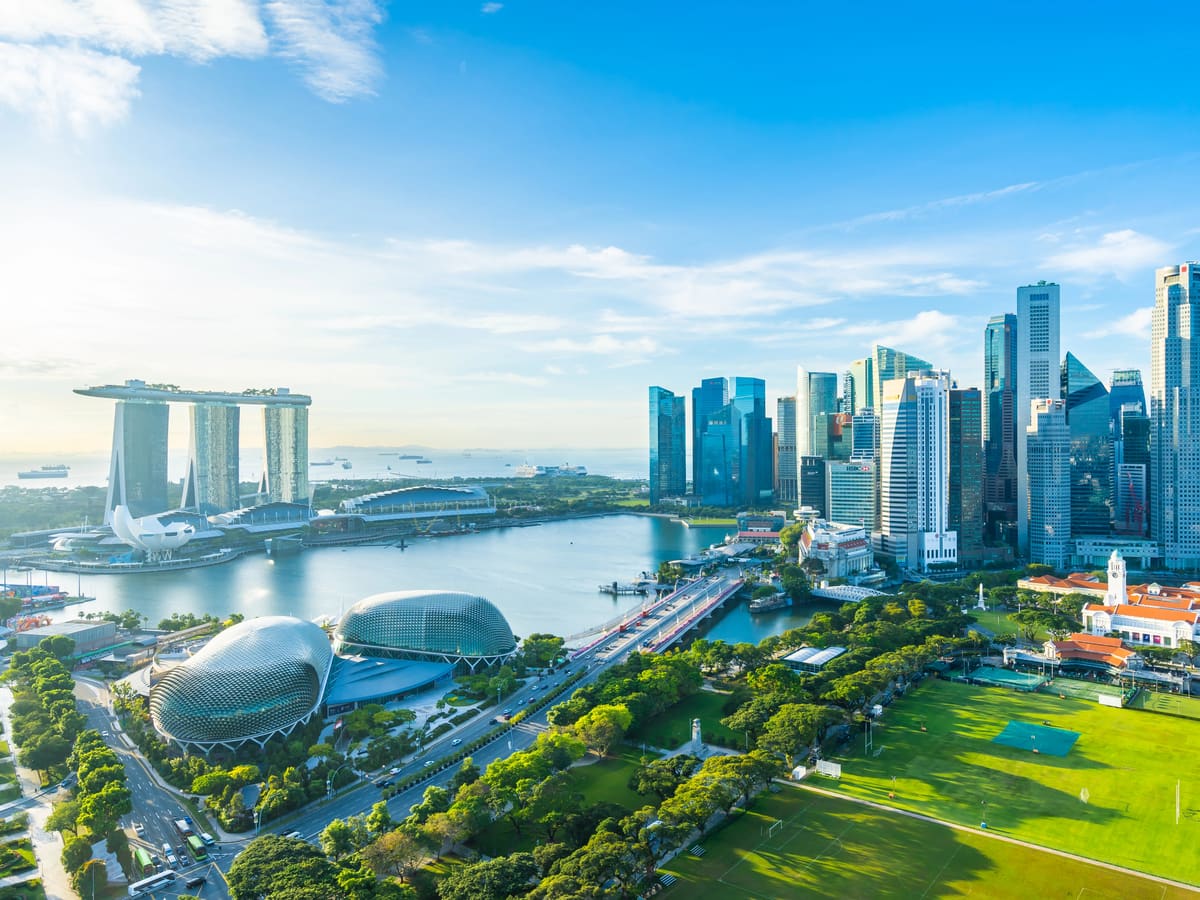
Find a therapist for trichotillomania in Singapore
Most therapists in Singapore have never met someone who pulls their hair. It isn’t something they learn about in training, so people often end up explaining their own condition to a professional who has never heard of it. It’s the reason this directory exists: everyone listed has told us they understand hair pulling and already help people who pull.
You’ll find psychologists, counsellors, psychotherapists, psychiatrists, occupational therapists, hypnotherapists, EFT practitioners, NLP practitioners and coaches. Each listing explains how that person works, whether they see people in person, online or both, and what they charge. You can search anywhere from Woodlands to the CBD and from Jurong to Tampines, or work with someone online from home.
We’re building the directory for Singapore.
Keep updated as we’re a new directory actively seeking new trich-aware therapists to join.
See practitioners who work online →Tell me when a practitioner lists in Singapore
Frequently Asked Questions about Trichotillomania in Singapore
Find a TherapistHow do I find a trichotillomania therapist near me in Singapore?›
Search by neighbourhood at the top of this page, or choose Online to see everyone who works with people anywhere in Singapore. Everyone listed has told us they understand hair pulling, and each listing shows how they work and what they charge.
Can I have sessions online from anywhere in Singapore?›
Yes. Anyone listed who offers online sessions can work with you wherever you live in Singapore. Many people choose online for privacy, and to save a trip across the island after work or school.
How much does trichotillomania therapy cost in Singapore?›
Most private sessions cost S$120 to S$300, and around S$200 is typical. Senior clinicians can charge more. Every listing shows its own prices, and many people offer a free first call.
What kinds of help are there for hair pulling?›
People work with psychologists, counsellors, psychotherapists, psychiatrists, occupational therapists, hypnotherapists, EFT practitioners, NLP practitioners and coaches. Different people find different things helpful. What everyone on this site shares is that they understand hair pulling.
Do I need a GP referral or a diagnosis?›
No. You can contact anyone listed directly, without a doctor’s note or a diagnosis. Just send a message through their listing.
My child pulls their hair. What do I do first?›
Stay steady, and try not to tell them off, because that reliably makes pulling worse. Start with The Parent’s Guide to Trichotillomania, then look for someone listed who works with children and teens.
Are there support groups in Singapore?›
In-person groups for hair pulling are still rare in Singapore. Most people join online groups listed by the International OCD Foundation, or an online forum they can use at any hour. If you run a group, tell us and we’ll list it for free.
How common is hair pulling in Singapore?›
Trichotillomania affects about 1 in 50 people (an estimated 1–2%), so tens of thousands of people in Singapore are likely to pull. It’s a body-focused repetitive behaviour recognised in the DSM-5 and ICD-10 (F63.3). It usually starts around ages 10–13, and it isn’t a bad habit, self-harm or a lack of willpower. Our complete guide has more.
Can I get subsidised help through the public system in Singapore?›
Citizens and permanent residents can ask a polyclinic doctor for a referral to subsidised sessions at the Institute of Mental Health or a public hospital. Waits can run to weeks and you usually can’t choose who you see, so many people contact someone in the directory while they wait.
How to get in touch with a therapist
You can message anyone listed right now. You don’t need a doctor’s note or a diagnosis. Every listing has a private contact form, and most explain how the person works, what sessions cost, and whether they offer a free first call.
Singapore is small, and anyone listed who works online can see you wherever you live on the island. For most people here, choosing online is less about distance and more about privacy and time: no trip across the island after work, and no waiting room. There are no regional licensing limits in Singapore, and hypnotherapists, EFT practitioners and coaches can work online just as freely as clinicians.
What therapy costs in Singapore
Most private sessions in Singapore cost S$120 to S$300, and around S$200 is typical. Senior psychologists and psychiatrists, often based in central clinics around Orchard and Novena, can charge more. Every listing shows its own prices, so there are no surprises.
Standard health insurance often leaves out talk therapy, but some employer flexi-benefits and outpatient riders pay part of the cost for some practitioner types. Ask your insurer or HR team, and the person you contact. Many people listed offer a free first call, so you can see if it feels right before you pay anything.
How to check someone is qualified
Some titles in Singapore are protected by law. Doctors, including psychiatrists, must be registered with the Singapore Medical Council, and occupational therapists with the Allied Health Professions Council. You can check both for free with the Ministry of Health’s professional search.
Psychology isn’t regulated by the government yet, though the Ministry of Health has said registration for psychologists will become mandatory. For now, many psychologists join the voluntary Singapore Register of Psychologists, and many counsellors join the Singapore Association for Counselling register. These are optional ways to check, if they help you feel sure. Many good kinds of help, such as hypnotherapy, EFT and coaching, aren’t regulated by the state at all and belong to their own professional associations.
Everyone on this site has one thing in common: they’ve told us they understand hair pulling. On a first call, you can ask:
- “Have you helped people who pull their hair before?”
- “How do you work? What happens in the first few sessions?”
- “What if I feel it isn’t right for me?”
Charities and groups in Singapore
Singapore doesn’t have a charity just for hair pulling or other BFRBs (body-focused repetitive behaviours) yet. These organisations can still help.
International OCD Foundation
Now the main international home for hair pulling and skin picking support, after taking over the work of the TLC Foundation for BFRBs. Its hair pulling pages, events and online groups are open to anyone, wherever they live.
OCD Network Singapore
A Singapore non-profit, started in 2018, for people living with OCD and related conditions, their families and professionals. Hair pulling is classed as an OCD-related condition, and the network runs community events and professional training here.
Singapore Association for Mental Health (SAMH)
One of Singapore’s longest-running mental health charities, offering counselling across its centres and a toll-free helpline on 1800-283-7019.
national mindline 1771
The Ministry of Health’s confidential mental health line. Call 1771 or WhatsApp 6669 1771, day or night, to talk to a trained counsellor. You don’t need a diagnosis or a referral.
Samaritans of Singapore (SOS)
If you’re in crisis or thinking about suicide, call 1767 or text CareText on WhatsApp at 9151 1767, 24 hours a day. In an emergency, call 995.
Support groups in Singapore
Meeting others who pull can make a real difference, because most people who pull have never knowingly met someone else who does.
- IOCDF hair pulling groups: the IOCDF directory lists groups that meet online. Most run on US or UK time, so check the time in Singapore before you join.
- My BFRB community on HealthUnlocked: an online forum linked from IOCDF’s BFRB pages, where you can post and reply at any hour.
- OCD Network Singapore: keep an eye on its events page for local meet-ups on OCD and related conditions.
In Singapore, most groups meet online right now, and in-person groups for hair pulling are still rare. Do you run a group? Tell us and we’ll list it for free.
For parents: The Parent’s Guide to Trichotillomania walks you through the first weeks after you find out your child pulls.
Public and subsidised options
If you’re a Singapore citizen or permanent resident, a polyclinic doctor can refer you for subsidised sessions at the Institute of Mental Health or a public hospital. Waits can run to weeks, and you usually can’t choose someone who understands hair pulling, so many people contact someone in the directory while they wait.
About this page
Sources: International OCD Foundation; OCD Network Singapore; Singapore Association for Mental Health; national mindline 1771 (Ministry of Health); Samaritans of Singapore; Singapore Medical Council and Allied Health Professions Council, via the Ministry of Health’s professional search; Singapore Psychological Society (Singapore Register of Psychologists); Singapore Association for Counselling; published 2026 session fees from Singapore private practices and cost guides.
Things change. We check this page often, but always check prices and qualifications with the person you contact. This page is information, not medical advice.
Are you a Singapore therapist or practitioner who works with trichotillomania?
Be found by people looking for help with hair pulling across Singapore, in person or online.